الأخبارمحرر الموقعموقع/uploads/image/694e24f48271f.pngتُمكّن تقنية التعبئة المعقمة المصنّعين من إنتاج عصائر آمنة تدوم لفترة طويلة مع الحفاظ على النكهة واللون والقيمة الغذائية. يشرح هذا الدليل آلية عمل التعبئة المعقمة، ومزاياها الرئيسية، وكيفية اختيار آلة تعبئة العصائر المناسبة لاحتياجات إنتاجك.
دليل شامل لآلات تعبئة العصائر المعقمة للمشروبات ذات فترة الصلاحية الطويلة
المشاهدات: 702كاتب: محرر الموقعوقت النشر: 2026-03-30الأصل: موقع
في سوق المشروبات التنافسي اليوم، أصبحت مدة صلاحية المنتج وجودته وسلامته أكثر أهمية من أي وقت مضى. يطالب المستهلكون بمنتجات عصائر طازجة المذاق مع الحد الأدنى من المواد الحافظة، بينما يسعى المصنّعون إلى توسيع نطاق التوزيع ليشمل مناطق أوسع دون الاعتماد على الخدمات اللوجستية لسلسلة التبريد.
لا تزال طرق التعبئة التقليدية، مثل التعبئة الساخنة، مستخدمة على نطاق واسع، ولكنها تعاني من قيود فيما يتعلق بتنوع المنتجات واستهلاك الطاقة. ونتيجة لذلك، يتجه المزيد من منتجي المشروبات إلى التعبئة المعقمة. ماكينات تعبئة العصير كحل عصري لإنتاج مشروبات عالية الجودة ذات صلاحية طويلة.
تُمكّن تقنية التعبئة المعقمة المصنّعين من إنتاج عصائر آمنة تدوم لفترة طويلة مع الحفاظ على النكهة واللون والقيمة الغذائية. يشرح هذا الدليل آلية عمل التعبئة المعقمة، ومزاياها الرئيسية، وكيفية اختيار آلة تعبئة العصائر المناسبة لاحتياجات إنتاجك.
ما هي آلة تعبئة العصائر المعقمة؟
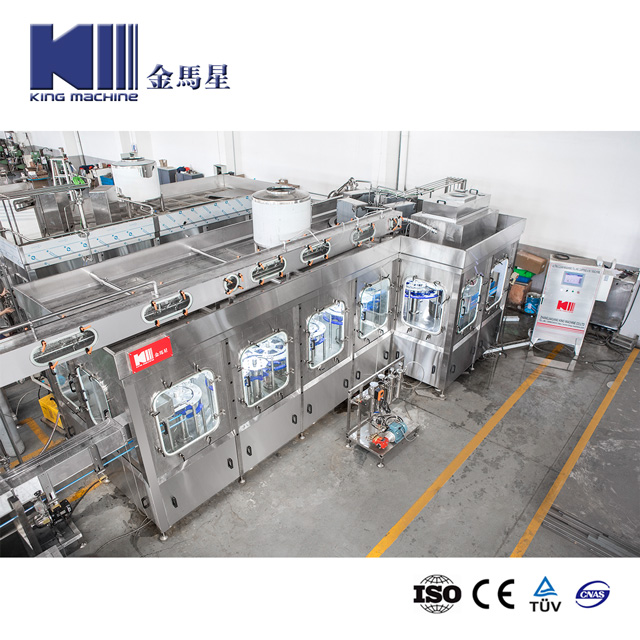
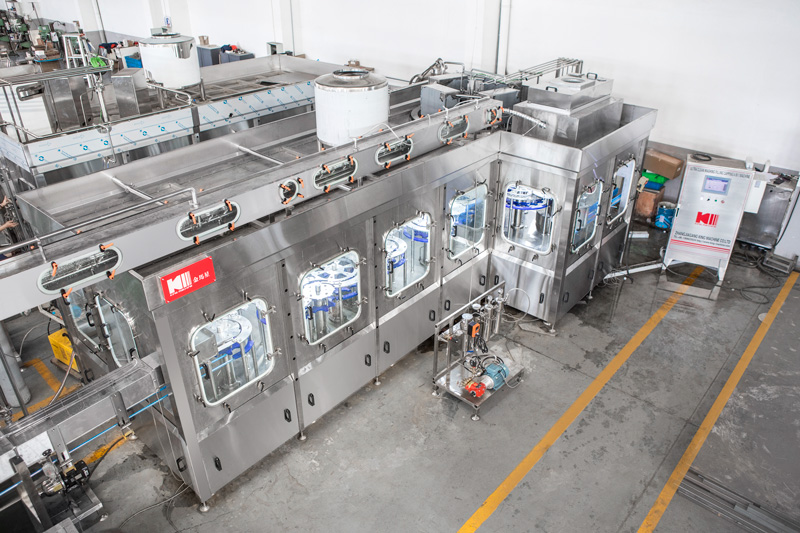
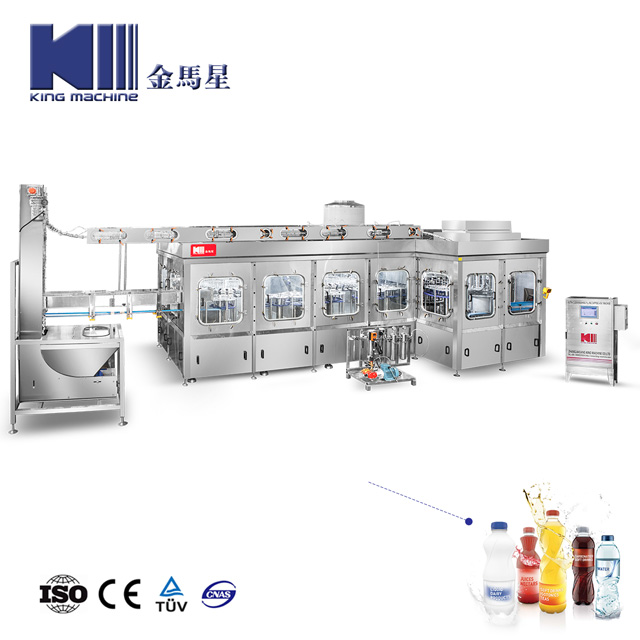
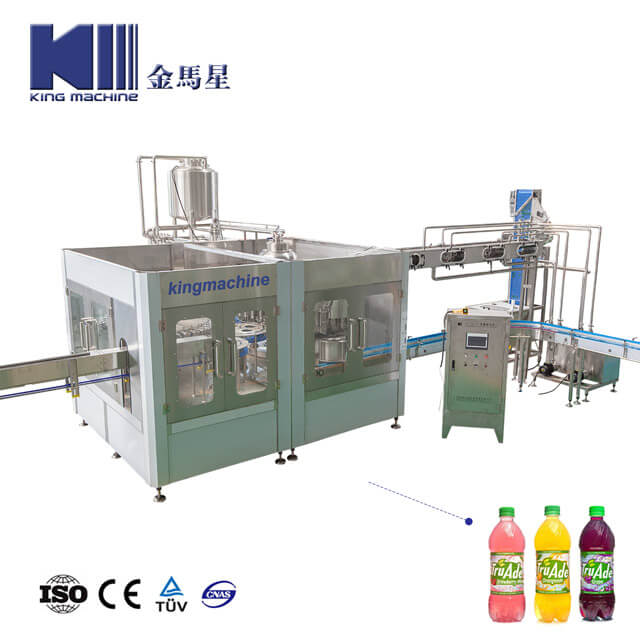
An آلة تعبئة العصير المعقم هو نظام متخصص مصمم لتعبئة المنتجات السائلة المعقمة في عبوات معقمة مسبقًا في بيئة معقمة. وعلى عكس أنظمة التعبئة التقليدية، تضمن تقنية التعقيم بقاء كل من المنتج والتغليف خاليين من الكائنات الدقيقة طوال العملية برمتها.
يكمن الاختلاف الرئيسي بين التعبئة المعقمة وطرق التعبئة التقليدية في فصل مرحلتي التعقيم والتعبئة. في الأنظمة المعقمة:
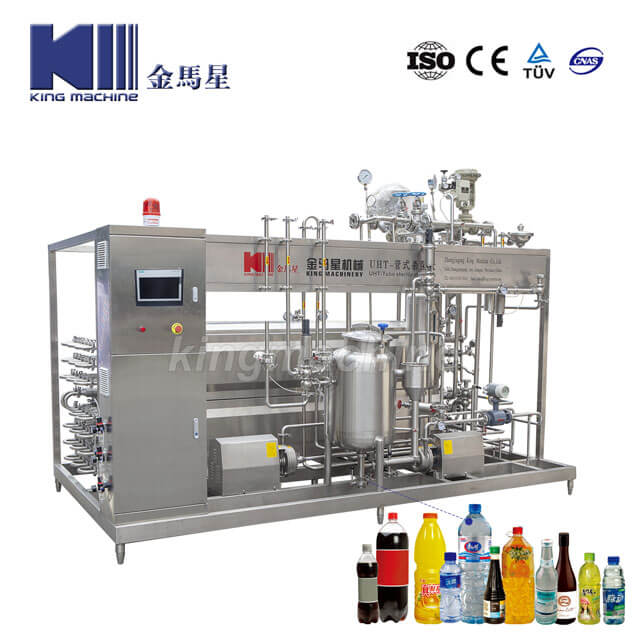
يتم تعقيم المنتج باستخدام طرق متقدمة مثل المعالجة بدرجة حرارة فائقة الارتفاع (UHT).
يتم تعقيم الزجاجات والأغطية بشكل منفصل
تتم عملية التعبئة في بيئة معقمة خاضعة للرقابة الكاملة
تتيح هذه العملية للمشروبات تحقيق فترة صلاحية أطول دون استخدام مواد حافظة، مما يجعل التعبئة المعقمة حلاً أساسياً لإنتاج العصائر الحديثة.
كيف تعمل آلات تعبئة العصائر المعقمة
تعقيم المنتج (عملية المعالجة الحرارية الفائقة)
تبدأ عملية التعقيم بتعقيم العصير باستخدام المعالجة بدرجة حرارة فائقة الارتفاع (UHT)يتم تسخين المنتج إلى درجة حرارة عالية لفترة قصيرة جدًا للقضاء على البكتيريا والكائنات الدقيقة، ثم يتم تبريده بسرعة.
وتضمن هذه العملية:
السلامة الميكروبية
الحفاظ على المذاق والقيمة الغذائية
الحد الأدنى من الضرر الحراري للمنتج
تعقيم العبوات
إضافةً إلى تعقيم المنتج، يجب أن تكون العبوة معقمة أيضاً. ويشمل ذلك ما يلي:
تعقيم الزجاجات، غالباً باستخدام بيروكسيد الهيدروجين (H₂O₂) أو طرق التعقيم الجاف
تعقيم الغطاء، لضمان عدم دخول أي تلوث إلى مكونات الإغلاق
تُعد هذه الخطوة بالغة الأهمية للحفاظ على بيئة معقمة تمامًا طوال عملية التعبئة.
بيئة تعبئة معقمة
تتم عملية التعبئة المعقمة داخل حجرة معقمة مغلقة. ويتم الحفاظ على هذه البيئة باستخدام:
أنظمة الهواء المفلترة بفلتر HEPA
الضغط الإيجابي لمنع التلوث
مراقبة صارمة للنظافة
تعمل المنطقة المعقمة على عزل منطقة التعبئة عن التلوث الخارجي، مما يضمن سلامة المنتج أثناء التشغيل.
عملية التعبئة والتغليف
بعد تعقيم كل من المنتج والتغليف، تقوم آلة تعبئة العصير بالتعبئة في درجة حرارة الغرفة. تُملأ الزجاجات وتُغلق فوراً لمنع تعرضها للملوثات.
تتيح هذه العملية للمصنعين إنتاج مشروبات عالية الجودة ذات فترة صلاحية طويلة، دون الحاجة إلى مواد حافظة أو تبريد.
المكونات الرئيسية لخط تعبئة معقم
يشتمل نظام تعبئة العصير المعقم الكامل على عدة مكونات متكاملة تعمل معًا:
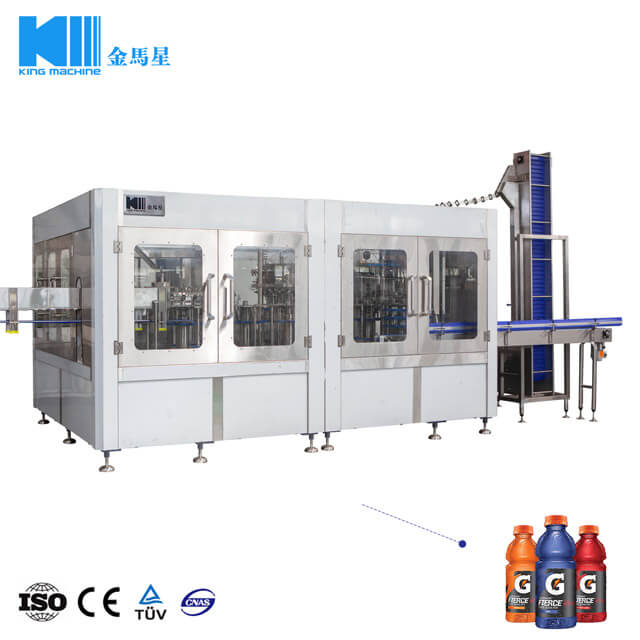
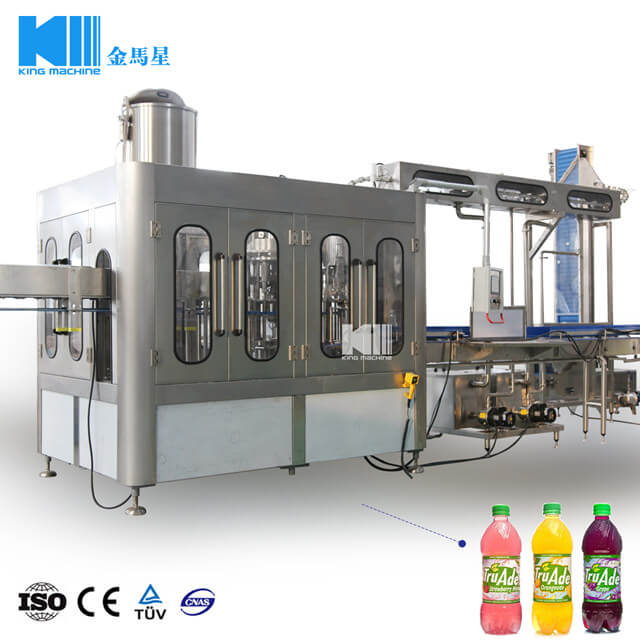
آلة تعبئة العصائر المعقمة – معدات أساسية للتعبئة والإغلاق المعقمين
معقم بتقنية UHT - يضمن تعقيم المنتج
خزان عازل معقم – يحافظ على التخزين المعقم قبل التعبئة
نظام نفخ الزجاجات – يُستخدم لإنتاج زجاجات البولي إيثيلين تيريفثالات (في خطوط متكاملة)
نظام التنظيف في المكان (CIP) - يتيح التنظيف التلقائي
نظام التعقيم في الموقع (SIP) - يضمن تعقيم المعدات
تشكل هذه المكونات نظامًا أوتوماتيكيًا كاملاً حلول لماكينات تعبئة العصير قادرة على تقديم إنتاج متسق وصحي.
مزايا آلات تعبئة العصير المعقمة
مدة صلاحية طويلة بدون مواد حافظة
من أهم مزايا التعبئة المعقمة قدرتها على إطالة مدة صلاحية المنتج. يمكن تخزين العصير المعالج بشكل صحيح لعدة أشهر دون تبريد أو مواد حافظة، مما يجعله مثالياً للتوزيع والتصدير على نطاق واسع.
جودة منتج أفضل واحتفاظ أفضل بالعناصر الغذائية
لأن التعبئة المعقمة تقلل من التعرض للحرارة بعد التعقيم، فإنها تساعد في الحفاظ على:
نكهة طبيعية
لون
القيمة الغذائية
يُعد هذا الأمر بالغ الأهمية بالنسبة لمنتجات العصائر الفاخرة حيث تُعتبر الجودة نقطة بيع رئيسية.
خيارات التعبئة والتغليف المرنة
بخلاف أنظمة التعبئة الساخنة، تسمح التعبئة المعقمة باستخدام زجاجات PET خفيفة الوزن وغيرها من أشكال التغليف. وهذا يقلل من تكاليف المواد ويحسن كفاءة النقل.
انخفاض استهلاك الطاقة
على الرغم من أن الأنظمة المعقمة تتطلب تكنولوجيا متقدمة، إلا أنها غالباً ما تقلل من استهلاك الطاقة الإجمالي عن طريق إلغاء الحاجة إلى دورات التسخين والتبريد المطولة المستخدمة في عمليات التعبئة الساخنة.
مجموعة واسعة من التطبيقات
تتميز آلات تعبئة العصائر المعقمة بتعدد استخداماتها ويمكن استخدامها في:
عصائر الفاكهة مثل عصير المانجو والعصير المختلط
المشروبات التي تحتوي على منتجات الألبان مثل الحليب ومشروبات القهوة
المشروبات الوظيفية والنباتية
هذه المرونة تجعل الأنظمة المعقمة استثمارًا قيّمًا لإنتاج المشروبات المتنوعة.
التعبئة المعقمة مقابل التعبئة الساخنة: الاختلافات الرئيسية
من الأسئلة الشائعة التي يطرحها مصنعو المشروبات ما إذا كان ينبغي اختيار التعبئة المعقمة أو حشوة ساخنة.
تشمل الاختلافات الرئيسية ما يلي:
درجة الحرارة: تتم عملية التعبئة المعقمة في درجة حرارة الغرفة، بينما تستخدم عملية التعبئة الساخنة درجات حرارة عالية.
نطاق المنتجات: تتعامل الأنظمة المعقمة مع المشروبات منخفضة الحموضة وعالية الحموضة، في حين أن التعبئة الساخنة مناسبة بشكل أساسي للمنتجات عالية الحموضة.
مدة الصلاحية: التعبئة المعقمة توفر مدة صلاحية أطول.
نوع الزجاجة: تدعم الأنظمة المعقمة الزجاجات خفيفة الوزن، بينما تتطلب عملية التعبئة الساخنة حاويات مقاومة للحرارة.
الاستثمار: تتطلب الأنظمة المعقمة عادةً استثمارًا أوليًا أعلى، لكنها توفر مرونة أكبر وقيمة طويلة الأجل.
يساعد فهم هذه الاختلافات المصنّعين على اختيار التكنولوجيا الأنسب لأهدافهم الإنتاجية.
تطبيقات آلات تعبئة العصائر المعقمة
تُستخدم تقنية التعبئة المعقمة على نطاق واسع في إنتاج المشروبات الحديثة، بما في ذلك:
إنتاج عصائر الفاكهة (عصير المانجو، عصير البرتقال، العصير المختلط)
المشروبات المصنوعة من منتجات الألبان مثل الحليب ومشروبات القهوة
المشروبات الوظيفية بما في ذلك مشروبات الفيتامينات والمنتجات النباتية
إنتاج موجه للتصدير، حيث تعتبر فترة الصلاحية الطويلة أمراً أساسياً.
مع تزايد الطلب العالمي على المشروبات التي لا تحتاج إلى تبريد، أصبحت أنظمة التعبئة المعقمة ذات أهمية متزايدة في صناعة المشروبات.
كيفية اختيار آلة تعبئة العصائر المعقمة المناسبة
يتطلب اختيار آلة تعبئة العصير المعقمة المناسبة دراسة متأنية لعدة عوامل.
قدرة الإنتاج
حدد الإنتاج المطلوب بالزجاجات في الساعة (BPH) بناءً على الطلب الحالي وخطط التوسع المستقبلية.
نوع الزجاجة وحجمها
ضع في اعتبارك نوع التغليف الذي ستستخدمه، مثل زجاجات البولي إيثيلين تيريفثالات (PET)، أو الزجاج، أو الكرتون. صُممت آلات مختلفة لتناسب أنواع التغليف المختلفة.
مستوى الأتمتة
توفر آلات تعبئة العصائر الأوتوماتيكية الحديثة أتمتة كاملة، مما يقلل من تكاليف العمالة ويحسن كفاءة الإنتاج.
تكنولوجيا التعقيم
تقييم أساليب التعقيم المستخدمة لكل من المنتج والتغليف لضمان الجودة والسلامة المتسقة.
خبرة ودعم الشركة المصنعة
يُعد اختيار مورد ذي خبرة أمرًا بالغ الأهمية. يوفر المصنّع الموثوق ما يلي:
أداء المعدات المستقر
دعم فني
خدمات التركيب والتدريب
توافر قطع الغيار
وهذا يضمن التشغيل السلس والموثوقية طويلة الأمد لخط التعبئة الخاص بك.
خاتمة
تُمثل آلات تعبئة العصائر المعقمة حلاً عصرياً وفعالاً وعالي الجودة لإنتاج مشروبات تدوم لفترة طويلة. فمن خلال الجمع بين تقنية التعقيم المتقدمة وبيئات التعبئة المُتحكم بها، تُمكّن هذه الأنظمة المصنّعين من تقديم منتجات آمنة وطازجة وعالية الجودة خالية من المواد الحافظة.
من تحسين جودة المنتج إلى مرونة التغليف وإطالة مدة الصلاحية، توفر التعبئة المعقمة مزايا كبيرة مقارنةً بالطرق التقليدية. بالنسبة لمصنعي المشروبات الذين يتطلعون إلى التوسع في أسواق جديدة وتعزيز قيمة منتجاتهم، يُعد الاستثمار في نظام التعبئة المعقمة قرارًا استراتيجيًا.
بفضل خبرتها الواسعة في تصنيع معدات المشروبات، تقدم شركة كينج ماشين حلولاً متطورة لآلات تعبئة العصائر المعقمة، مصممة خصيصاً لتلبية احتياجات الإنتاج المختلفة. آلة تعبئة العصير الكاملة من خلال أنظمة خطوط الإنتاج المتكاملة، تدعم شركة King Machine منتجي المشروبات في جميع أنحاء العالم لتحقيق عمليات فعالة وموثوقة وعالية الجودة.