The beverage industry is facing increasing demands for higher efficiency, strict food safety standards, lower operating costs, and more flexible packaging solutions. Manufacturers need advanced technologies to improve production performance and meet changing market requirements.
Traditional PET bottling lines use separate machines for blowing, conveying, filling, and capping, which require more space, increase contamination risks, and create complex operation and maintenance challenges.
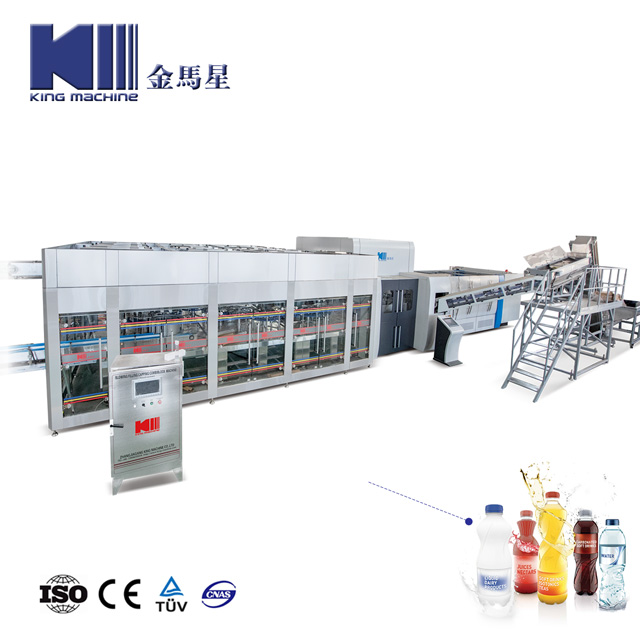
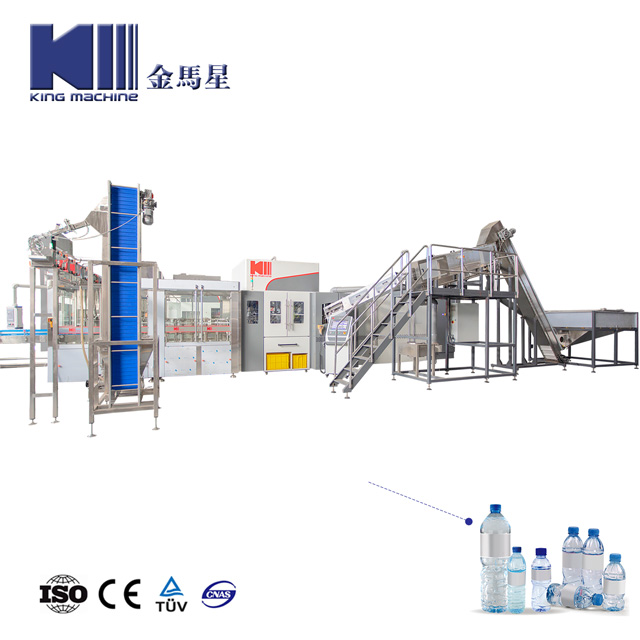
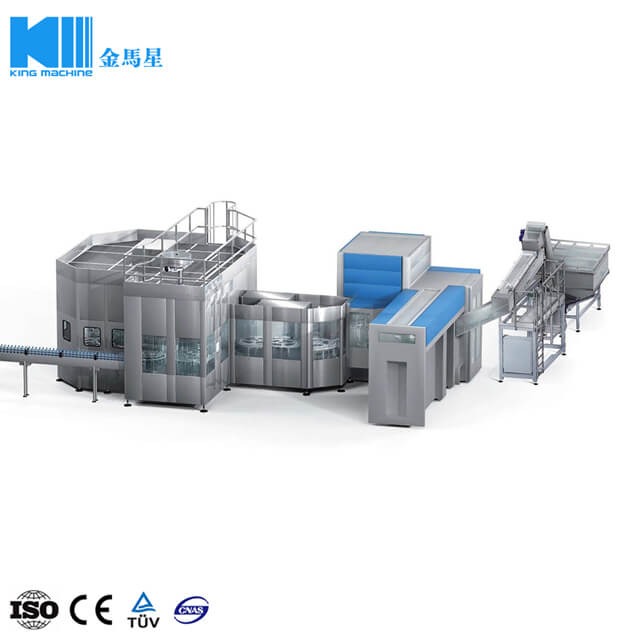
A Combiblock filling system integrates bottle blowing, filling, and capping into one synchronized unit. This article explores 10 key benefits of using a Combiblock filling system for modern beverage production.
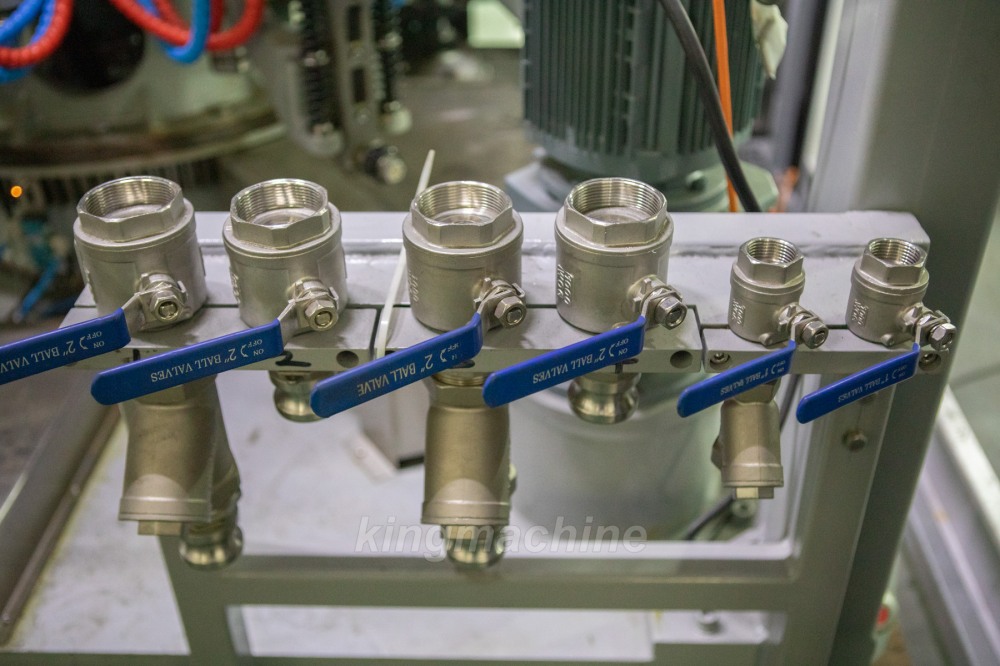
1. What Is a Combiblock Filling System?
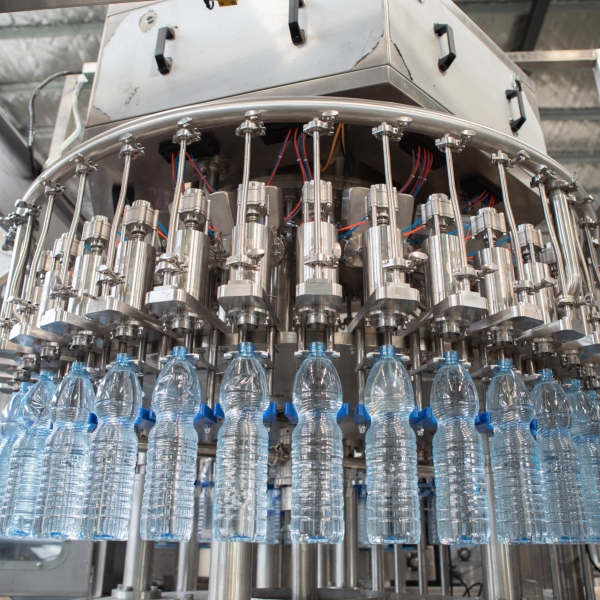
Combiblock filling systems are integrated beverage production solutions that combine multiple processes into one machine platform. It usually includes preform heating, stretch blow molding, filling, and capping. PET preforms are heated and transformed into bottles through stretch blow molding, then directly filled with products such as drinking water, carbonated beverages, juice, and functional drinks before automatic capping.
Compared with traditional PET bottling lines, a Combiblock system simplifies the production process by integrating multiple machines into a synchronized unit.
Traditional PET Bottling Line | Combiblock Filling System |
Separate machines for each process | Integrated blowing, filling, and capping unit |
Long conveyor systems | Direct bottle transfer |
More operators required | Higher automation level |
Larger installation footprint | Compact production layout |
More transfer points and risks | Improved hygiene control |
This integrated design helps beverage manufacturers achieve higher efficiency, better product safety, and more reliable production performance.
2. Ten Key Benefits of Using a Combiblock Filling System
2.1 Reduced Production Space and Factory Investment
A water filling line integrates bottle blowing, filling, and capping into one compact unit, reducing production footprint. It simplifies factory layout and lowers installation requirements for new and existing beverage plants.
2.2 Improved Hygiene and Reduced Contamination Risk
Direct transfer from blowing to filling minimizes bottle exposure to dust, microorganisms, and manual handling. The closed production environment provides better hygiene control for bottled water, mineral water, and premium beverages.
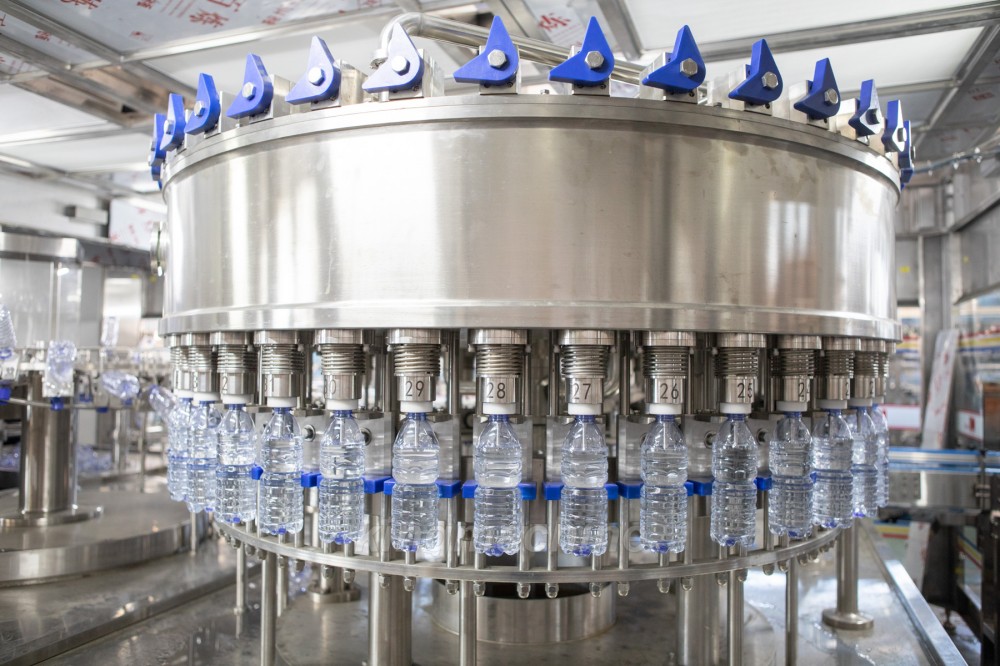
2.3 Higher Production Efficiency and Stable Output
With unified PLC control, Combiblock systems synchronize multiple processes for smoother operation. They reduce production interruptions, improve line stability, and help manufacturers achieve higher production efficiency.
2.4 Lower Labor Requirements
Automated bottle transfer, centralized operation, and intelligent monitoring reduce the need for multiple operators. This helps beverage manufacturers lower labor costs and improve production management efficiency.
2.5 Lower Energy Consumption and Operating Costs
By eliminating separate air conveyors and reducing auxiliary equipment, Combiblock systems lower compressed air consumption and energy usage, helping manufacturers reduce operating costs and improve total cost efficiency.
2.6 Better Bottle Quality and Less Material Waste
Stable bottle handling and precise filling control reduce bottle damage, rejection rates, and PET material waste, ensuring more consistent packaging quality during continuous production.
2.7 Faster Production Changeover and Greater Flexibility
Combiblock systems support various bottle sizes, packaging formats, and beverage types, including water, carbonated drinks, juice, and tea beverages, allowing manufacturers to respond quickly to market demands.
2.8 Advanced Automation and Smart Production Management
Equipped with PLC control, touchscreen operation, real-time monitoring, and fault diagnosis, modern Combiblock systems improve production visibility and support smart beverage manufacturing.
2.9 Easier Maintenance and Higher Reliability
The integrated design reduces equipment numbers, spare parts, and maintenance points. This simplifies maintenance procedures, minimizes downtime, and improves long-term production reliability.
2.10 Better Long-Term Return on Investment (ROI)
Although the initial investment may be higher, Combiblock systems provide long-term benefits through lower labor costs, reduced energy consumption, fewer maintenance needs, and improved productivity.
3. How to Choose the Right Combiblock Filling System?
Choosing the right Combiblock filling system requires evaluating your production goals, product requirements, and future expansion plans. Before investing in equipment, beverage manufacturers should consider the following key factors:
3.1 Production Capacity
Select a Combiblock system according to your expected output requirements. Common production capacities include:
6,000 BPH for small and medium-scale production
24,000 BPH for high-efficiency beverage plants
48,000 BPH for large-scale industrial production
3.2 Beverage Type
Different beverages require different filling technologies and system configurations. Consider whether the equipment will be used for:
Still water
Carbonated drinks
Juice beverages
3.3 Bottle Size Range
A flexible Combiblock system should support different packaging formats, such as:
3.4 Automation Level
Advanced automation features can improve efficiency and reduce operating costs. Key functions include:
Selecting a suitable Combiblock solution helps manufacturers achieve stable production, better efficiency, and long-term value.
4. Conclusion
A Combiblock provides beverage manufacturers with significant advantages, including space-saving design, improved hygiene, higher production efficiency, lower operating costs, advanced automation, and stronger long-term ROI. By integrating bottle blowing, filling, and capping processes into one synchronized unit, it offers a smarter solution for modern beverage production.
Choosing the right beverage production equipment requires professional engineering experience and reliable manufacturing capability. King Machine specializes in advanced Combiblock filling systems and complete beverage production solutions, helping customers worldwide optimize their production lines. Contact us today to discuss a customized solution for your beverage project.