NewsSite EditorSite/uploads/image/694e24f48271f.pngAseptic filling technology enables manufacturers to deliver safe, shelf-stable juice products while preserving flavor, color, and nutritional value. This guide explains how aseptic filling works, its key advantages, and how to select the right juice filling machine for your production needs.
Complete Guide to Aseptic Juice Filling Machines for High-Shelf-Life Beverages
Views: 703Author: Site EditorPublish Time: 2026-03-30Origin: Site
In today’s competitive beverage market, product shelf life, quality, and safety are more important than ever. Consumers demand fresh-tasting juice products with minimal preservatives, while manufacturers aim to expand distribution across wider regions without relying on cold chain logistics.
Traditional filling methods, such as hot filling, are still widely used but have limitations in terms of product variety and energy consumption. As a result, more beverage producers are turning to aseptic juice filling machines as a modern solution for producing high-quality, long-shelf-life beverages.
Aseptic filling technology enables manufacturers to deliver safe, shelf-stable juice products while preserving flavor, color, and nutritional value. This guide explains how aseptic filling works, its key advantages, and how to select the right juice filling machine for your production needs.
What Is an Aseptic Juice Filling Machine?
An aseptic juice filling machine is a specialized system designed to fill sterilized liquid products into pre-sterilized containers under a sterile environment. Unlike conventional filling systems, aseptic technology ensures that both the product and packaging remain free from microorganisms throughout the entire process.
The key difference between aseptic filling and traditional filling methods lies in the separation of sterilization and filling stages. In aseptic systems:
The product is sterilized using advanced methods such as Ultra High Temperature (UHT) treatment
Bottles and caps are sterilized independently
Filling takes place in a fully controlled sterile environment
This process allows beverages to achieve extended shelf life without preservatives, making aseptic filling an essential solution for modern juice production.
How Aseptic Juice Filling Machines Work
Product Sterilization (UHT Process)
The aseptic process begins with sterilizing the juice using Ultra High Temperature (UHT) treatment. The product is heated to a high temperature for a very short time to eliminate bacteria and microorganisms, then rapidly cooled.
This process ensures:
Microbial safety
Preservation of taste and nutrients
Minimal thermal damage to the product
Packaging Sterilization
In addition to sterilizing the product, the packaging must also be sterile. This includes:
Bottle sterilization, often using hydrogen peroxide (H₂O₂) or dry sterilization methods
Cap sterilization, ensuring that sealing components do not introduce contamination
This step is critical to maintaining a fully aseptic environment throughout the filling process.
Sterile Filling Environment
Aseptic filling takes place inside a sealed sterile chamber. This environment is maintained using:
HEPA-filtered air systems
Positive pressure to prevent contamination
Strict hygiene control
The sterile zone isolates the filling area from external contamination, ensuring product safety during operation.
Filling and Sealing Process
Once both product and packaging are sterilized, the juice filling machine performs filling at ambient temperature. Bottles are filled and immediately sealed to prevent exposure to contaminants.
This process allows manufacturers to produce high-quality beverages with long shelf life, without the need for preservatives or refrigeration.
Key Components of an Aseptic Filling Line
A complete aseptic juice filling system includes several integrated components working together:
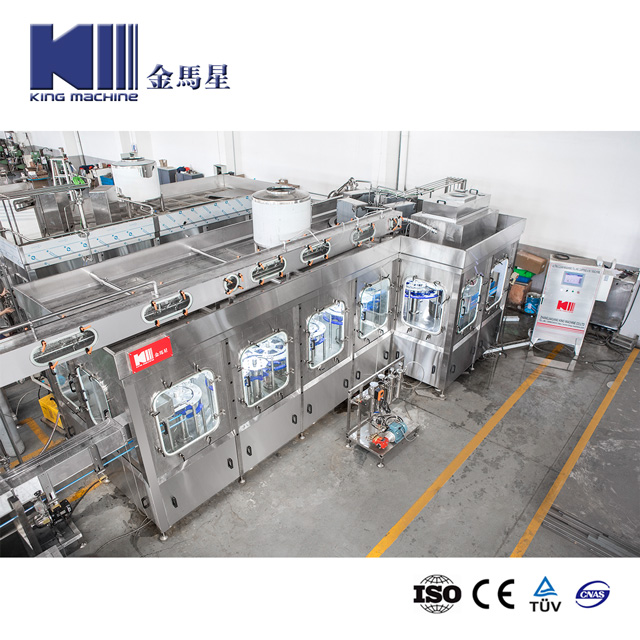
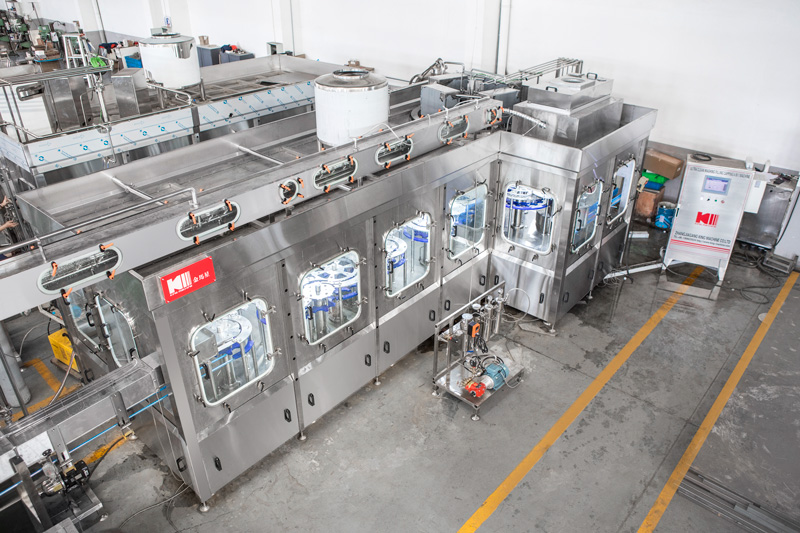
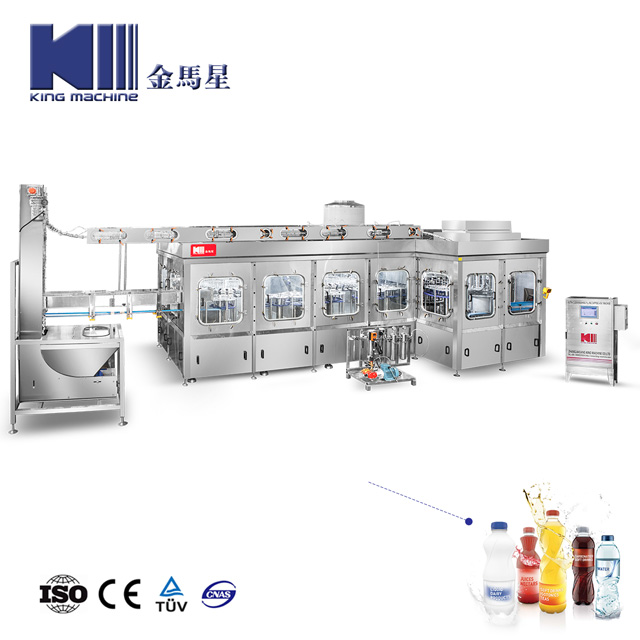
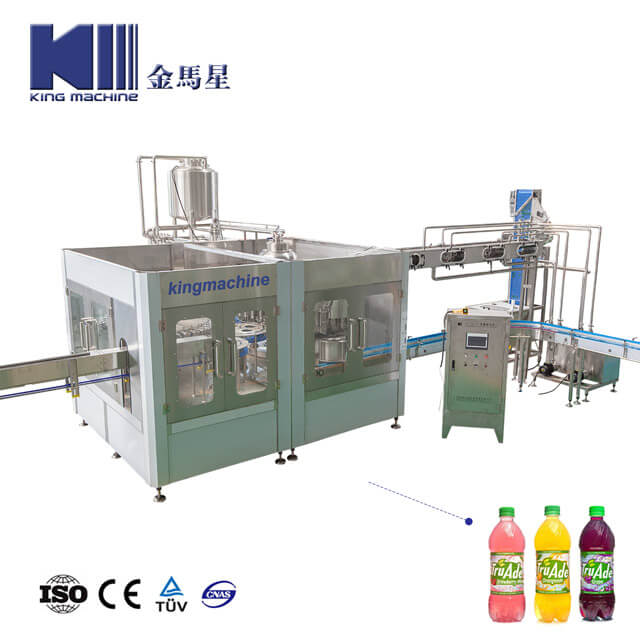
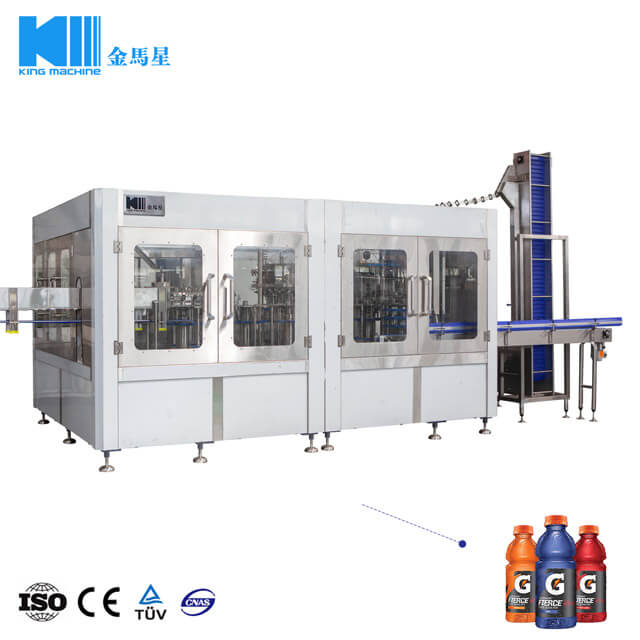
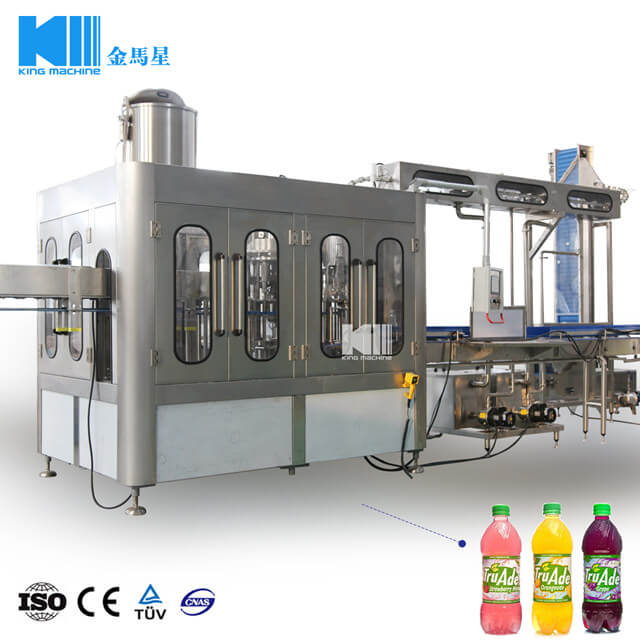
Aseptic juice filling machine – core equipment for sterile filling and sealing
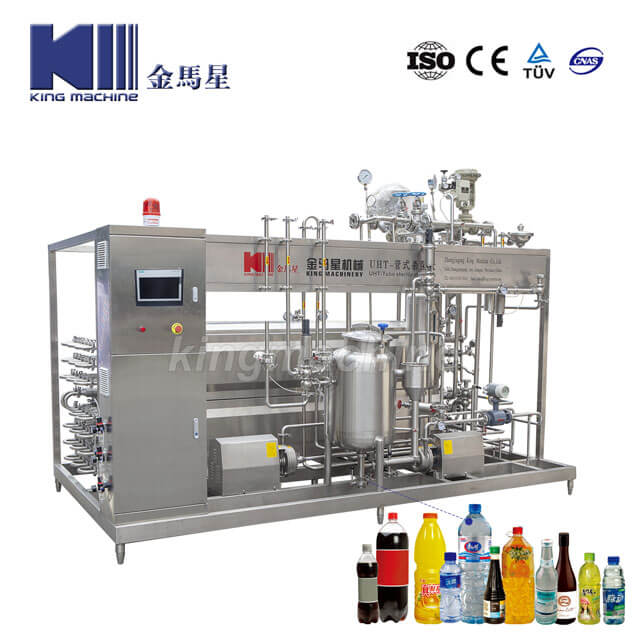
UHT sterilizer – ensures product sterilization
Aseptic buffer tank – maintains sterile storage before filling
Bottle blowing system – used for PET bottle production (in integrated lines)
CIP (Clean-in-Place) system – enables automatic cleaning
SIP (Sterilization-in-Place) system – ensures sterilization of equipment
These components form a complete automatic juice filling machine solution capable of delivering consistent and hygienic production.
Advantages of Aseptic Juice Filling Machines
Extended Shelf Life Without Preservatives
One of the biggest advantages of aseptic filling is its ability to extend product shelf life. Properly processed juice can be stored for several months without refrigeration or preservatives, making it ideal for large-scale distribution and export.
Better Product Quality and Nutrient Retention
Because aseptic filling minimizes heat exposure after sterilization, it helps preserve:
Natural flavor
Color
Nutritional value
This is particularly important for premium juice products where quality is a key selling point.
Flexible Packaging Options
Unlike hot filling systems, aseptic filling allows the use of lightweight PET bottles and other packaging formats. This reduces material costs and improves transportation efficiency.
Reduced Energy Consumption
Although aseptic systems require advanced technology, they often reduce overall energy consumption by eliminating the need for prolonged heating and cooling cycles used in hot filling processes.
Wide Range of Applications
Aseptic juice filling machines are highly versatile and can be used for:
Fruit juices such as mango juice and mixed juice
Dairy-based beverages like milk and coffee drinks
Functional and plant-based beverages
This flexibility makes aseptic systems a valuable investment for diversified beverage production.
Aseptic Filling vs. Hot Filling: Key Differences
A common question for beverage manufacturers is whether to choose aseptic filling or hot filling.
The main differences include:
Temperature: Aseptic filling occurs at ambient temperature, while hot filling uses high temperatures.
Product Range: Aseptic systems handle both low-acid and high-acid beverages, while hot filling is mainly suitable for high-acid products.
Shelf Life: Aseptic filling provides longer shelf life.
Bottle Type: Aseptic systems support lightweight bottles, while hot filling requires heat-resistant containers.
Investment: Aseptic systems typically require higher initial investment but offer greater flexibility and long-term value.
Understanding these differences helps manufacturers select the most suitable technology for their production goals.
Applications of Aseptic Juice Filling Machines
Aseptic filling technology is widely used in modern beverage production, including:
Fruit juice production (mango juice, orange juice, mixed juice)
Dairy beverages such as milk and coffee drinks
Functional beverages including vitamin drinks and plant-based products
Export-oriented production, where long shelf life is essential
As global demand for shelf-stable beverages grows, aseptic filling systems are becoming increasingly important in the beverage industry.
How to Choose the Right Aseptic Juice Filling Machine
Selecting the right aseptic juice filling machine requires careful consideration of several factors.
Production Capacity
Determine the required output in bottles per hour (BPH) based on your current demand and future expansion plans.
Bottle Type and Size
Consider the type of packaging you will use, such as PET bottles, glass bottles, or cartons. Different machines are designed for different packaging formats.
Level of Automation
Modern automatic juice filling machines offer full automation, reducing labor costs and improving production efficiency.
Sterilization Technology
Evaluate the sterilization methods used for both product and packaging to ensure consistent quality and safety.
Manufacturer Experience and Support
Choosing an experienced supplier is critical. A reliable manufacturer provides:
Stable equipment performance
Technical support
Installation and training services
Spare parts availability
This ensures smooth operation and long-term reliability of your filling line.
Conclusion
Aseptic juice filling machines represent a modern, efficient, and high-quality solution for producing long-shelf-life beverages. By combining advanced sterilization technology with controlled filling environments, these systems allow manufacturers to deliver safe, fresh, and high-quality products without preservatives.
From improved product quality to flexible packaging and extended shelf life, aseptic filling offers significant advantages over traditional methods. For beverage manufacturers looking to expand into new markets and enhance product value, investing in an aseptic filling system is a strategic decision.
With extensive experience in beverage equipment manufacturing, King Machine provides advanced aseptic juice filling machine solutions tailored to different production needs. From complete juice filling machine systems to integrated production lines, King Machine supports beverage producers worldwide in achieving efficient, reliable, and high-quality operations.