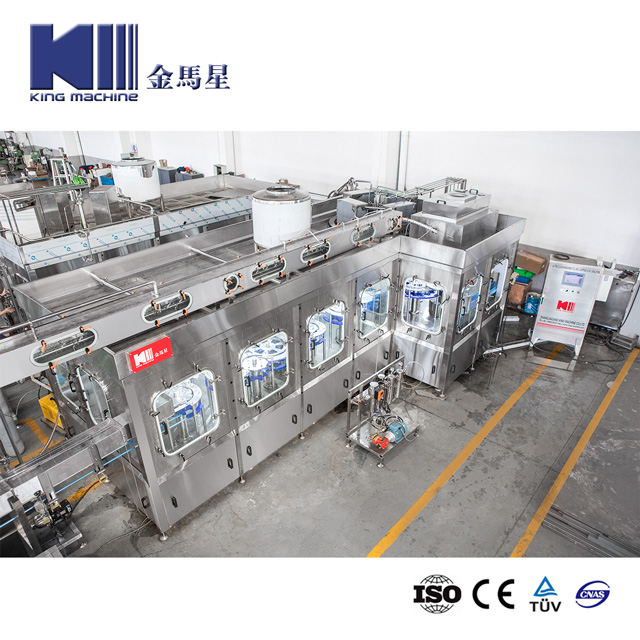
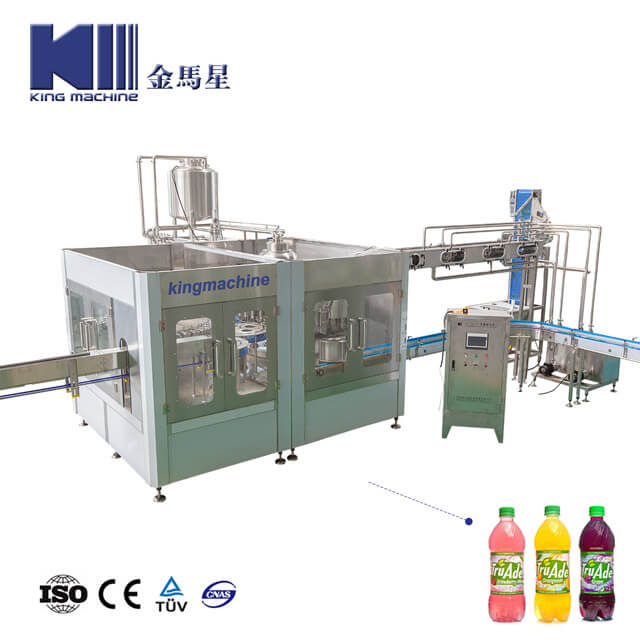
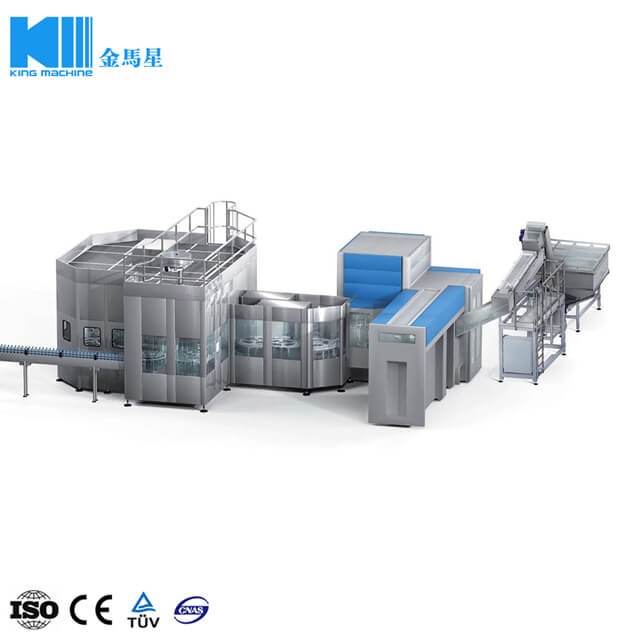
When selecting a supplier for beverage filling machines, buyers often encounter issues such as widely varying price quotes and ambiguous machine configurations, making it difficult to determine whether a supplier can truly meet their production requirements. These differences can affect not only the initial investment but also installation, production efficiency, and long-term operating costs.
A poorly selected supplier may lead to equipment incompatibility, unexpected expenses, delayed delivery, or inadequate technical support. Therefore, evaluating a supplier before placing an order is essential for reducing procurement risks.
This guide explains how to compare supplier types, assess technical and manufacturing capabilities, identify hidden costs, and prepare the right information for an accurate quotation. These steps can help buyers make more informed purchasing decisions.
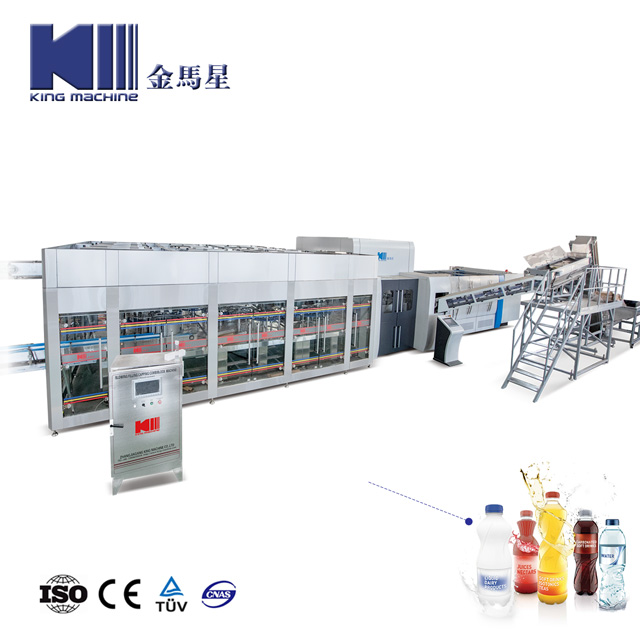
1. Understand Your Supplier Options
Before choosing a water filling machine manufacturer, understand the differences between available purchasing channels. Each option offers different levels of technical involvement, customization, and project support.
Supplier Type | What They Offer | Advantages | What to Check |
Direct Manufacturer | In-house equipment production | Direct technical communication | Factory and production capabilities |
Equipment Supplier | Equipment sourcing and sales | Multiple product options | Actual manufacturing partners |
Trading Company | Purchasing and export services | Simplified procurement | Technical and after-sales responsibility |
B2B Marketplace | Multiple supplier listings | Convenient supplier comparison | Company authenticity and product quality |
For standard equipment, several channels may be suitable. However, customized projects and complete bottling lines often benefit from direct manufacturer involvement. Always verify who handles engineering, testing, installation, and warranty responsibilities.
2. Evaluate Technical and Project-Matching Capabilities
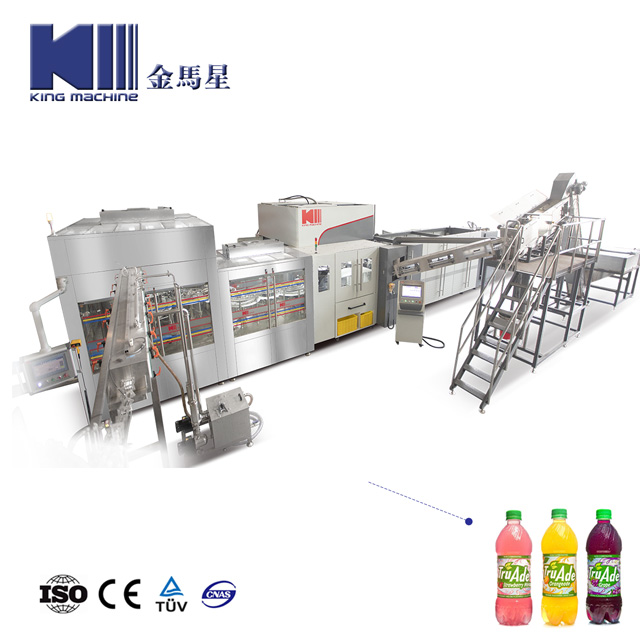
A reliable supplier should understand your production requirements before recommending equipment. For example, a juice filling machine may require different configurations depending on viscosity, pulp content, foaming characteristics, filling temperature, and carbonation.
Beverage and Packaging Compatibility
Ask whether the supplier can evaluate:
Beverage type and liquid characteristics.
Bottle material, volume, shape, and neck dimensions.
Cap type and sealing requirements.
Required filling temperature and production conditions.
For PET bottles, bottle dimensions and neck finishes directly affect rinsing, filling, and capping compatibility. Request a review of bottle samples or technical drawings before confirming the configuration.
Equipment and Capacity
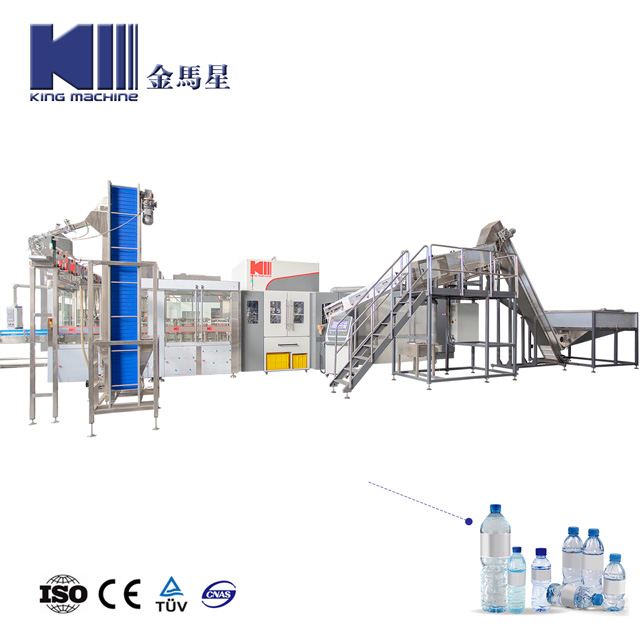
Check whether the proposed solution should be a standalone filler, rinsing-filling-capping monoblock, or complete bottling line. The right choice depends on existing equipment, available space, automation requirements, and target output. A suitable configuration should meet actual production needs without unnecessary investment in excess capacity.
3. Check Manufacturing Quality and Project Experience
A supplier's ability to deliver reliable equipment depends on its manufacturing processes, quality control, and engineering experience. When evaluating a water filling line supplier, check the following:
Manufacturing and Testing
Verify its production facilities and actual equipment assembly capabilities.
Ask about key components, filling valves, control systems, and electrical configurations.
Confirm whether machines undergo factory testing before shipment.
Establish acceptance criteria for filling accuracy, operating stability, capping performance, and output.
Relevant Project References
Prioritize projects involving similar beverages, bottle formats, and production capacities. Ask for installation records, commissioning details, and customer feedback.
For example, King Machine's project references include a 12,000 BPH complete water production line for Ghana's Sky Spring Water Company and a 12,000 BPH, 500ml juice line in Bolivia. These examples provide useful references when evaluating experience in different beverage production projects.
4. Compare Total Costs and After-Sales Support
The lowest quotation does not necessarily represent the lowest overall investment. When comparing a can filling machine or other beverage equipment, request itemized quotations covering:
Equipment and transportation costs.
Installation and commissioning.
Operator training.
Initial spare parts.
Electrical and utility requirements.
Warranty and Service
Check the warranty period, covered components, technical response time, spare parts availability, and overseas service arrangements. Also clarify whether remote troubleshooting and on-site assistance are available.
Common Red Flags
Warning Sign | What to Verify |
Unclear quotation | Detailed equipment and service scope |
Unrealistic output claims | Actual factory test results |
Vague warranty | Coverage and exclusions |
Limited after-sales support | Response and spare parts arrangements |
Unverified references | Comparable completed projects |
For overseas buyers, installation and commissioning arrangements deserve particular attention. A clear service agreement helps prevent unexpected costs and prolonged production interruptions.
5. Prepare Information Before Requesting a Quotation
Providing complete project details helps suppliers recommend suitable equipment and calculate a more accurate water filling machine price.
Information | Details to Provide |
Beverage Type | Water, juice, tea, or carbonated drinks |
Liquid Characteristics | Viscosity, foaming, pulp, temperature |
Bottle Specifications | Material, volume, shape, neck size |
Closure Type | Screw cap, crown cap, etc. |
Target Capacity | Required bottles per hour (BPH) |
Equipment Scope | Standalone filler or complete line |
Existing Equipment | Available production machines |
Factory Information | Layout and available space |
Destination | Country and installation location |
Whenever possible, include bottle photographs, technical drawings, product samples, and existing production line information. For factory expansion projects, sharing the current layout is also helpful. These details allow the supplier to evaluate equipment compatibility and identify potential configuration issues before preparing a quotation.
Conclusion
When selecting a supplier for beverage filling machines, factors such as technical compatibility, manufacturing quality, factory testing, project experience, pricing transparency, and after-sales support all directly influence the success or failure of the procurement decision. Comparing these factors helps buyers identify suppliers capable of meeting both immediate production requirements and future business needs.
King Machine has 20 years of export industry experience, with more than 1,000 beverage filling lines delivered to over 150 countries. Its network includes 14+ global after-sales service locations, and its customer repurchase rate is 75%. Contact King Machine with your beverage, bottle specifications, and target capacity to discuss a suitable filling solution.