News
Site Editor
 Site
/uploads/image/694e24f48271f.png
Learn what affects water filling machine price, including capacity, automation, filling technology, materials, customization, service, logistics, and production needs.
Site
/uploads/image/694e24f48271f.png
Learn what affects water filling machine price, including capacity, automation, filling technology, materials, customization, service, logistics, and production needs.
What Factors Affect the Price of a Water Filling Machine?
Views: 208
Author: Site Editor
Publish Time: 2026-09-04
Origin: Site
The bottled water industry continues to grow as consumers place greater importance on convenient hydration and healthy drinking choices. This growth is driving manufacturers to invest in efficient water bottling equipment that can meet rising demand while maintaining consistent production quality.
Selecting the right water filling machine requires a clear understanding of production needs and investment costs. Too little capacity can create production bottlenecks and restrict future growth, while excessive capacity can tie up capital in equipment that is not fully utilized. The machine's automation, speed, filling technology, materials, and configuration can all affect its overall cost.
This article examines the key factors that influence water filling machine price and explains how they relate to production requirements, long-term operating costs, and investment value. With this information, bottlers can compare equipment options and make more informed purchasing decisions.
1. Water Filling Machine Price Overview
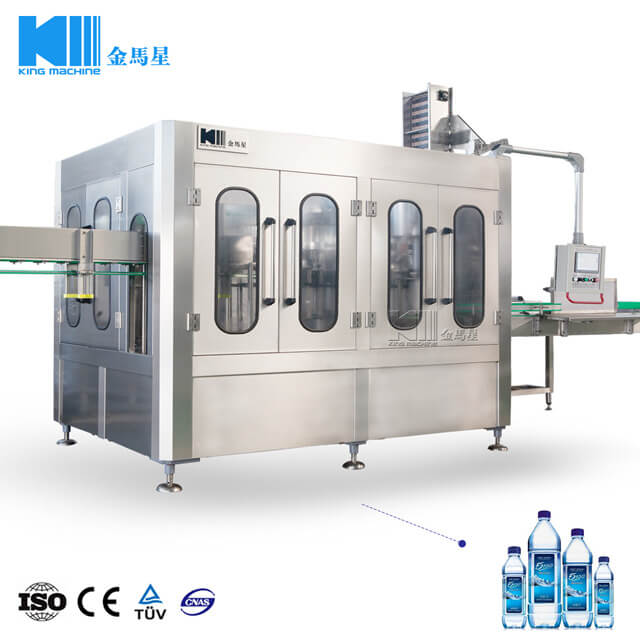
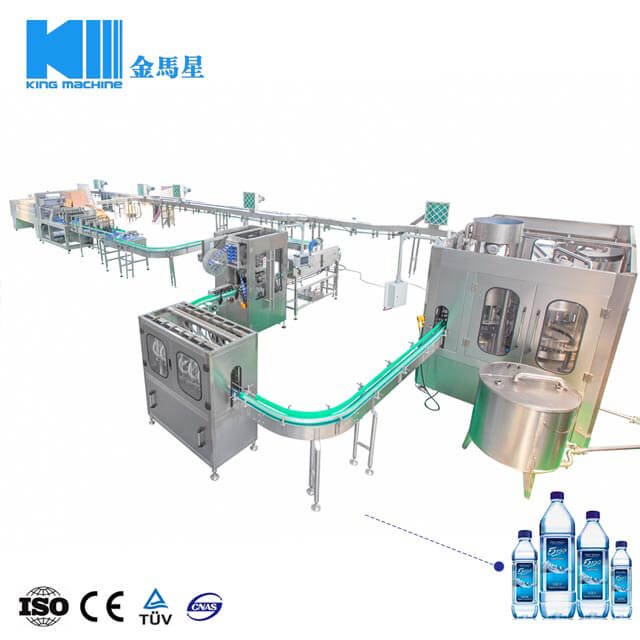
Water filling equipment ranges from basic semi-automatic machines to complete turnkey production lines. The following figures provide general market reference ranges by automation level and production capacity.
|
Machine Type
|
Reference Price
|
Typical Capacity
|
|
Manual / Semi-Auto
|
$5,000-$20,000
|
50-200 bottles/hour
|
|
Automatic Entry-Level
|
$20,000-$50,000
|
200-2,000+ BPH
|
|
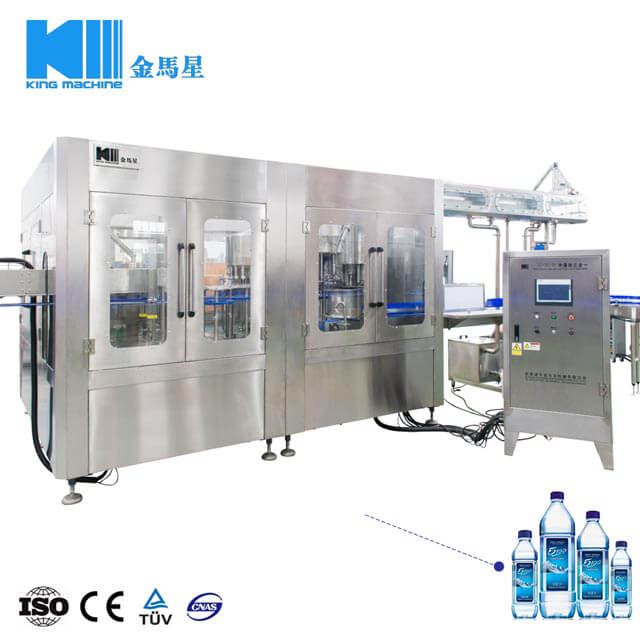
Fully Automatic High-Speed
|
$50,000-$150,000+
|
2,000-36,000+ BPH
|
|
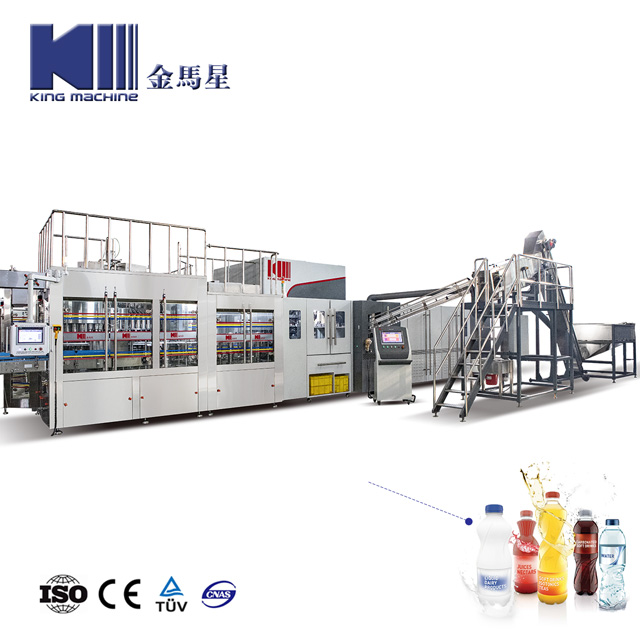
Turnkey Production Line
|
$100,000-$1,000,000+
|
10,000-54,000+ BPH
|
These figures are indicative rather than fixed quotes. Actual investment can vary by supplier location, equipment configuration, production requirements, and project scope. Buyers should compare complete specifications and total project costs when evaluating different options.
2. What Affects Water Filling Machine Price?
Water filling production line prices vary because equipment differs in performance, construction, controls, integration, and service. The main cost drivers include:
|
Factor
|
What Changes the Cost
|
|
Automation Level
|
Manual, semi-auto, or fully automatic 3-in-1 systems
|
|
Capacity & Speed
|
Higher output requires more advanced engineering
|
|
Filling Technology
|
Gravity, pressure, flowmeter, or time-pressure systems
|
|
Materials & Build
|
SUS304/SUS316 or other construction standards
|
|
Container & Tooling
|
PET, glass, gallon bottles, formats, and change parts
|
|
Manufacturer Reputation
|
Experience, quality control, and proven installations
|
|
Controls & Technology
|
PLC, touchscreen, CIP, variable-speed drives, connectivity
|
|
Turnkey vs. Standalone
|
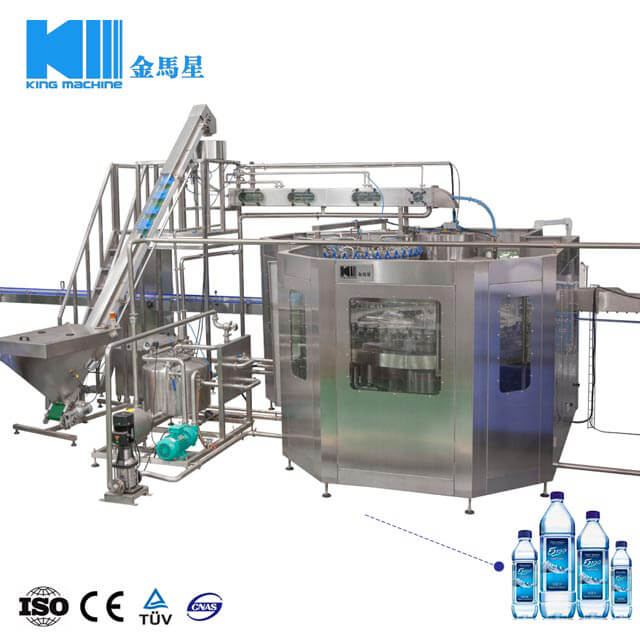
Single filler or integrated water bottling line
|
|
Customization
|
Standard equipment versus OEM/ODM engineering
|
|
Compliance
|
Required quality, safety, and market certifications
|
|
After-Sales Service
|
Installation, training, warranty, and spare parts
|
|
Logistics
|
Shipping, customs, inland transport, and installation requirements
|
|
New vs. Used
|
Purchase savings versus condition and parts availability
|
These factors interact with one another, so the lowest initial equipment cost does not always mean the lowest long-term investment. Buyers should assess capacity, operating requirements, integration needs, and service support together before selecting a machine.
3. Water Filling Machine ROI
The return on a water filling line comes from higher output, lower labor requirements, consistent filling, and reduced product waste. Compared with manual production, an automated line can handle significantly higher volumes while reducing the number of operators required for routine production tasks.
Key ROI considerations include:
-
Labor savings: Automation reduces dependence on manual handling and repetitive operations.
-
Higher output: High-speed systems can increase production capacity to meet growing demand.
-
Consistent quality: Automated filling helps maintain stable filling volumes and production standards.
-
Better margins: Building a bottled water brand can create different profit opportunities from contract production.
-
Payback period: ROI depends on equipment investment, production volume, labor costs, operating expenses, and sales demand.
4. How to Choose the Right Machine
The right water filling machine should match both your current production needs and long-term business plans. Before placing an order, evaluate the following seven areas:
|
Strategy
|
Key Point
|
|
Match Capacity
|
Estimate current output and 3-5 year growth
|
|
Consider Turnkey
|
Integrate bottle making, water treatment, filling, and packaging
|
|
Check Service
|
Review installation, training, warranty, and spare-parts support
|
|
Compare Quotes
|
Compare specifications, warranties, and total ownership costs
|
|
Verify Quality
|
Visit the factory or request equipment demonstrations
|
|
Choose Modular
|
Leave room for future equipment and production upgrades
|
|
Plan Maintenance
|
Budget for preventive maintenance, spare parts, and cleaning
|
A careful evaluation can prevent capacity mismatches and unexpected operating costs. Rather than choosing equipment based on the initial quotation alone, consider how well the machine fits your production process and how the supplier can support the equipment throughout its working life.
5. Why Choose King Machine?
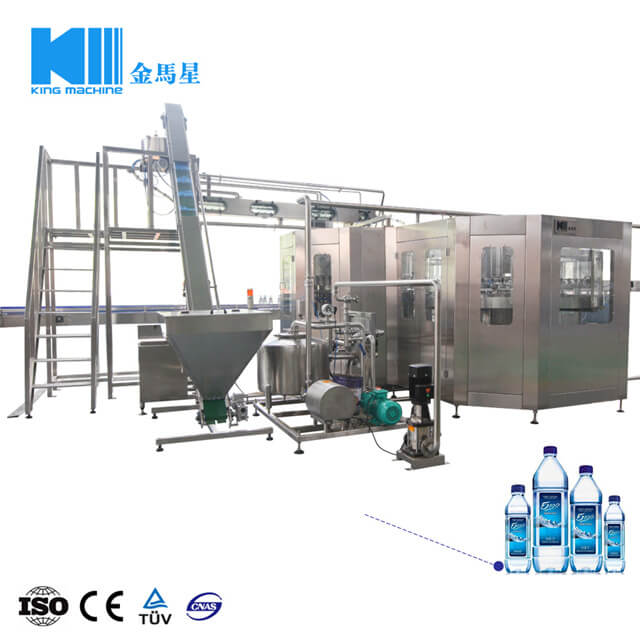
With 20+ years of experience, King Machine has supplied 1,000+ beverage filling lines to customers in more than 90 countries. Its solutions combine reliable equipment with complete project support.
-
Technology: 3-in-1 rinsing, filling, and capping systems, PLC controls, touchscreen operation, and SUS304/SUS316 construction.
-
Global Experience: Projects include Coca-Cola, Glen Affric Brewery, Kenya Aquamist, Tanzania Sayona Jambo, Uganda Blue Wave, and Venezuela Canaima.
-
Complete Solutions: Bottle making, water treatment, filling, and packaging equipment are available for turnkey projects.
-
Flexible Support: OEM/ODM customization, certification documentation, installation guidance, training, spare parts, and coordinated logistics help customers implement projects efficiently.
Conclusion
Investing in a water filling machine is a long-term decision that should consider more than the initial cost. Capacity, automation, equipment quality, production requirements, maintenance, and after-sales support all affect the overall value of the investment. A clear understanding of these factors helps bottlers choose equipment that fits their needs and supports future growth.
With its experience in beverage filling solutions, King Machine can provide equipment and integrated solutions for different water bottling projects. Contact King Machine today to discuss your requirements and get a customized solution for your production needs.