News
Site Editor
 Site
/uploads/image/694e24f48271f.png
Discover five common causes of bottle leakage after capping, practical troubleshooting methods, and ways to improve sealing reliability in beverage production.
Causes of Leakage After Bottle Capping
Views: 73
Author: Site Editor
Publish Time: 2026-11-25
Origin: Site
Bottle leakage after capping can cause significant problems for beverage manufacturers. Leaking products may stain labels, damage cartons, result in rejected shipments, and increase customer complaints. These issues can also lead to product waste and additional costs during storage and transportation.
A bottle that leaks after capping does not necessarily have a loose cap. Reliable sealing depends on several factors, including cap torque, bottle neck dimensions, liner condition, filling accuracy, and transportation conditions. Even minor inconsistencies can affect the final seal.
For manufacturers operating a bottled water filling machine or other beverage production line, understanding these factors is essential. This article explains five common causes of leakage, provides practical troubleshooting methods, and outlines ways to prevent recurring sealing problems.
1. Common Causes of Leakage After Bottle Capping
Leakage usually results from problems with the closure system or production conditions. The following factors are worth checking first.
1.1 Incorrect Capping Torque
Symptoms: Loose caps, leakage, deformed caps, or difficulty opening bottles.
Causes: Low torque provides insufficient sealing pressure, while excessive torque can damage threads or deform liners.
Solutions: Test the actual bottle, cap, and liner combination to establish a suitable torque range. Regularly measure application and removal torque.
1.2 Bottle Neck and Cap Mismatch
Symptoms: Tilted caps, cross-threading, or inconsistent leakage.
Causes: Incorrect neck diameter, thread profile, sealing surface, or damaged bottle openings.
Solutions: Check packaging dimensions and inspect bottle necks and cap threads before production.
1.3 Damaged or Unsuitable Sealing Components
Missing, displaced, incorrectly sized, or chemically incompatible liners can prevent proper sealing. Excessive compression may also cause wrinkles or deformation. Select liner materials according to the product and filling conditions, then verify their performance through testing.
1.4 Filling Residue and Foaming
Overfilling, excessive foam, or poorly positioned nozzles can leave liquid on the bottle mouth. This residue may interfere with the sealing surface even when the capping process is normal. Control filling volume and speed, and keep bottle mouths clean before capping.
1.5 Product and Transportation Stress
Some product ingredients may affect cap or liner materials over time. Temperature changes, vibration, impact, and inverted storage can also weaken seals. Test complete packages with the actual product under realistic storage and transportation conditions.
2. How to Diagnose Bottle Leakage After Capping
A systematic inspection helps identify the actual cause. Start by locating the leak, then check the closure, filling process, and storage conditions. For a water filling machine production line, inspect the filling-to-capping transfer as well as the sealing components.
Leakage Symptom | Likely Cause | What to Check |
Tight cap but leakage | Excessive torque or liner damage | Torque and liner condition |
Loose cap after shipping | Poor torque retention or vibration | Removal torque and transport conditions |
Leakage around the mouth | Neck defects or liquid residue | Sealing surface and cleanliness |
Tilted or cross-threaded cap | Cap mismatch or misalignment | Threads and capping head |
Wrinkled liner | Incorrect size or over-compression | Liner fit and torque |
Leakage after temperature changes | Material incompatibility | Package compatibility |
Adjust one parameter at a time and repeat the test to verify whether the change resolves the problem.
3. How to Prevent Leakage After Bottle Capping
Preventive quality control reduces recurring sealing problems across the entire water filling line.
Verify Packaging Compatibility
Test bottles, caps, and liners together using the actual product. Approve a qualified sample as the production reference before mass production.
Standardize Capping Torque
Set torque ranges for different bottle formats and record the corresponding machine settings. Inspect capping heads and torque control components regularly.
Control Filling Conditions
Maintain accurate filling volumes, appropriate nozzle positions, and stable filling speeds. Control foam and prevent liquid from contaminating bottle mouths.
Inspect and Record Quality
Check incoming packaging materials and conduct torque and leakage tests at the beginning, middle, and end of production. Keep inspection records to identify recurring defects.
4. Choosing Filling and Capping Equipment to Reduce Leakage
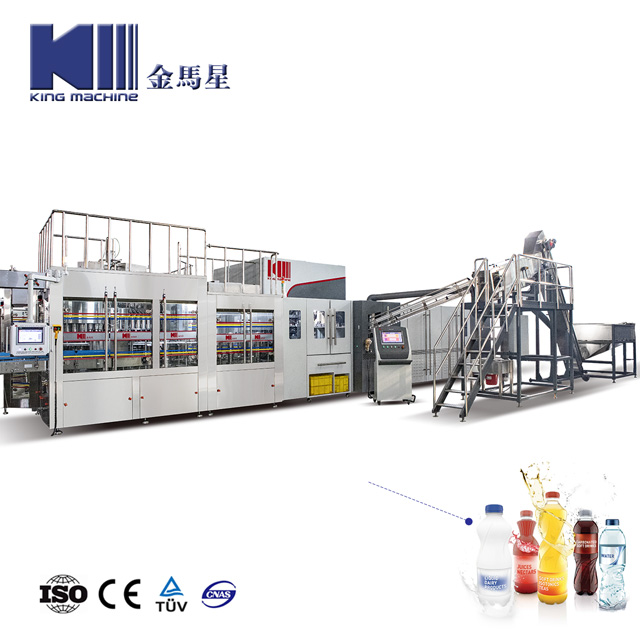
Suitable equipment helps maintain consistent bottle positioning and sealing performance. When selecting a juice filling and capping machine or a complete beverage line, consider the following features:
Consistent torque: Capping heads with torque-limiting functions help reduce excessive tightening and bottle breakage.
Accurate positioning: Stable cap placement helps prevent tilted and cross-threaded closures.
Automatic protection: Bottle and cap detection can reduce waste and machine interruptions.
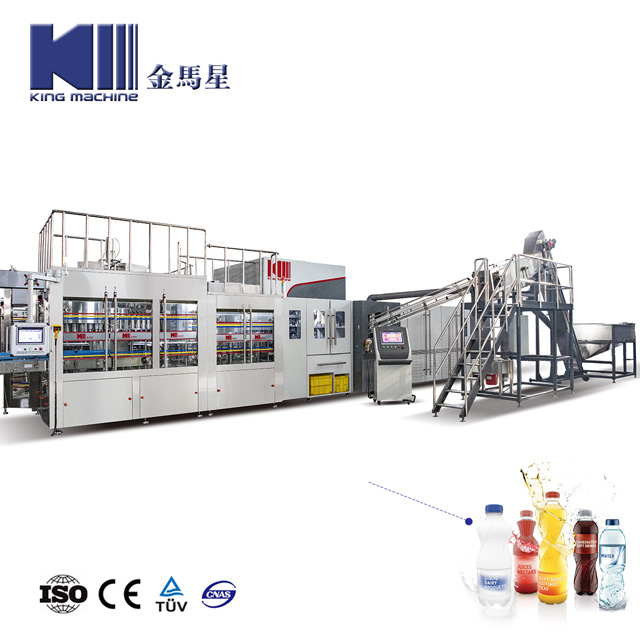
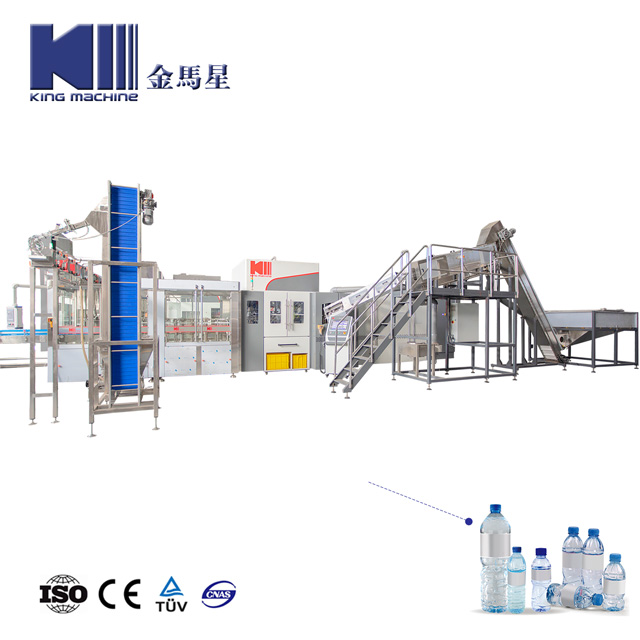
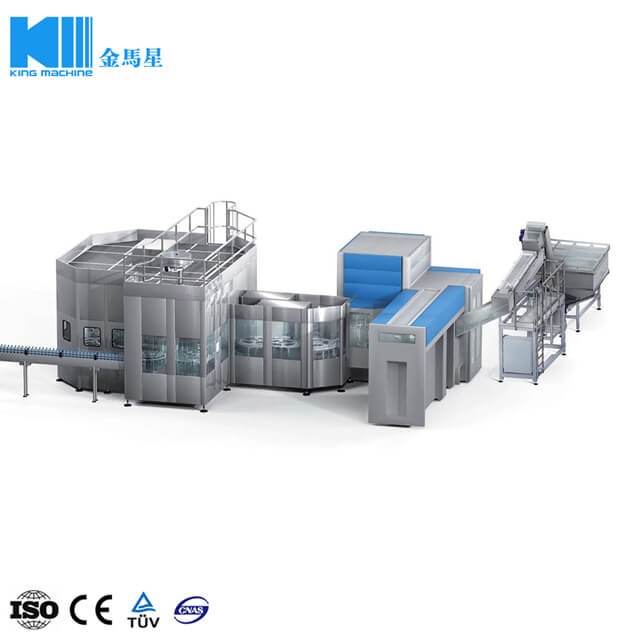
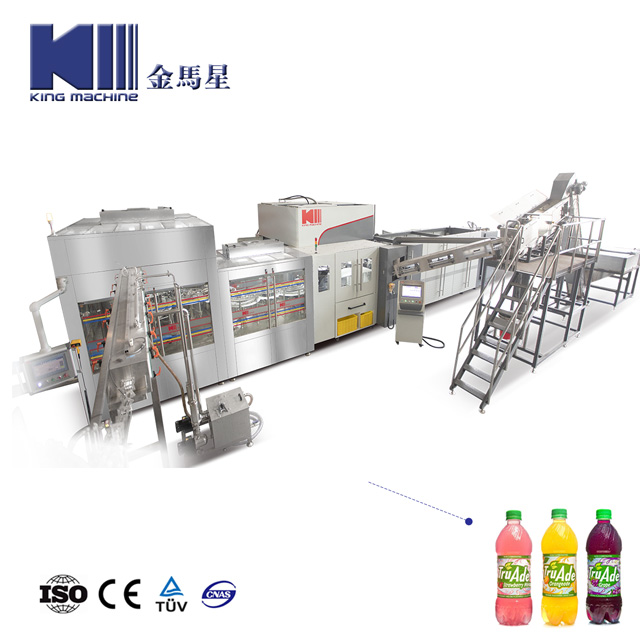
Integrated production: A blowing filling capping combiblock combines bottle blowing, filling, and capping. This blowing filling capping machine helps maintain stable bottle transfer between processes.
King Machine provides constant-torque capping technology, automatic detection and protection, and integrated production solutions. Professional technical support is recommended when recurring leaks involve mechanical wear, control systems, or persistent packaging compatibility problems.
Conclusion
Leakage after bottle capping can result from incorrect torque, incompatible packaging components, damaged liners, filling residue, or transportation stress. Reliable sealing requires coordinated control of the bottle, cap, filling process, and capping equipment. By testing complete packages, standardizing production parameters, and maintaining regular quality inspections, manufacturers can reduce product loss and improve packaging reliability.
With experience in delivering more than 1,000 beverage filling lines to customers in over 90 countries, King Machine understands the demands of different beverage production projects. Whether you are upgrading an existing line or planning a new facility, contact King Machine to discuss suitable filling and capping solutions for your production requirements.