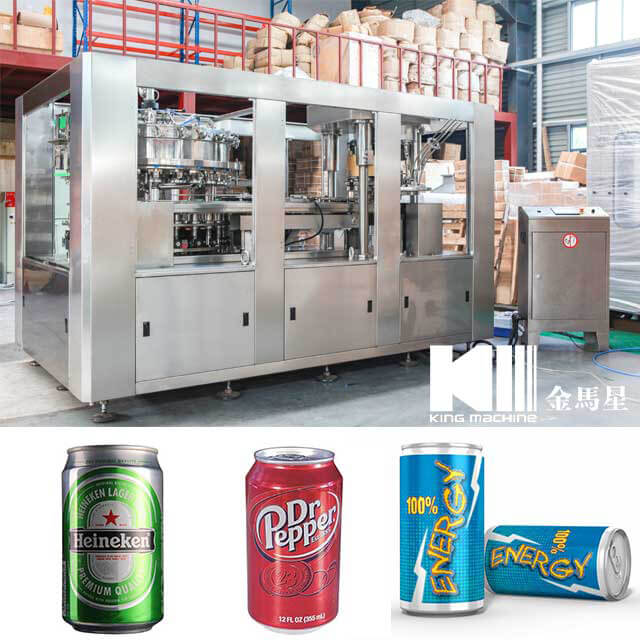
Choosing between cans and bottles is an important decision for beverage manufacturers. The packaging format affects more than product appearance. It also determines the filling and sealing equipment, production process, packaging costs, and daily maintenance requirements.
Although both formats are widely used in the beverage industry, they serve different production needs. Cans offer a compact metal packaging option, while bottles provide greater flexibility in materials, shapes, and sizes.
This guide compares can and bottle filling lines, covering their structures, sealing technologies, production performance, and typical applications. It also outlines practical selection factors to help manufacturers identify the right packaging solution for their operations.
1. What Are Can Filling Lines and Bottle Filling Lines?
Can Filling Lines
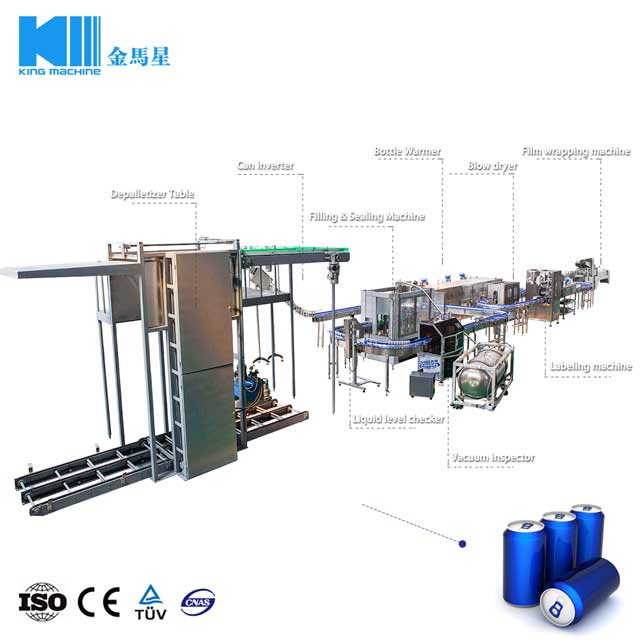
A can filling machine is designed to fill products into metal or compatible PET cans and seal them with specialized equipment. A typical line includes:
Empty can handling and rinsing
Product filling and can seaming
Inspection, labeling, and packaging
The seamer forms a double seam between the can body and end, creating a secure closure. These lines are commonly used for beer, carbonated drinks, energy drinks, and canned coffee.
Bottle Filling Lines
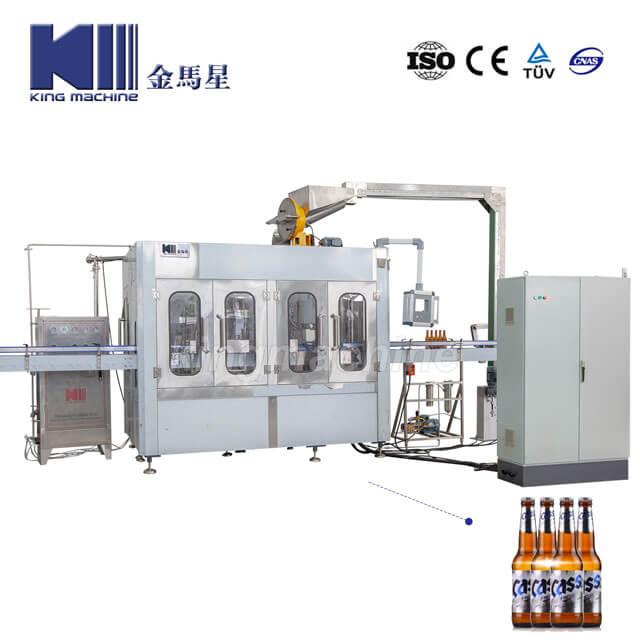
A bottle filling line handles containers such as PET, glass, and HDPE bottles. Its main stages include bottle feeding, rinsing, filling, capping, labeling, and secondary packaging. Depending on the product, filling methods may include gravity, piston, pump, or counter-pressure filling. Applications range from bottled water and juice to tea, dairy drinks, and edible oil.
2. Can Filling Line vs Bottle Filling Line: Key Differences
The main differences involve container construction, sealing methods, product compatibility, and production flexibility.
Comparison Factor | Can Filling Line | Bottle Filling Line |
Container Materials | Aluminum and tinplate cans | PET, glass, and HDPE bottles |
Sealing Method | Double seaming | Screw capping and other cap systems |
Filling Technology | Counter-pressure or gravity filling | Gravity, piston, pump, overflow, or counter-pressure filling |
Carbonated Drinks | Commonly used for canned beverages | Suitable with appropriate pressure-control systems |
Production Flexibility | Usually designed for specific can dimensions | Different bottle sizes with suitable change parts |
Typical Applications | Beer, soda, energy drinks, canned coffee | Water, juice, tea, dairy drinks, edible oil |
Maintenance Focus | Seaming accuracy and filling valves | Filling valves, capping heads, and conveyors |
Container and Sealing
A beer can filling machine uses a seaming system to join the can body and end through a double-seam process. Bottle lines generally use screw caps, press-on caps, or other closures. These different sealing structures require dedicated equipment, so a standard bottle filling machine cannot simply replace a can seamer.
Filling and Carbonation Control
Carbonated beverages require careful pressure management to reduce foaming and CO2 loss during filling. Counter-pressure filling helps balance pressure between the product and container before filling begins. Both cans and bottles can handle carbonated drinks when the container and filling system are properly designed. The suitable solution depends on product characteristics, container pressure resistance, and sealing performance.
Speed and Maintenance
Both systems can support automated, continuous production. Actual output depends on equipment configuration, container dimensions, and the level of automation. Can lines require careful seamer adjustment, while bottle lines need attention to filling valves, capping heads, and container handling. Bottle lines may also offer greater flexibility when a factory frequently changes container sizes.
3. How to Choose Between a Can Filling Line and a Bottle Filling Line
Match the Product and Packaging
Start with the product's physical properties, processing requirements, and target market. For example:
Beer, soda, and energy drinks can be packaged in cans or suitable bottles.
Juice, tea, and drinking water can use PET bottles or cans.
Dairy drinks and ready-to-drink coffee require additional consideration of filling temperature and sterilization.
A juice filling machine should therefore be selected according to the product formulation, filling temperature, and required processing system.
Evaluate Capacity and Product Variety
Consider the target output, production shifts, and expected future demand. Factories producing large volumes of a limited product range may benefit from dedicated lines. Manufacturers handling different bottle sizes should evaluate changeover requirements and compatible parts.
Compare Total Operating Costs
Compare container and closure costs, auxiliary equipment, installation, energy consumption, spare parts, and maintenance requirements. A water filling machine project, for instance, may also require water treatment, bottle handling, and end-of-line packaging equipment.
Can One Line Handle Both Formats?
Most can and bottle filling lines are designed separately because their conveying, positioning, and sealing systems differ. A combined solution may require additional change parts and equipment adjustments. Manufacturers should assess their production schedule and expected changeover frequency before considering this option.
4. Can Filling and Bottle Filling Solutions from King Machine
King Machine provides beverage packaging equipment for both can and PET bottle applications, with solutions configured according to product and production requirements.
Can Filling Line Solutions
The King Machine CAN Compact system integrates the filler, valve assembly, seamer, control cabinet, and operating panel into a compact unit. Its supporting equipment can include beverage mixers, inspection machines, pasteurizers, labelers, and shrink wrappers. Applications include carbonated drinks, energy drinks, beer, juice, and other beverages.
Relevant projects include the automatic carbonated drink can filling line for AVA Group LLP, the SIWAS Factory project in Iraq, and the can filling line upgrade for Shnider in Egypt.
PET Bottle Filling Line Solutions
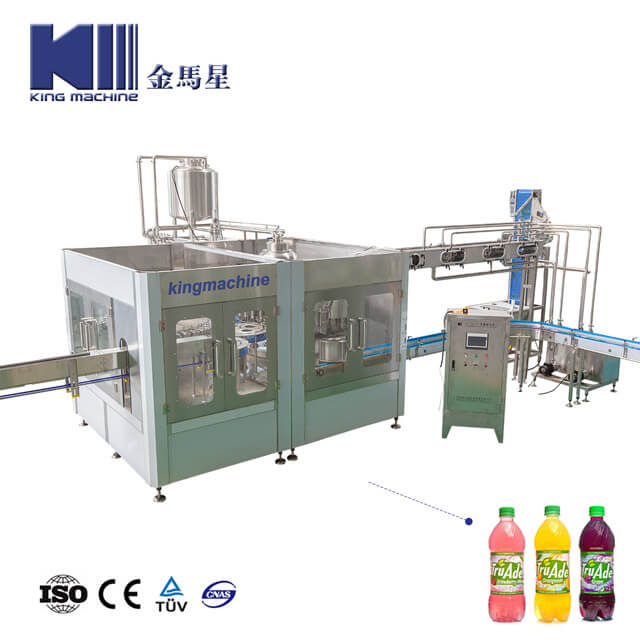
For PET packaging, King Machine offers integrated rinsing, filling, and capping systems. Its bottled water filling machine solutions can be combined with water treatment, while PET juice lines may include blending, sterilization, CIP, and cooling systems according to the product process.
Project references include the 12,000 BPH water production line for Sky Spring Water Company in Ghana, the Angola Canaan water and juice project, and the Pap's Juice production line in Mali.
Conclusion
Choosing between a can filling line and a bottle filling line depends on product characteristics, packaging requirements, production capacity, and long-term operating costs. Cans and bottles each offer distinct advantages, so manufacturers should evaluate the complete production process.
King Machine has delivered more than 1,000 beverage filling lines across over 150 countries, supported by 14+ global after-sales service locations. If you are planning a new beverage production project, contact King Machine with your product details, packaging specifications, and target capacity to discuss a suitable filling solution.