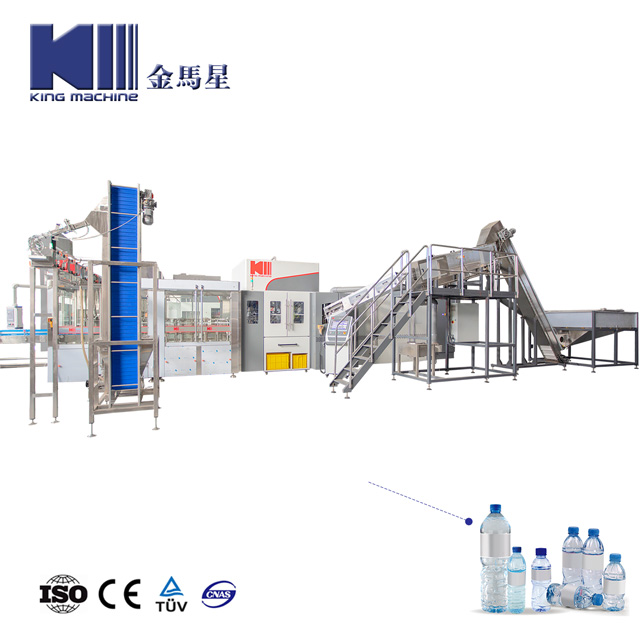
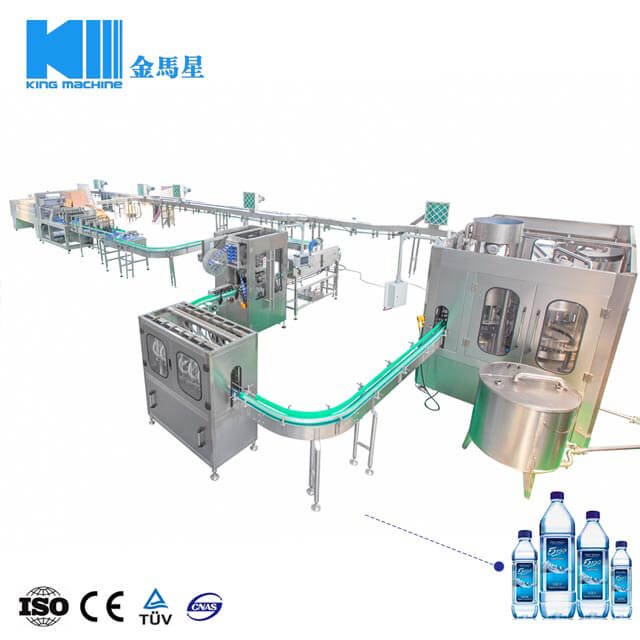
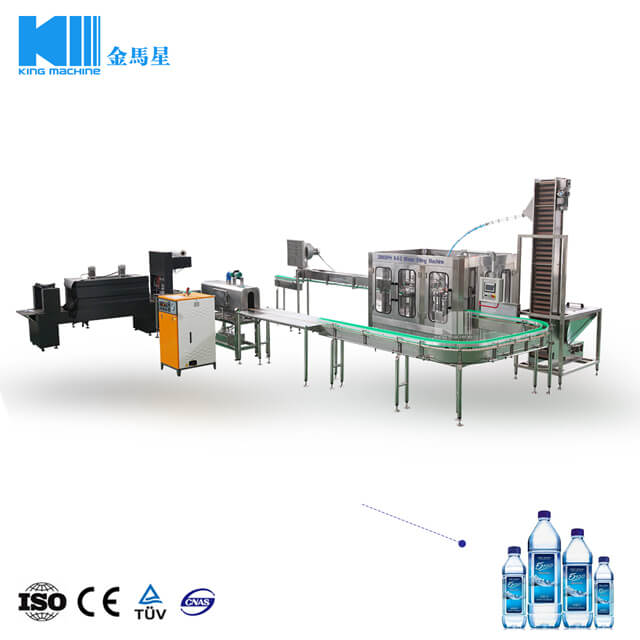
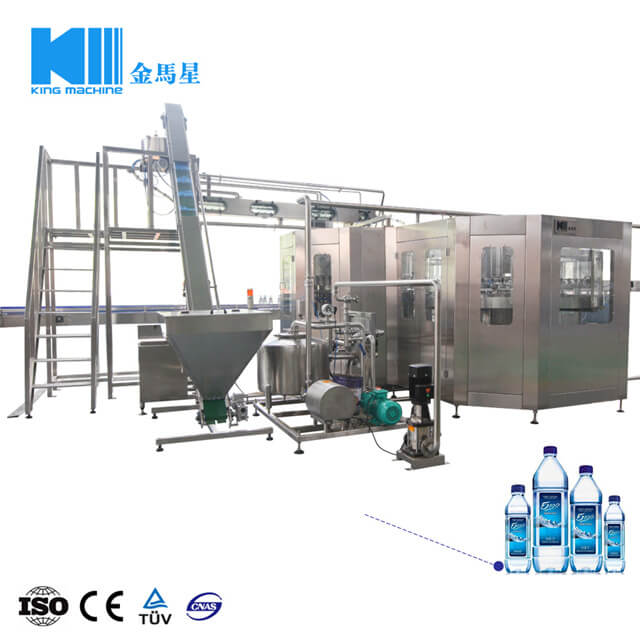
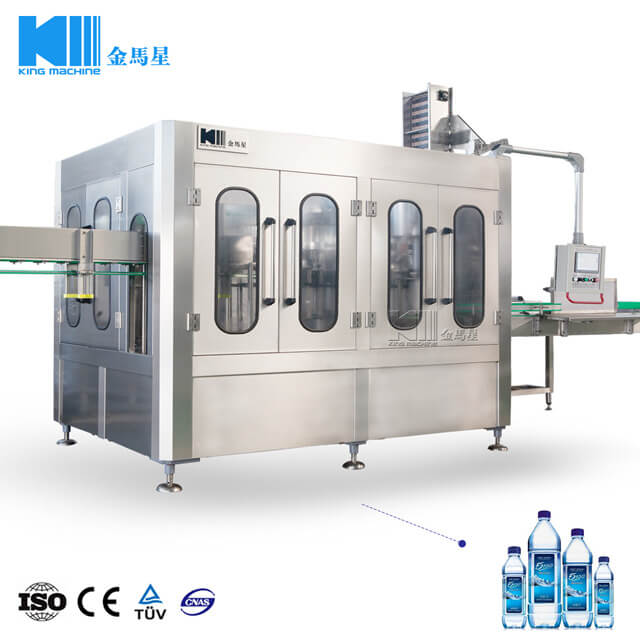
Across the bottled water industry, many manufacturers continue to rely on water filling lines that were installed 10, 15, or even 20 years ago. While these systems may still be operational, aging equipment increasingly struggles to meet today’s demands for higher efficiency, consistent filling accuracy, lower operating costs, and stricter hygiene and compliance standards.
As production volumes grow and market competition intensifies, aging water filling lines often become a bottleneck rather than a competitive asset. Full line replacement is a capital-intensive decision that also involves long lead times and extended downtime. As a result, many bottled water producers are turning to retrofit upgrades as a practical and cost-effective alternative to improve performance without replacing the entire bottled water filling machine.
This article examines the key challenges associated with aging water filling lines and explains how targeted retrofit upgrades can significantly improve efficiency, reliability, and long-term operational performance.
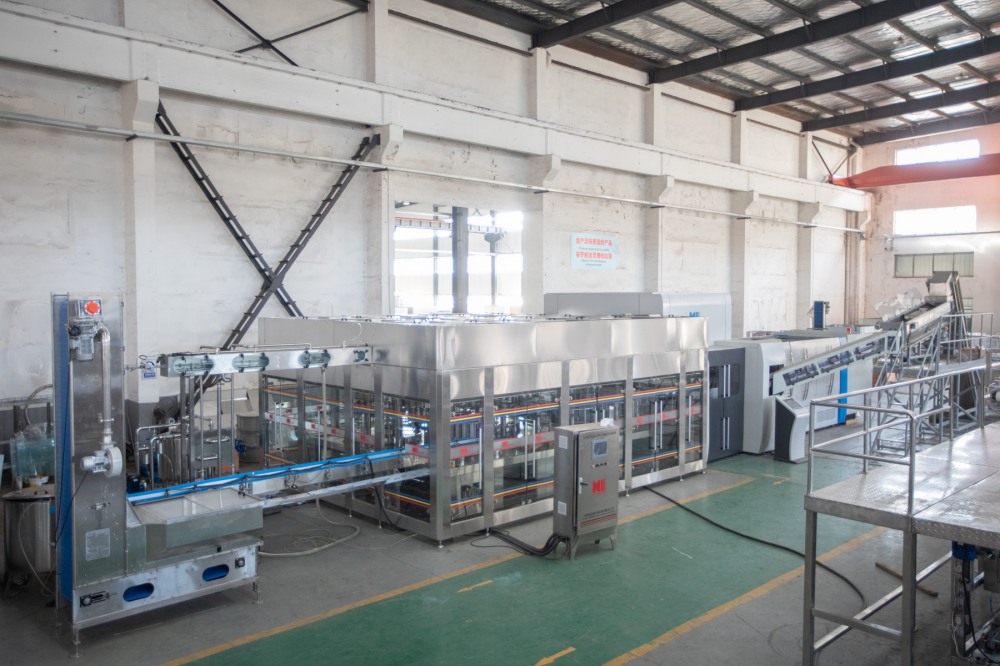
Why Do Water Filling Lines Lose Performance Over Time?
Water filling lines are complex systems composed of mechanical, electrical, and automation components that operate continuously under high-speed conditions. Over time, performance degradation is inevitable due to several factors:
Mechanical wear of filling valves, seals, bearings, and moving parts
Calibration drift in flow meters and volumetric filling systems
Obsolescence of PLCs, HMIs, and control software
Material fatigue affecting hygiene and sealing performance
Even with regular maintenance, aging components gradually lose precision and reliability. This decline directly impacts line efficiency, filling accuracy, water consumption, and maintenance costs, making performance losses more pronounced as the equipment ages.
What Are the Most Common Challenges of Aging Water Filling Lines?
Reduced Throughput and Unstable Line Speed
One of the earliest signs of an aging water filling line is declining throughput. Micro-stoppages, speed fluctuations, and synchronization issues between rinsing, filling, and capping machines reduce overall line efficiency. As a result, the nominal speed of the water bottling line no longer reflects its actual output, leading to lower Overall Equipment Effectiveness (OEE).
Inconsistent Filling Accuracy and Increased Water Waste
Worn filling valves, outdated flow control technology, and unstable pressure conditions often cause overfilling or underfilling. Overfilling increases water loss and packaging costs, while underfilling creates compliance risks and customer dissatisfaction. In high-volume bottled water production, even small deviations can result in significant financial losses over time.
Rising Maintenance Costs and Spare Parts Constraints
As equipment ages, maintenance becomes more frequent and less predictable. Spare parts for legacy bottled water filling machines may be discontinued or have long delivery times, increasing downtime. Maintenance teams also spend more time troubleshooting mechanical failures rather than performing preventive maintenance.
Outdated PLC and Control Systems
Older PLCs and control platforms often lack real-time data visibility, diagnostic tools, and remote access capabilities. This makes it difficult to identify inefficiencies, analyze downtime causes, or integrate the water filling line with modern MES or ERP systems.
Hygiene, Safety, and Regulatory Compliance Risks
Food-grade standards for bottled water production continue to evolve. Aging materials, outdated CIP (Clean-in-Place) designs, and worn sealing components can create sanitation blind spots. This increases the risk of non-compliance during audits and inspections, especially for producers supplying multiple export markets.
How Do Aging Filling Valves and Flow Control Systems Affect Product Quality?
Filling valves and flow control systems are critical to the performance of any water filling machine. As these components wear, they lose their ability to deliver consistent, repeatable fill volumes. Mechanical wear affects valve opening and closing times, while outdated flow meters struggle to maintain accuracy at higher speeds.
The result is inconsistent bottle fill levels, increased rejection rates, and compromised brand image. In competitive bottled water markets, visible fill-level inconsistencies can undermine consumer trust and damage brand credibility.
What Is a Retrofit Upgrade for a Water Filling Line?
A retrofit upgrade involves modernizing selected components of an existing water filling line rather than replacing the entire system. Retrofit projects can be partial or comprehensive, depending on the condition of the equipment and production goals.
Typical retrofit upgrades include:
Replacement of filling valves and nozzles
Upgrading PLCs, HMIs, and control cabinets
Installing modern flow meters and sensors
Adding servo drives and variable frequency drives (VFDs)
Improving CIP systems and hygienic design
The objective of a retrofit is to extend the service life of the bottled water filling machine while achieving performance levels comparable to newer systems.
How Retrofit Upgrades Improve Water Filling Line Performance
How Retrofit Upgrades Increase Line Efficiency and OEE
Modern servo-driven filling systems and optimized motion control significantly improve line synchronization. Retrofit upgrades reduce micro-stoppages, stabilize line speed, and eliminate bottlenecks between equipment modules. As a result, overall line efficiency and OEE increase without raising mechanical stress on the system.
How Modern Filling Technology Improves Accuracy and Reduces Water Loss
By upgrading to electronic flow meters or mass flow filling technology, retrofit projects enable precise, closed-loop control of fill volumes. These systems automatically adjust for pressure and temperature variations, reducing overfilling and water waste. Improved filling accuracy directly lowers operating costs and supports sustainability goals.
Modern PLCs and HMIs provide real-time monitoring, alarms, and performance analytics. Operators gain visibility into production data, downtime causes, and maintenance needs. Automation upgrades also make it easier to integrate the water filling line into smart factory and Industry 4.0 environments.
How Retrofitting Reduces Maintenance Costs and Extends Equipment Life
New modular components are easier to service and replace, reducing maintenance time and spare parts inventory. Predictive maintenance features enabled by sensors and data analytics help identify issues before failures occur. This shifts maintenance from reactive to proactive, lowering total cost of ownership.
Which Water Filling Line Components Are Best Candidates for Retrofitting?
Not all components need to be replaced to achieve meaningful performance gains. The most common retrofit targets include:
Filling valves and nozzles for improved accuracy and hygiene
PLC and HMI systems for enhanced control and data visibility
Electrical cabinets and wiring to improve reliability and safety
Flow meters, sensors, and level detection systems
Servo motors and VFDs to optimize speed and energy consumption
Conveyors and bottle handling systems to reduce jams and misalignment
Targeting these components delivers maximum performance improvement with minimal disruption.
When Should You Retrofit a Water Filling Line Instead of Replacing It?
Retrofitting is typically the best option when:
The mechanical frame and core structure of the line are in good condition
Production capacity is sufficient but efficiency is declining
Spare parts are becoming difficult to source
Budget constraints make full replacement impractical
A detailed technical assessment and cost–benefit analysis can help determine whether retrofitting or replacement offers the better return on investment. In many cases, retrofit upgrades deliver faster payback and significantly shorter downtime.
What Performance Improvements Can Be Expected After Retrofitting?
While results vary by project, typical performance improvements include:
10–30% increase in line throughput
Significant reduction in water loss from overfilling
Lower maintenance frequency and spare parts costs
Improved filling consistency and product quality
Enhanced compliance readiness and audit performance
These improvements strengthen operational stability and competitiveness in the bottled water market.
Conclusion
Aging water filling lines present challenges that directly affect efficiency, cost, and product quality. However, these challenges do not automatically require full line replacement. Retrofit upgrades provide a strategic path to modernize bottled water filling machines, improve performance, and extend equipment life at a fraction of the cost of new installations.
By upgrading critical components such as filling valves, automation systems, and flow control technology, manufacturers can achieve measurable gains in productivity, accuracy, and reliability while minimizing downtime and capital expenditure.
For bottled water producers seeking a balance between performance improvement and investment efficiency, retrofit upgrades represent a practical, future-ready solution—supported by the engineering expertise and proven filling technology of King Machine.