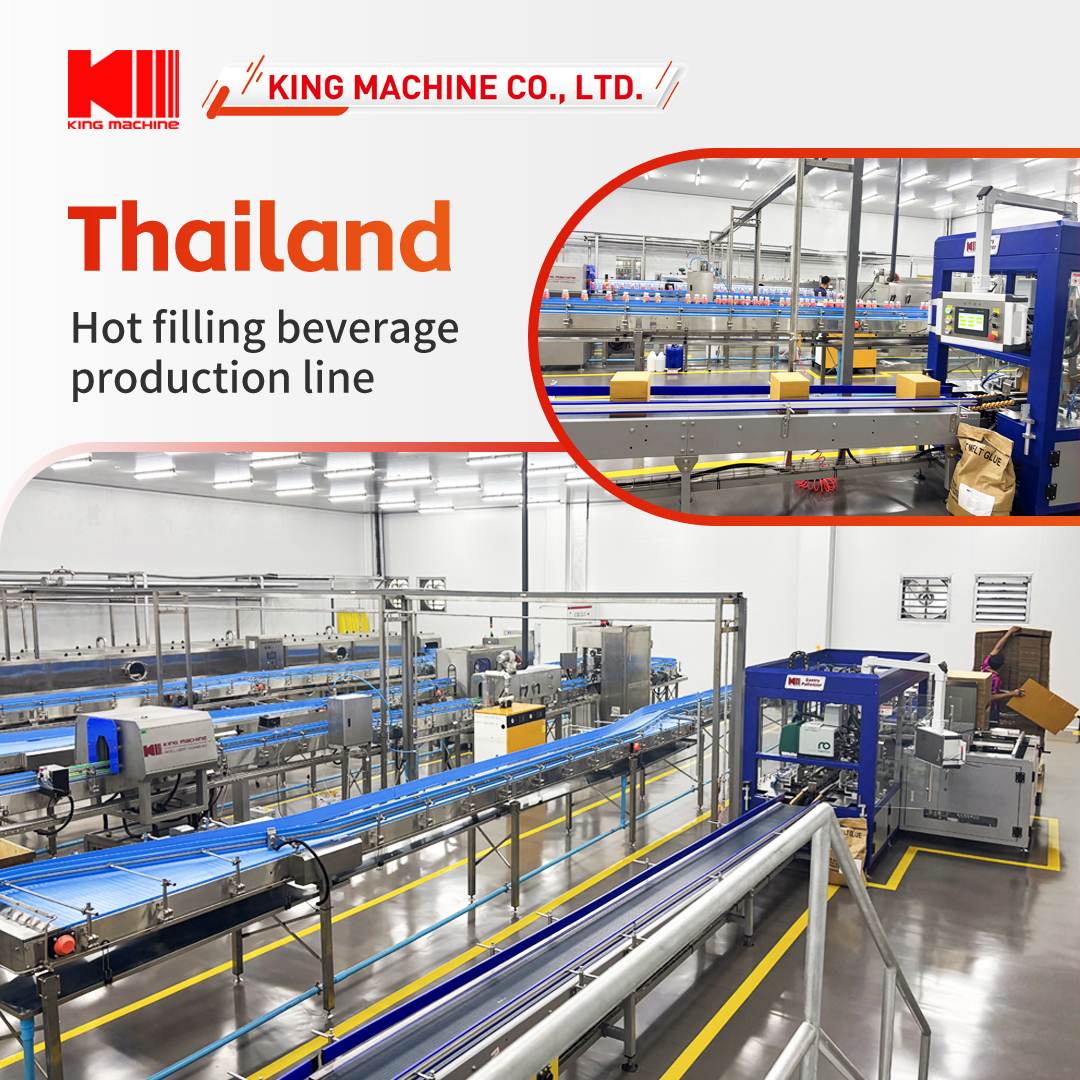
As global demand for packaged beverages continues to rise, juice manufacturers face a critical decision when setting up or upgrading production lines: should they invest in a hot juice filling machine or an aseptic juice filling machine?
Both technologies are widely used in the beverage industry, yet they differ significantly in structure, working principle, investment cost, and application scope. Choosing the right system directly impacts product shelf life, packaging design, production efficiency, and overall return on investment.
This article provides a comprehensive comparison to help beverage producers understand the key differences and determine which solution best fits their business strategy.
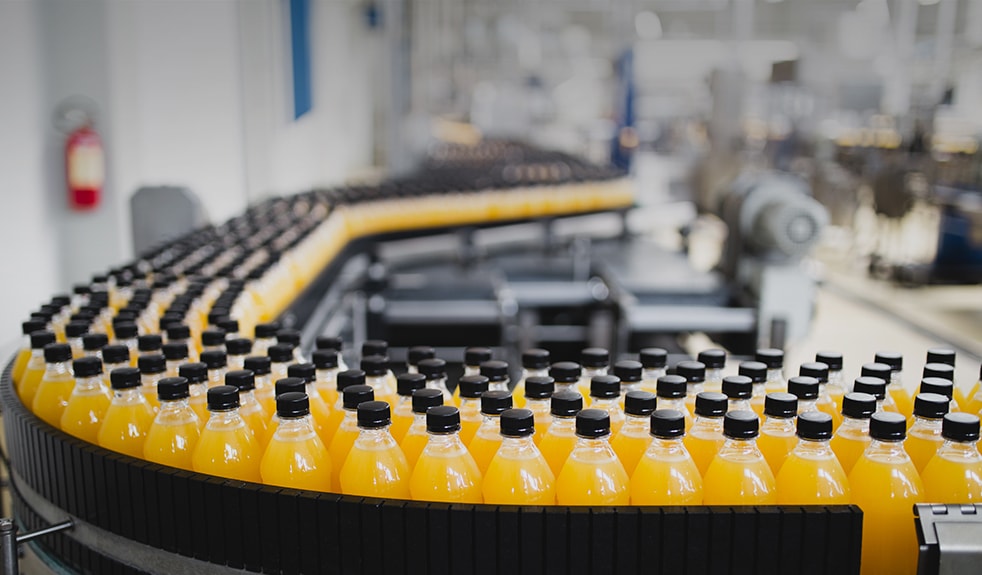
What Is a Hot Juice Filling Machine?
A hot juice filling machine is designed to fill juice into bottles at elevated temperatures, typically between 85°C and 95°C. The high temperature sterilizes both the beverage and the interior of the container, ensuring microbial safety without requiring a fully sterile filling environment.
Working Principle of a Hot Juice Filling Machine
The process follows several steps:
Product Heating
The juice is heated to sterilization temperature using a pasteurization or heat exchange system.
High-Temperature Filling
The hot liquid is filled into the bottle using a gravity or micro-pressure filling system.
Bottle Inversion (Optional)
After capping, bottles may be inverted briefly to sterilize the cap interior.
Cooling Process
Bottles pass through a cooling tunnel to gradually reduce temperature and prevent deformation.
This process makes the hot juice filling machine particularly suitable for acidic beverages.
Typical Applications
Hot filling is ideal for:
Mango juice filling machine production lines
Litchi juice filling machine applications
Citrus juice
Tea beverages
High-acid fruit drinks (pH < 4.5)
Key Features
Often configured as a 3-in-1 monoblock (rinsing–filling–capping)
Heat-resistant PET bottle compatibility
Relatively simple mechanical structure
Mature and stable technology
For many manufacturers, a bottle juice filling machine using hot filling technology offers a cost-effective and reliable solution.
What Is an Aseptic Juice Filling Machine?
An aseptic juice filling machine operates under sterile conditions, allowing beverages to be filled at ambient temperature while maintaining commercial sterility.
Unlike hot filling, aseptic filling separates sterilization of the product and packaging from the filling process.
Working Principle of an Aseptic Juice Filling Machine
The aseptic process includes:
UHT Sterilization of Product
Juice is sterilized using Ultra High Temperature (UHT) treatment.
Bottle and Cap Sterilization
Bottles and caps are sterilized using hydrogen peroxide or other sterilizing agents.
Sterile Environment Filling
Filling occurs in an enclosed sterile chamber with filtered air protection.
Sealing Under Sterile Conditions
Caps are applied in a contamination-free environment.
Because the filling occurs at room temperature, aseptic systems allow greater flexibility in packaging materials.
Typical Applications
Aseptic systems are suitable for:
Low-acid juices
Dairy-based beverages
Functional drinks
Premium export beverages
Key Features
Clean-room or sterile chamber design
High-level automation
Advanced sterilization control systems
Lightweight bottle compatibility
An automatic juice filling machine with aseptic technology offers extended shelf life without the need for refrigeration.
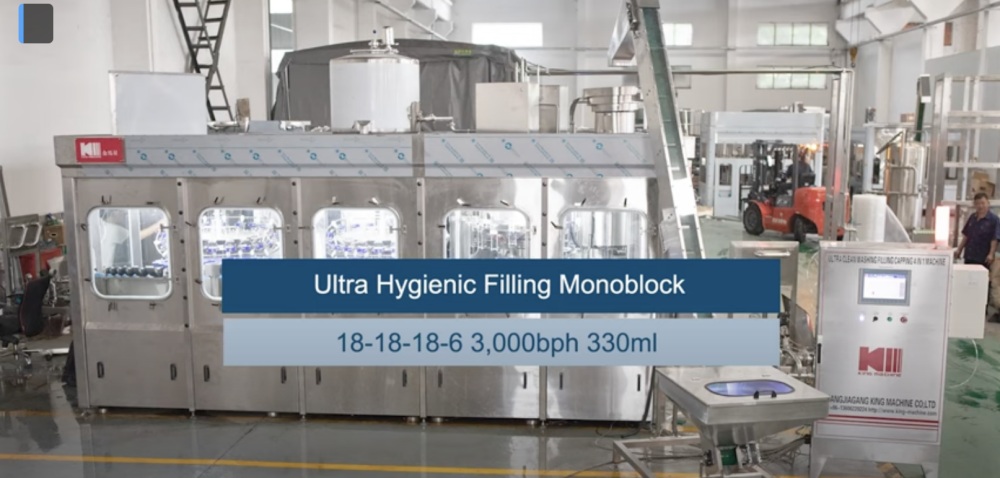
Technical Comparison: Hot Filling vs. Aseptic Filling
Understanding the differences between these two systems is essential for investment planning.
1. Filling Temperature
Hot juice filling machine: High-temperature filling (85–95°C)
Aseptic juice filling machine: Ambient-temperature filling in sterile environment
2. Bottle Requirements
Hot filling requires heat-resistant PET bottles with reinforced structure.
Aseptic filling allows lightweight PET bottles since no high heat is applied during filling.
3. Shelf Life
Hot filling typically provides 6–12 months shelf life for acidic beverages.
Aseptic filling can achieve extended shelf life for both low-acid and high-acid products.
4. Product Compatibility
Hot filling is best for acidic juices like mango and litchi.
Aseptic filling accommodates a wider range of beverages, including dairy-based drinks.
5. Equipment Complexity
Hot filling systems have relatively simpler mechanical structures.
Aseptic systems are highly complex, requiring sterile chambers and precise environmental control.
6. Energy Consumption
Hot filling consumes more thermal energy due to heating and cooling stages.
Aseptic filling consumes energy for sterilization systems and air filtration.
Investment and Operating Cost Comparison
Initial Equipment Investment
Hot juice filling machine: Lower capital investment, making it suitable for startups and mid-sized producers.
Aseptic juice filling machine: Higher initial investment due to sterile systems and UHT integration.
Operating Costs
Hot filling systems involve:
Steam consumption
Cooling water usage
Slightly heavier bottle materials
Aseptic systems involve:
Hydrogen peroxide sterilization systems
Air filtration systems
Strict maintenance requirements
Although aseptic systems have higher initial costs, they may support premium pricing strategies in certain markets.
Production Line Configuration Differences
Hot Filling Line Includes:
Juice processing system
3-in-1 bottle juice filling machine
Bottle inversion unit
Cooling tunnel
Labeling and packaging systems
Aseptic Filling Line Includes:
UHT sterilizer
Aseptic buffer tank
Sterile filling machine
Clean-room or sterile chamber
Bottle sterilization unit
The aseptic line typically requires more space and more sophisticated infrastructure.
Advantages and Disadvantages
Hot Juice Filling Machine
Advantages:
Lower investment cost
Mature and proven technology
Easier maintenance
Ideal for mango juice filling machine and litchi juice filling machine lines
Disadvantages:
Limited to high-acid beverages
Heavier bottle design required
Higher thermal energy consumption
Aseptic Juice Filling Machine
Advantages:
Suitable for low-acid beverages
Longer shelf life
Lightweight bottle compatibility
Premium market positioning
Disadvantages:
Higher capital investment
Complex operation
Strict sterilization management required
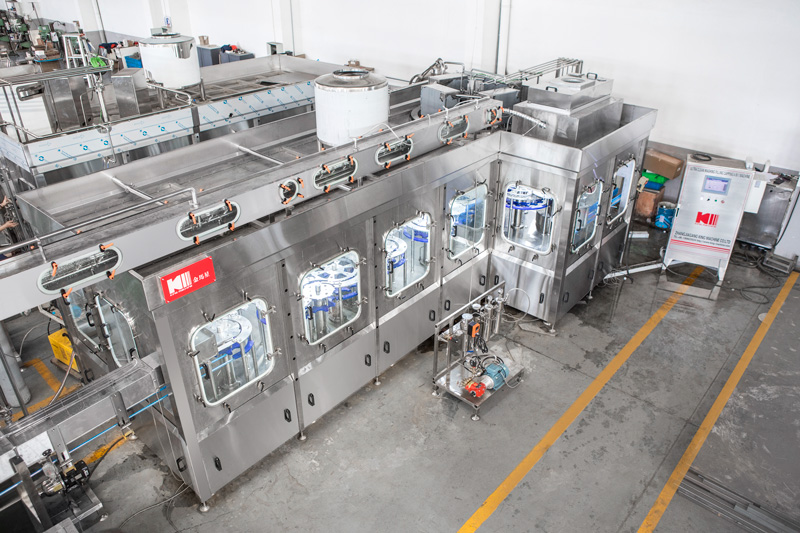
Which Solution Is Right for Your Business?
Choosing between a hot juice filling machine and an aseptic juice filling machine depends on several factors:
Product type (acidic vs. low-acid)
Target market positioning
Budget constraints
Production capacity requirements
Long-term brand strategy
For startups or manufacturers focusing on high-acid fruit juices, a hot filling solution often provides the best balance between cost and performance.
For premium beverage brands, export-focused companies, or producers of dairy-based drinks, aseptic technology may offer greater flexibility and market value.
Conclusion
Both the hot juice filling machine and the aseptic juice filling machine offer distinct advantages depending on production needs and market goals. Hot filling is a cost-effective and stable solution for acidic beverages such as mango and litchi juice, while aseptic filling provides flexibility and extended shelf life for a broader range of products.
Carefully evaluating product type, budget, and long-term strategy will help manufacturers select the most suitable automatic juice filling machine for their operations.
With extensive experience in beverage equipment manufacturing, King Machine provides advanced bottle juice filling machine solutions, including both hot filling and aseptic systems. By combining technical expertise with customized production line design, King Machine supports juice producers worldwide in achieving efficient, reliable, and high-quality beverage production.