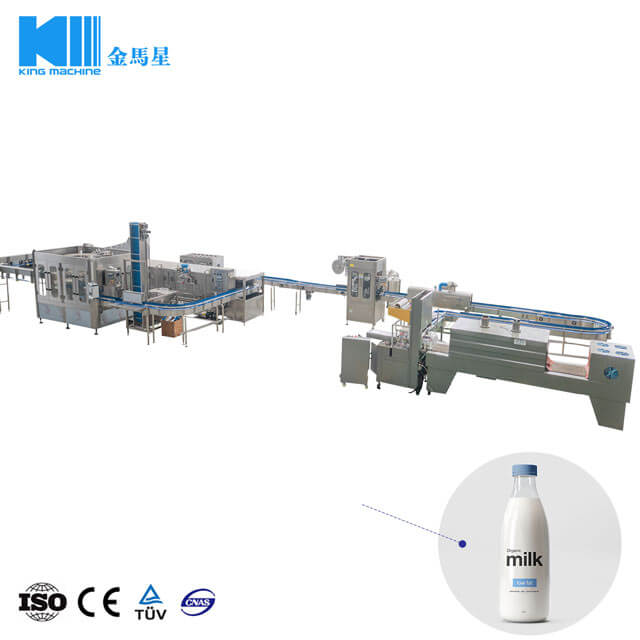
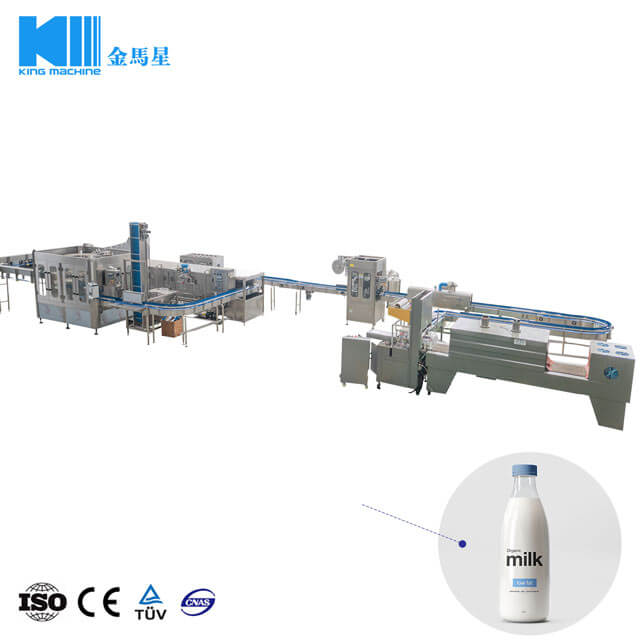
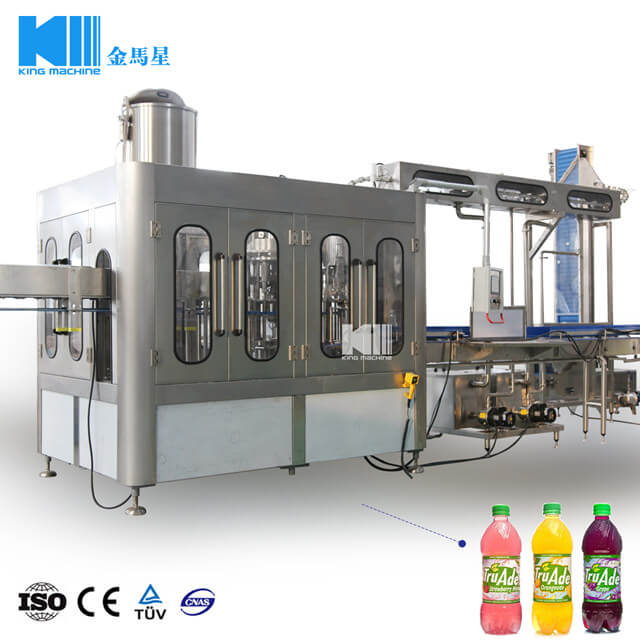
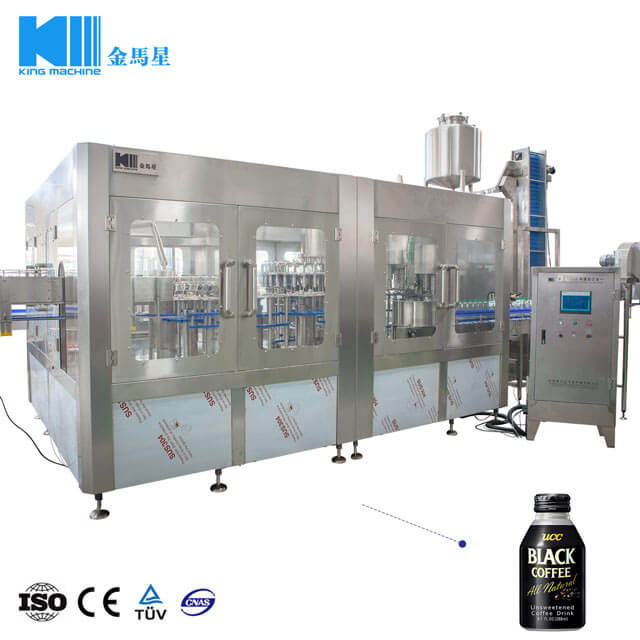
Aseptic beverage filling helps beverage manufacturers maintain product safety and extend shelf life by filling products into sterilized packaging under controlled conditions. Consistent performance depends on effective sterilization, accurate filling, reliable sealing, and proper control of the filling environment. When these processes work together, manufacturers can protect product quality and maintain stable production.
However, aseptic filling operations can encounter problems such as contamination, sealing failure, inaccurate filling, blockages, and unexpected equipment downtime. These issues may lead to product loss, production interruptions, and reduced packaging integrity. Identifying the underlying causes is essential to resolving faults and preventing them from recurring.
This article examines common problems in aseptic filling systems, explains their potential causes, and outlines practical troubleshooting steps. It also covers preventive maintenance, process control, and when professional support may be needed to maintain reliable operation.
1. Understanding Aseptic Filling Problems
How It Works
To understand what is aseptic filling, it helps to look at its core purpose: filling products into sterilized packaging under controlled conditions while maintaining the required level of sterility. The process typically involves:
Product treatment: Reducing microorganisms through an appropriate process.
Packaging sterilization: Preparing containers and packaging materials for filling.
Filling and sealing: Filling the product in a controlled environment and securely sealing the package.
Specific methods vary with the product, packaging material, and equipment design.
Why Problems Occur
Aseptic filling problems may result from equipment faults, incorrect process parameters, packaging defects, inadequate hygiene control, or operator errors. These factors can also be interconnected. For example, a sealing failure may compromise package integrity and weaken the sterile barrier, increasing the risk of contamination. Identifying the root cause is essential for effective troubleshooting and prevention.
2. Common Problems and Their Root Causes
Aseptic filling systems can experience faults at several stages, from sterilization to packaging and equipment operation. Identifying the source of each problem helps prevent repeated failures and unnecessary production downtime.
Common Faults
Problem | Possible Causes | Initial Checks |
Contamination | Incomplete sterilization, damaged sterile barriers, poor hygiene | Sterilization records and environmental monitoring |
Leakage | Worn seals, incorrect sealing settings, packaging defects | Seal condition and package integrity |
Filling errors | Sensor drift, pressure fluctuations, flow irregularities | Calibration, filling heads and pressure |
Foaming or blockage | Product properties, unstable flow, obstructed channels | Product condition and filling paths |
Mechanical or control faults | Component wear, sensor failure, incorrect settings | Alarm records, drives and control parameters |
Prevention Priorities
Although these problems have different causes, several preventive measures apply across the process:
Follow validated procedures: Maintain required sterilization and hygiene conditions.
Inspect critical components: Check seals, sensors and moving parts for wear or damage.
Monitor operating parameters: Track relevant pressure, flow and filling measurements.
Keep accurate records: Document recurring alarms, defects and maintenance findings to help identify patterns.
A single fault may affect other stages. For example, sealing failure can compromise package integrity and increase contamination risk. Troubleshooting should therefore consider both the immediate fault and its potential impact on product safety.
3. A Practical Troubleshooting Process
Effective aseptic filling machine troubleshooting requires a controlled process. Do not restart production simply because a fault has disappeared. First assess product safety and confirm that the system is ready to operate.
Key Steps
Step | Action | Goal |
Assess | Stop affected operations, isolate potentially affected products, and record alarms. | Control immediate risks |
Inspect | Compare sterilization, filling, and sealing parameters with normal records; check relevant components. | Identify the root cause |
Correct | Adjust verified settings, clean the system, or replace faulty parts as appropriate. | Resolve the fault |
Verify | Complete applicable functional checks and required sterility or package-integrity assessments. | Confirm readiness to restart |
Document | Record findings, corrective actions, and verification results. | Prevent recurrence |
Before Restarting
Follow site procedures and equipment instructions throughout troubleshooting. If sterility may have been compromised, production should resume only after the issue has been assessed and the required corrective actions and verification are complete.
4. Preventive Maintenance and Process Control
A structured maintenance plan helps aseptic filling equipment operate consistently and reduces the risk of recurring faults. Maintenance frequency should follow equipment manuals, operating conditions, and risk assessments.
Routine Maintenance
Inspect filling nozzles, seals, sensors, moving parts, and alarm records.
Schedule calibration, component replacement, and performance checks as required.
Cleaning and Validation
CIP (cleaning in place) removes product residues and soils, while SIP (sterilization in place) targets microbial control. They serve different purposes and are not interchangeable. Follow system-specific procedures and verify critical parameters. Environmental controls, such as HEPA filtration or positive pressure, depend on the system design.
5. When to Seek Expert Support
Warning Signs
Seek professional assistance when recurring contamination risks remain unresolved, filling or sealing faults repeatedly disrupt production, or required validation and package-integrity checks fail. Changes to products, packaging materials, or critical process conditions may also require a technical review before production resumes.
Choosing a Supplier
When evaluating aseptic filler suppliers, consider their relevant beverage production experience and ability to support your specific system. Look for:
Technical expertise: Experience with the required filling process and packaging format.
Clear responsibilities: Defined equipment scope, technical documentation, and commissioning arrangements.
Ongoing support: Appropriate maintenance guidance, spare parts, and operator training.
Troubleshooting capability: A clear approach to fault diagnosis and verification, with responsibilities for validation explicitly defined.
Choose a supplier whose capabilities match your production requirements. Clear technical support and defined responsibilities can help resolve complex issues and reduce the risk of recurring downtime.
Training and Records
Train operators to recognize abnormalities and follow hygiene and troubleshooting procedures.
Maintain records of cleaning, sterilization, calibration, maintenance, and corrective actions.
These records help identify recurring problems and demonstrate whether required procedures have been completed.
Conclusion
Common problems in an aseptic filling line can involve contamination, sealing failures, inaccurate filling, flow disruptions, and equipment malfunctions. Resolving these issues requires identifying root causes, following applicable verification procedures, maintaining equipment regularly, and training operators to recognize abnormalities. Even after a mechanical fault is corrected, production should resume only when required process conditions and quality checks have been satisfied.
With years of experience in the PET plastic packaging industry, King Machine has supplied more than 1,000 beverage filling lines to over 90 countries. If you are planning a new line or addressing production challenges, contact King Machine to discuss your beverage production requirements and find a suitable filling line solution.