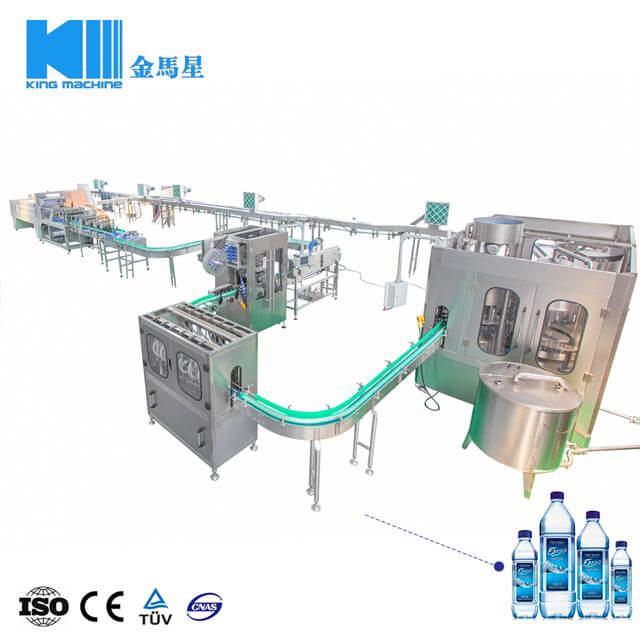
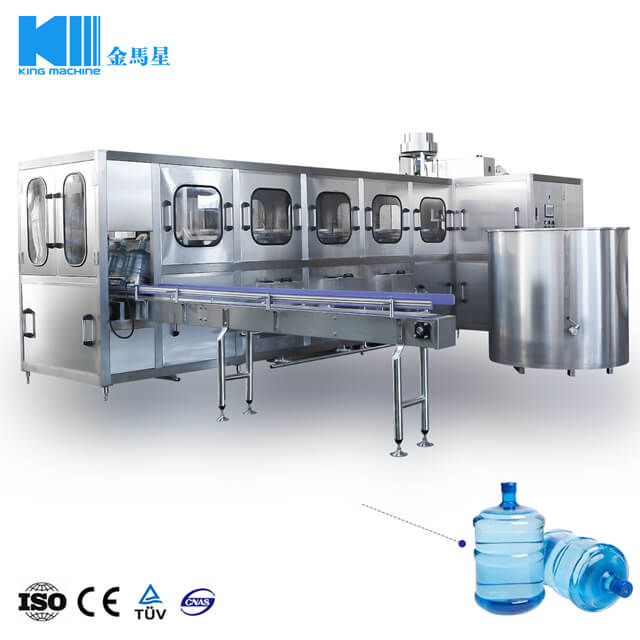
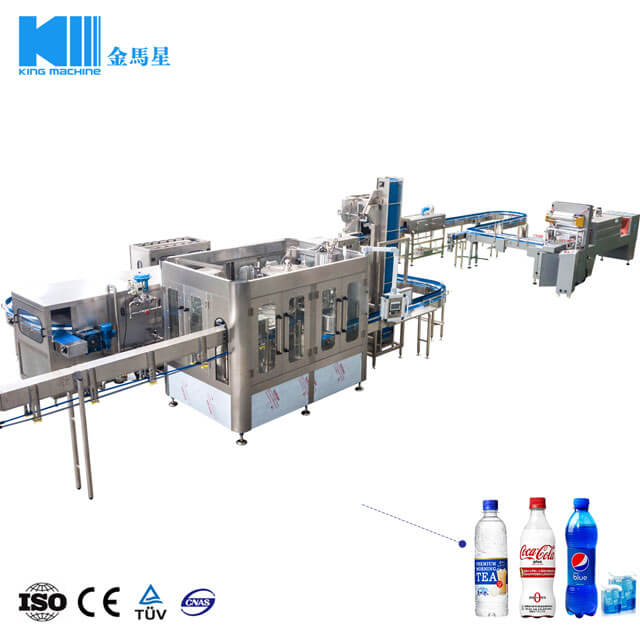
A beverage production line involves more than filling bottles. From water treatment and ingredient preparation to container handling, filling, capping, and final packaging, each stage must work together to keep production running smoothly. For example, a water production line needs coordinated processes to maintain water quality and deliver bottles efficiently to downstream packaging equipment.
Building a complete production line requires careful planning. Equipment compatibility, production capacity, hygiene requirements, and available factory space all affect system performance. The line must also accommodate product changes and future demand without creating unnecessary bottlenecks or operational costs.
This article explains what a complete turnkey beverage production line includes, how its main stages connect, and how configurations differ across beverage types. It also covers the benefits of equipment integration and the key factors to consider when selecting and implementing a suitable production line.
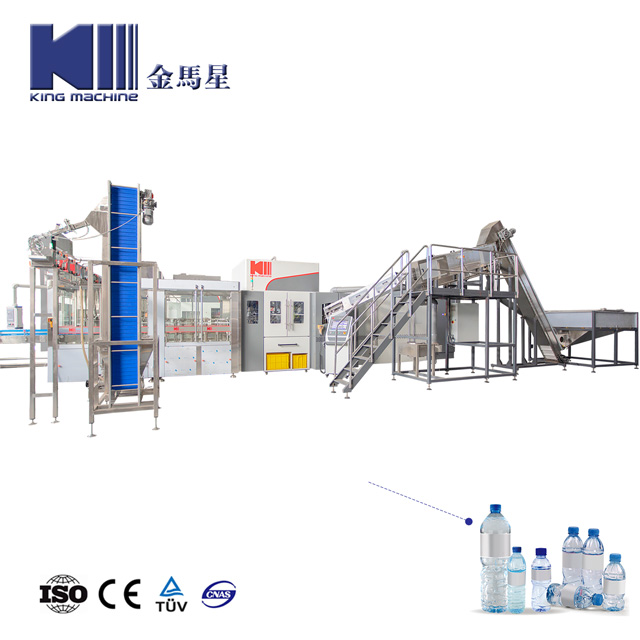
1. What Is a Turnkey Beverage Production Line?
A turnkey beverage production line integrates equipment, processes, and controls according to product type, output targets, and packaging needs. Unlike a beverage bottling line, which focuses on container handling, filling, capping, and packaging, a complete system may also include water treatment, ingredient blending, and carbonation.
Turnkey vs. Separate Purchases
A turnkey project coordinates equipment interfaces, commissioning, and technical support under an agreed scope. Separate purchases offer more flexibility in supplier selection but may require additional effort to coordinate machines and resolve integration issues.
Factor | Turnkey System | Separate Purchases |
Equipment coordination | Centrally coordinated | Managed across suppliers |
Commissioning | Defined project responsibilities | Responsibilities may be divided |
After-sales support | Based on contract scope | Multiple service contacts |
A Combiblock solution integrates bottle blowing, filling, and capping in one system. It is a specific equipment configuration, not a complete beverage production line.
2. From Water Treatment to Palletizing
A complete beverage production line connects preparation, filling, and packaging into a coordinated process. The configuration depends on the beverage, container, and required output.
Main Production Stages
Stage | Equipment Examples | Main Purpose |
Water treatment | Filters, water treatment systems | Meet product water requirements |
Ingredient preparation | Mixing tanks, dosing systems | Prepare ingredients to the required recipe |
Blending and cooling | Blenders, carbonators, coolers | Mix beverages and adjust carbonation or temperature when needed |
Container preparation | PET blow molding machines, bottle unscramblers | Produce or organize containers |
Filling and capping | Rinsing, filling, and capping machines | Fill bottles and seal them |
Labeling and inspection | Labelers, coding and inspection systems | Identify products and check packaging |
Final packaging | Shrink wrappers, cartoners, palletizers | Prepare products for storage and transport |
Cleaning and Controls
CIP systems can clean compatible equipment, while PLCs, HMIs, and sensors support process control and monitoring where installed.
A water filling line must balance filling speed with downstream packaging capacity. Otherwise, bottlenecks can cause product accumulation or unnecessary stoppages.
3. Configure by Beverage Type
Different beverages require different processing and filling conditions. The right configuration depends on product properties, container design, and output targets.
Water and Carbonated Drinks
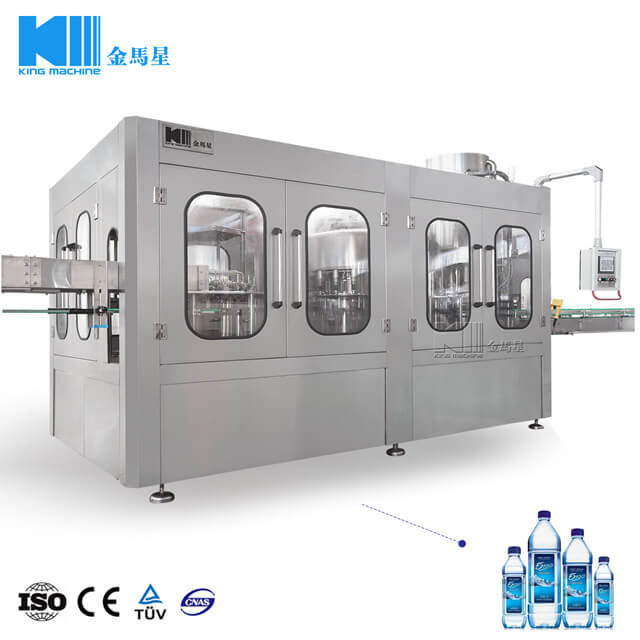
A Combiblock Water Filling Machine can integrate PET bottle blowing, filling, and capping for suitable bottled-water applications. Carbonated drinks require additional attention to carbonation, temperature, and pressure during filling to retain CO₂ and maintain stable operation.
Juice, Tea, and Packaging Options
Application | Typical Configuration | Key Considerations |
Still and mineral water | Water treatment, PET bottle handling, filling, capping | Bottle neck, cap type, output |
Carbonated drinks | Blending, carbonation, pressure filling, capping | CO₂ retention, temperature |
Juice and tea | Product preparation, suitable filling process, cleaning | Recipe, heat sensitivity, hygiene |
PET bottles, glass bottles, and cans | Container-specific handling, filling, sealing, packaging | Container compatibility, conveying, closure |
Hot filling, cold filling, and CIP requirements vary by product and process. Not every juice or tea needs the same treatment. Likewise, PET bottles, glass bottles, and cans require different handling and sealing equipment, so container choice should be confirmed before line design.
4. Benefits of Integration
An integrated production line connects individual machines into a coordinated system. A blowing filling capping machine can synchronize these core processes, but downstream equipment must also match the required line speed.
Key Benefits
Area | Practical Benefit |
Equipment coordination | Balances filling, labeling, packaging, and palletizing to reduce bottlenecks |
Project management | Clarifies equipment interfaces and responsibilities across suppliers |
Daily operations | Supports consistent procedures, cleaning schedules, and operator training |
Maintenance | Simplifies spare-parts planning and service coordination |
Capacity planning | Uses OEE, changeover time, and utility requirements to assess actual output |
Future expansion | Allows capacity and total cost of ownership (TCO) to guide investment decisions |
Integration does not automatically guarantee lower costs or faster commissioning. Its value depends on system design, supplier responsibilities, and production requirements. Planning around actual demand helps avoid unnecessary investment and capacity imbalances.
5. Choosing the Right Turnkey Line
Successful implementation starts with clear production requirements and a realistic assessment of factory conditions.
Factor | What to Confirm |
Products and output | Beverage types, bottle sizes, caps, shifts, and future demand |
Layout and utilities | Available space, water, power, compressed air, and cooling |
Line balance | Bottlenecks, changeover time, cleaning, and downtime |
Automation | Monitoring, recipe control, and format flexibility |
Project delivery | Design, testing, installation, acceptance, and training |
Supplier support | Relevant experience, documentation, spare parts, and after-sales service |
A water packaging line must match upstream filling output to conveying, labeling, and final packaging capacity. Otherwise, bottlenecks can reduce actual production.
Before purchasing, confirm the supplier's responsibilities, acceptance criteria, and applicable compliance requirements for the target market. Certifications and standards should be verified for the specific equipment and application rather than assumed to apply to every production line.
6. Beverage Line Solutions
PET Packaging Experience
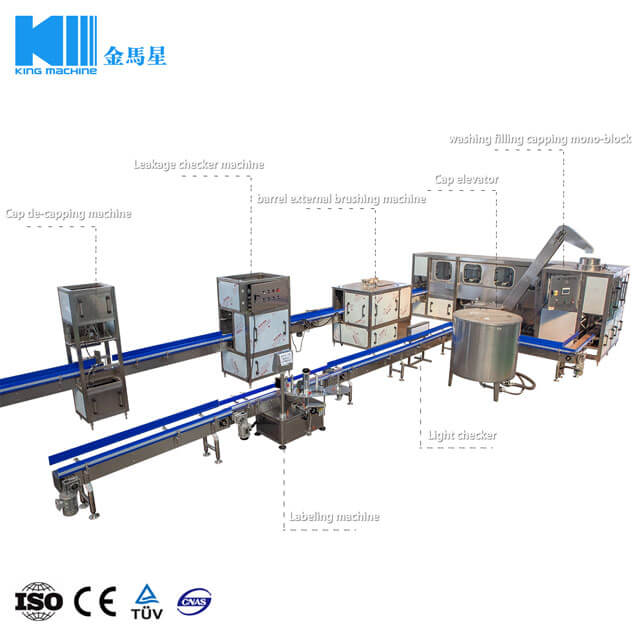
With years of experience in the PET plastic packaging industry, King Machine provides beverage filling equipment and production line solutions tailored to different manufacturing needs. A suitable configuration depends on the beverage, container specifications, and required output.
Global Project Experience
King Machine has supplied more than 1,000 beverage filling lines to over 90 countries. This experience provides a foundation for discussing production requirements across different markets and operating environments.
Find the Right Configuration
When planning a new line or upgrading existing equipment, consider:
Beverage type and processing requirements
Bottle size, shape, and closure
Target output and factory layout
A blow fill cap machine may suit applications requiring integrated PET bottle blowing, filling, and capping, subject to the specific equipment configuration.
Conclusion
A complete turnkey beverage production line connects water treatment, ingredient preparation, container handling, filling, capping, and final packaging into one coordinated system. Choosing the right solution requires more than comparing machine speeds or purchase prices. Actual output, product requirements, line balance, factory conditions, and long-term operating costs all influence production efficiency and investment value. For PET bottled water, a Combiblock Line may integrate bottle blowing, filling, and capping as part of the overall configuration.
With years of experience in PET plastic packaging and more than 1,000 beverage filling lines supplied to over 90 countries, King Machine can discuss solutions for different production needs. Contact King Machine to discuss your output targets and equipment requirements.