NewsSite EditorSite/uploads/image/694e24f48271f.pngThis article explores how food-grade hygiene design is implemented in water filling lines, explains the principles of aseptic filling, and details how CIP cleaning processes ensure long-term safety and compliance.
Food-Grade Hygiene Design in Water Filling Lines: Aseptic Filling and CIP Cleaning Processes
Views: 638Author: Site EditorPublish Time: 2025-12-25Origin: Site
In bottled water production, hygiene is not simply a quality requirement—it is a fundamental safety obligation. Consumers expect bottled water to be clean, safe, and free from microbiological or chemical contamination. At the same time, regulatory bodies worldwide impose increasingly strict standards on food-grade production environments. As a result, hygiene design has become one of the most critical considerations when designing or upgrading a water filling line.
A modern water filling machine must do more than accurately fill bottles at high speed. It must be engineered to prevent contamination, allow effective cleaning, and maintain a controlled hygienic environment throughout production. Two key technologies play a central role in achieving these goals: aseptic filling systems and CIP (Clean-In-Place) cleaning processes.
This article explores how food-grade hygiene design is implemented in water filling lines, explains the principles of aseptic filling, and details how CIP cleaning processes ensure long-term safety and compliance.
1. Understanding Food-Grade Hygiene Standards in Water Filling
Key International Hygiene and Safety Standards
Water filling lines must comply with a range of international and regional standards, depending on the target market. Commonly referenced guidelines include FDA regulations, ISO standards, EHEDG hygienic design principles, and other food safety frameworks. These standards influence the design of water filling machines, material selection, surface finishes, and cleaning procedures.
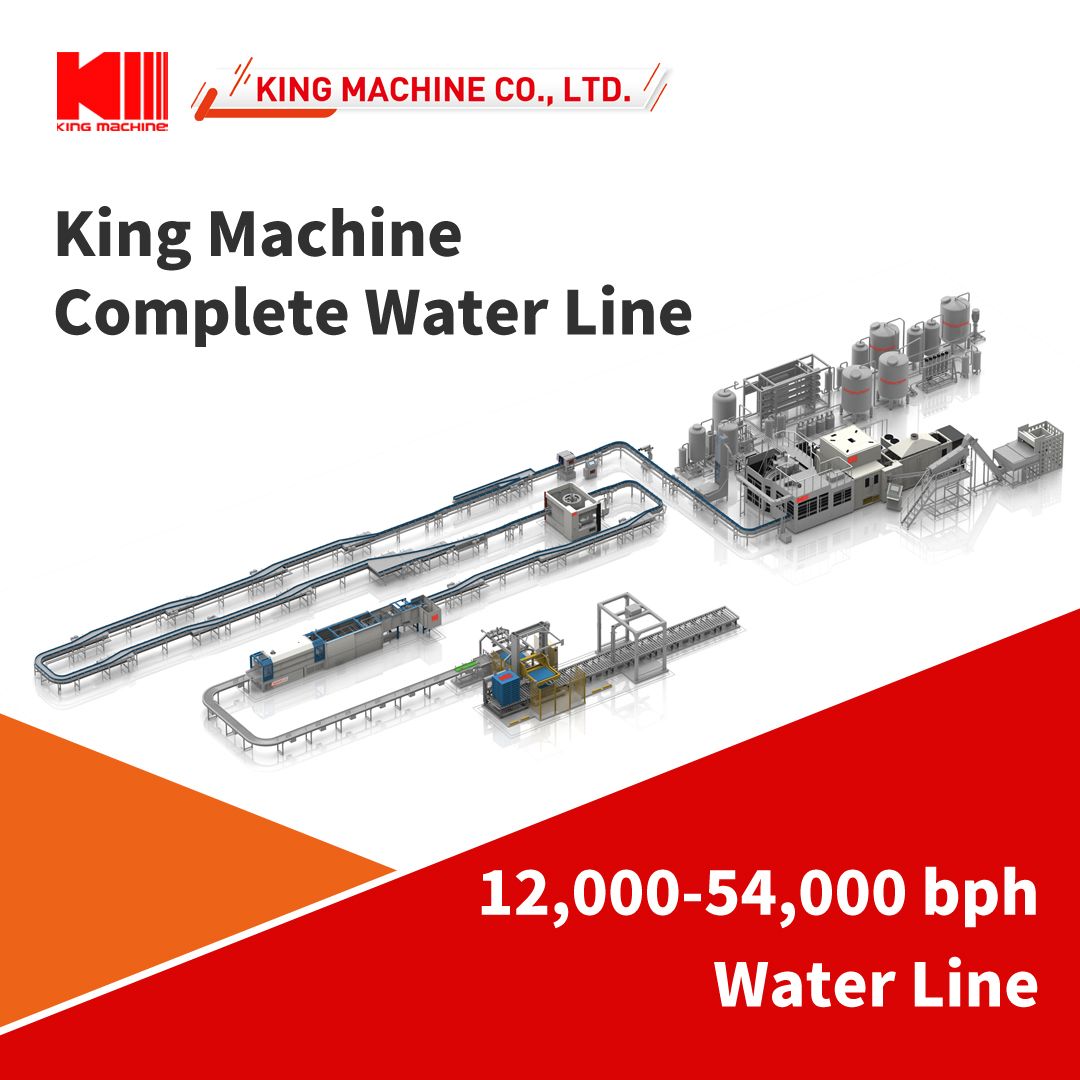
Compliance is not limited to the filling machine itself. Conveyors, tanks, piping, and even the surrounding environment must meet food-grade hygiene requirements.
Hygienic Design Principles
At the core of hygienic equipment design are several key principles:
Cleanability: All product-contact surfaces must be easy to clean and sanitize.
Drainability: Equipment should be designed so that liquids do not accumulate after cleaning.
Accessibility: Critical components should be accessible for inspection and maintenance.
Elimination of dead zones: Areas where product or cleaning solution can stagnate must be avoided.
These principles are fundamental to both conventional and aseptic water filling machines.
2. Sources of Contamination in Water Filling Lines
Understanding contamination risks is essential to designing effective hygiene solutions. In water filling lines, contamination can originate from multiple sources:
Microbial contamination, including bacteria, yeast, and mold
Particulate contamination, such as dust or packaging debris
Chemical contamination, from cleaning agents or lubricants
Airborne contamination is a particular concern in filling areas, especially when bottles and caps are exposed. Without proper hygiene design, even treated water can become contaminated during filling.
3. Aseptic Filling Technology Explained
What Is Aseptic Filling?
Aseptic filling is a technology designed to fill sterile products into sterile containers within a sterile environment. Unlike conventional filling, which relies on water treatment alone, aseptic filling focuses on maintaining sterility throughout the entire filling process.
It is important to distinguish between:
Conventional filling, suitable for basic water products
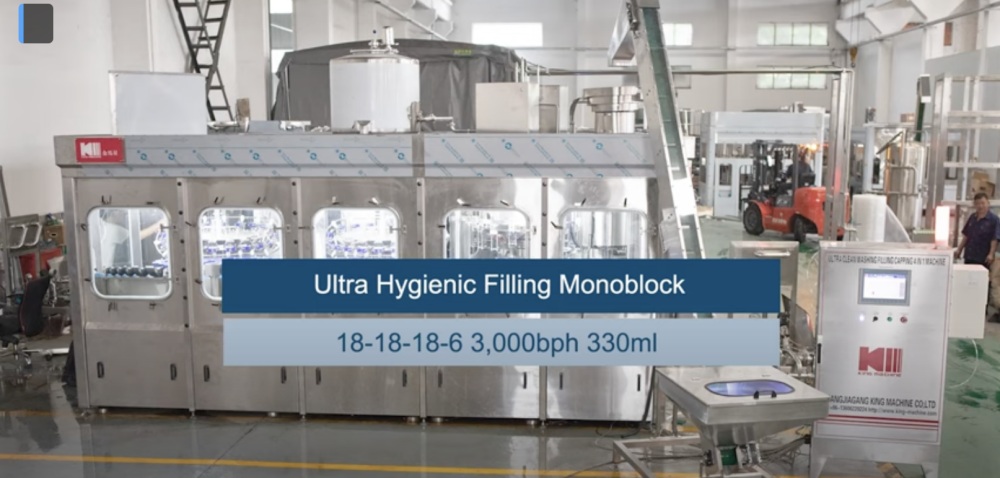
Ultra-clean filling, which reduces microbial risk but is not fully sterile
Aseptic filling, which provides the highest level of hygiene
Aseptic filling systems are increasingly used in premium bottled water and products requiring extended shelf life.
Core Components of an Aseptic Water Filling Line
An aseptic water filling line typically includes:
Sterile air supply systems
Bottle and cap sterilization units
Aseptic filling valves
Enclosed filling environments
Each component must work together to prevent recontamination after sterilization.
Aseptic Zone Design and Environmental Control
The aseptic zone is the heart of the system. It is maintained under positive pressure using HEPA-filtered sterile air. This ensures that any air movement flows outward, preventing unfiltered air from entering the filling area.
Precise airflow control, pressure monitoring, and sealing are essential to maintaining aseptic conditions in high-speed water filling machines.
4. Aseptic Filling Process for Bottled Water
Aseptic water filling involves several tightly controlled steps:
Bottle sterilization, often using chemical agents or alternative non-thermal methods
Cap sterilization, ensuring closure components are equally hygienic
Sterile transfer, where bottles move into the aseptic filling zone
Aseptic filling and capping, performed without exposure to contaminants
Throughout this process, continuous monitoring ensures that sterility is maintained.
5. CIP (Clean-In-Place) Cleaning Processes in Water Filling Lines
Purpose and Benefits of CIP Systems
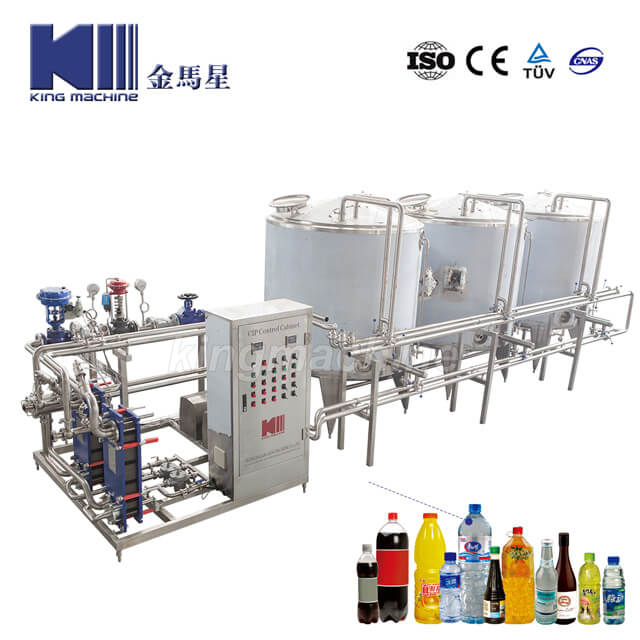
CIP systems are designed to clean internal surfaces of equipment without disassembly. In water filling lines, CIP cleaning processes are essential for maintaining hygiene while minimizing downtime.
Key benefits include:
Consistent and repeatable cleaning results
Reduced labor requirements
Shorter cleaning cycles
Improved operator safety
CIP systems are standard in modern water filling machines and aseptic filling systems.
CIP System Components
A typical CIP system includes:
Cleaning solution tanks
Dosing and heating units
Pumps and flow control valves
Spray devices and return lines
These components work together to deliver cleaning solutions at controlled temperatures, concentrations, and flow rates.
Typical CIP Cleaning Cycles
A standard CIP cycle consists of:
Pre-rinse, removing residual product
Alkaline wash, dissolving organic residues
Acid wash, removing mineral deposits
Final rinse and sanitization, ensuring cleanliness
Each step is programmed and monitored to ensure effectiveness.
6. Integration of CIP with Aseptic Filling Systems
In aseptic water filling lines, CIP is often combined with SIP (Sterilization-In-Place) processes. While CIP removes residues, SIP ensures microbial destruction.
Automation plays a critical role in integrating these processes. Modern systems use recipe-based control to adapt cleaning programs to different products or production schedules. Sensors monitor temperature, conductivity, and flow to validate cleaning performance.
7. Hygienic Design of Key Water Filling Machine Components
Filling Valves and Manifolds
Valves must be designed for complete drainage and easy CIP coverage. Poor valve design can create dead zones that compromise hygiene.
Tanks and Piping
Tanks should feature sloped bottoms and smooth welds. Piping layouts should avoid sharp bends and unnecessary connections.
Conveyors and Transfer Systems
Although not in direct contact with water, conveyors must still meet hygiene standards, especially in aseptic zones.
8. Materials and Surface Finishes for Food-Grade Applications
Material selection has a direct impact on hygiene and durability. Stainless steel is widely used due to its corrosion resistance and cleanability. Surface roughness must be minimized to prevent bacterial adhesion.
Seals and gaskets should be made from food-grade materials compatible with cleaning chemicals and temperatures.
Conclusion
Food-grade hygiene design is a cornerstone of modern bottled water production. By combining aseptic filling technology with effective CIP cleaning processes, manufacturers can achieve high levels of safety, consistency, and regulatory compliance. From equipment design and material selection to automation and validation, every detail matters.
As a leading expert in the PET plastic packaging and beverage filling industry, King Machine provides advanced solutions for Water Filling Machines, aseptic filling systems, and integrated CIP cleaning processes, helping water producers worldwide build hygienic, reliable, and future-ready filling lines.