NewsSite EditorSite/uploads/image/694e24f48271f.pngThis article provides a step-by-step guide to setting up a complete aluminum can filling line, covering the full workflow from depalletizer to final packaging, and highlighting key technical considerations at each stage.
How to Set Up a Complete Can Filling Line (From Depalletizer to Packaging)
Views: 1160Author: Site EditorPublish Time: 2025-12-11Origin: Site
In recent years, aluminum cans have become one of the fastest-growing beverage packaging formats worldwide. From carbonated soft drinks and beer to juice, energy drinks, and functional beverages, manufacturers increasingly prefer cans due to their lightweight structure, excellent barrier properties, recyclability, and long shelf life. However, achieving consistent product quality and high production efficiency depends heavily on how well the can filling production line is designed and integrated.
A complete can filling production line is not simply a collection of individual machines. It is a coordinated system that must ensure smooth can flow, precise filling, reliable sealing, strict hygiene control, and efficient end-of-line packaging. Any weak link—whether in depalletizing, filling, seaming, or packing—can affect the entire operation.
This article provides a step-by-step guide to setting up a complete aluminum can filling line, covering the full workflow from depalletizer to final packaging, and highlighting key technical considerations at each stage.
1. Complete Can Filling Production Workflow
A standard can filling production line typically follows this sequence:
Depalletizing of empty cans
Can rinsing or air cleaning
Filling
Seaming
Sterilizing or pasteurizing (if required)
Date coding
Packing and palletizing
Each stage must be carefully matched in terms of speed, hygiene requirements, and automation level. Modern aluminum can filling machines often operate at speeds ranging from several thousand to tens of thousands of cans per hour, making synchronization and line balance essential.
2. Depalletizing System: Feeding Empty Cans into the Line
Role of the Depalletizer
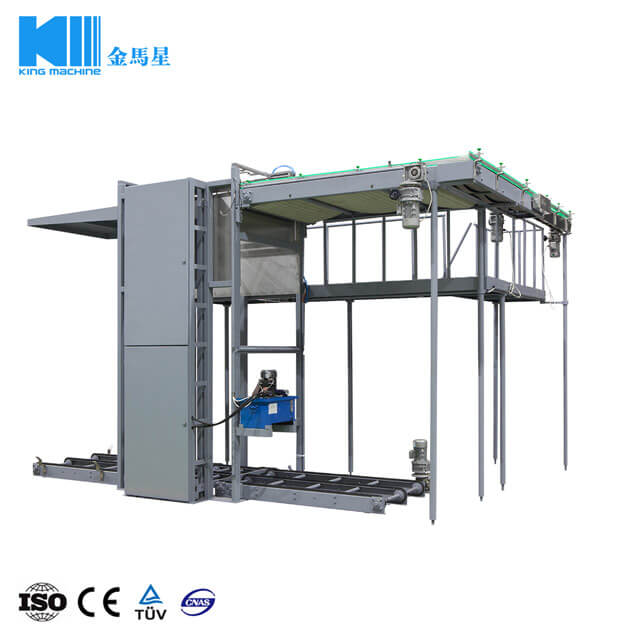
The depalletizer is the starting point of the can filling production line. Its primary function is to automatically unload empty aluminum cans from pallets and feed them into the conveyor system in a continuous and stable manner. A reliable depalletizing system reduces manual labor, improves safety, and ensures uninterrupted production.
Low-level depalletizers, which are easier to operate and maintain
High-level depalletizers, suitable for high-speed, large-scale production
Sweep-type depalletizers, widely used for standard can formats
Robotic depalletizers, offering greater flexibility for multiple can sizes
The choice depends on production capacity, factory layout, and future expansion plans.
Key Selection Criteria
When selecting a depalletizer, manufacturers should consider:
Compatibility with line speed
Range of can diameters and heights
Changeover efficiency
Floor space availability
A properly selected depalletizer ensures a smooth supply of empty cans to the rinsing and filling section.
3. Can Rinsing: Ensuring Internal Cleanliness Before Filling
Purpose of Can Rinsing
Even new aluminum cans may contain dust or particles from manufacturing, transportation, or storage. Can rinsing is a critical hygiene step to remove contaminants before filling and to meet food-grade production standards.
Rinsing Technologies
Common can rinsing methods include:
Ionized air rinsing, which removes particles without water consumption
Water rinsing, using filtered or sterilized water
Combined air and water rinsing systems, offering enhanced cleaning performance
The selection depends on beverage type, hygiene requirements, and sustainability goals.
Integration with Filling Machines
Can rinsers are typically installed directly before the aluminum can filling machine. Proper synchronization ensures that cans are cleaned without deformation, tipping, or accumulation, maintaining stable infeed to the filler.
4. Can Filling: Precision and Product Integrity
Types of Can Filling Machines
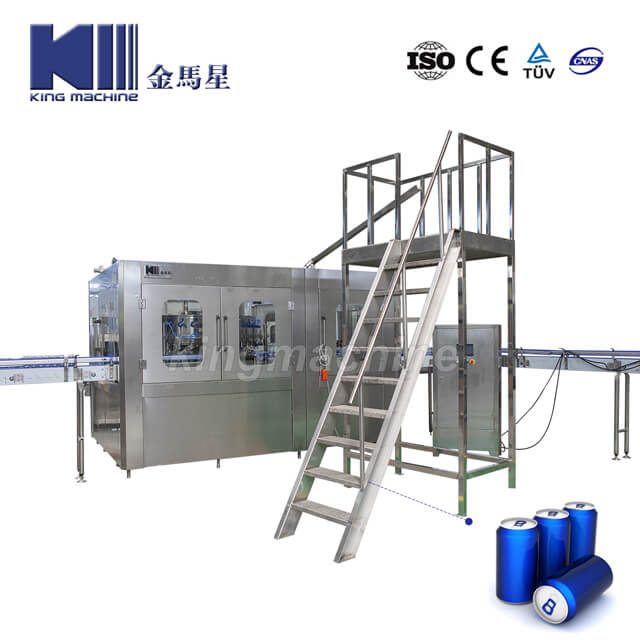
The filling stage is the core of the entire production line. Different filling technologies are used depending on the beverage:
Gravity filling for non-carbonated beverages
Isobaric filling for carbonated soft drinks and beer
Volumetric or flow-meter filling for precise dosing
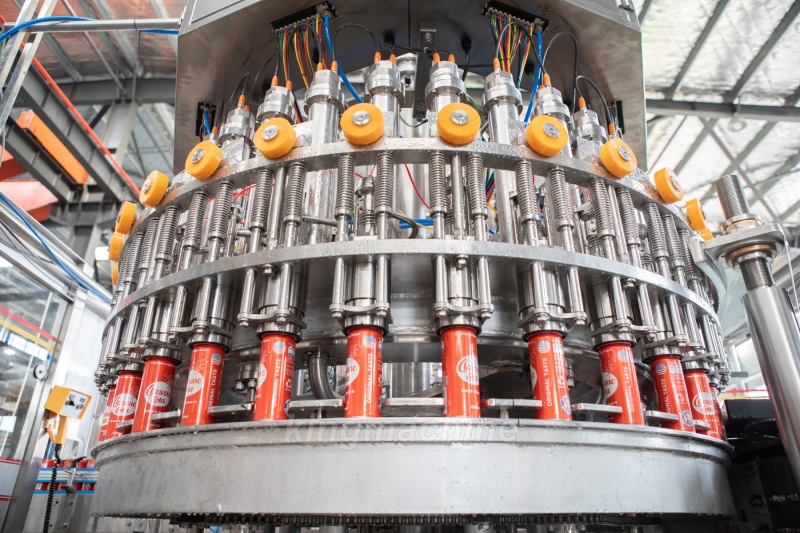
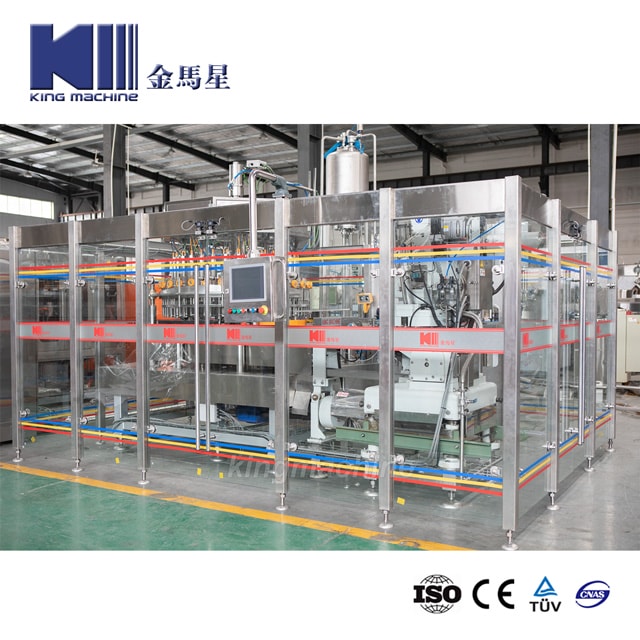
Modern aluminum can filling machines are designed for high-speed, hygienic operation and minimal product loss.
Filling Considerations by Beverage Type
For carbonated beverages and beer, pressure control and CO₂ retention are critical to prevent foaming and ensure correct carbonation levels. Juice and non-carbonated drinks require gentle filling to preserve product quality and minimize oxygen pickup.
Key Performance Indicators
Key factors to evaluate include:
Filling accuracy
Foaming control
CIP (Clean-in-Place) capability
Hygienic valve and tank design
A high-quality can filling machine directly impacts product consistency and line efficiency.
5. Can Seaming: Airtight Seals for Product Safety
Importance of Proper Seaming
After filling, cans must be sealed immediately to protect the product from contamination and leakage. Proper seaming is essential for maintaining shelf life, carbonation, and overall product safety.
Seaming Process Explained
Most aluminum cans use a double seaming process, where the lid and can body are mechanically interlocked using precision seam rolls. Accurate control of seam dimensions is critical.
Quality Control Measures
Quality assurance measures include:
Online seam monitoring
Periodic seam teardown inspections
Continuous adjustment of seaming parameters
Reliable seaming is especially important in high-speed beer and carbonated soft drink filling lines.
6. Sterilizing and Pasteurizing: Ensuring Product Stability
When Sterilization Is Required
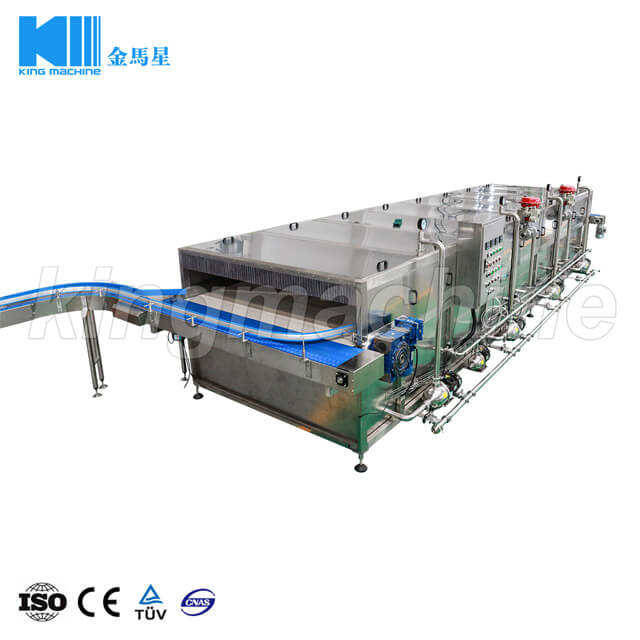
Not all beverages require post-filling sterilization. However, products such as beer, juice, and certain functional drinks often undergo pasteurization to ensure microbiological stability.
Common Sterilization Systems
Typical systems include:
Tunnel pasteurizers, using controlled water sprays
Spray warmers and coolers, for temperature stabilization
Process Control Factors
Key parameters include:
Time–temperature profiles
Uniform heat distribution
Water and energy efficiency
Proper sterilization enhances product safety without compromising taste.
7. Date Coding and Product Identification
Importance of Date Coding
Date coding ensures traceability, regulatory compliance, and consumer confidence. It allows manufacturers to track production batches and manage quality issues effectively.
Coding Technologies
Common coding methods are:
Inkjet printing, flexible and cost-effective
Laser coding, permanent and maintenance-friendly
Placement and Integration
Coding systems must be synchronized with line speed and positioned to ensure clear, legible markings on cans or lids.
8. Packing and End-of-Line Automation
Packing Methods
After coding, filled cans are grouped for secondary packaging:
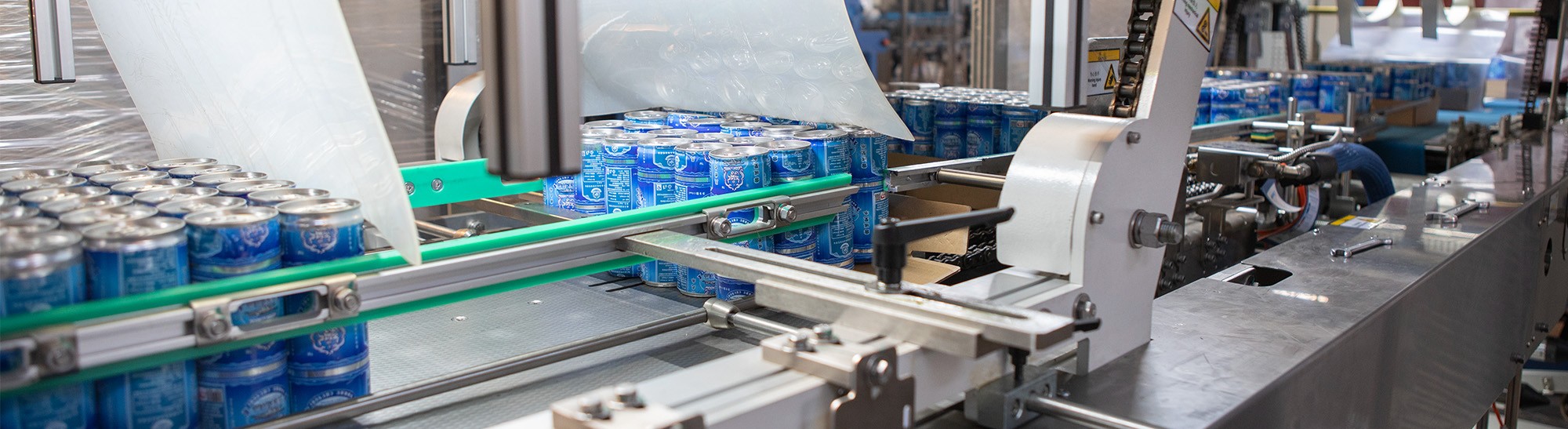
Shrink wrapping
Carton packing
Tray and film packaging
Secondary Packaging Equipment
End-of-line equipment may include:
Automatic case packers
Robotic or conventional palletizers
Logistics and Warehouse Integration
Automated pallet handling and optimized warehouse layouts improve logistics efficiency and reduce manual handling.
9. Supporting Systems for a Complete Can Filling Line
Supporting systems play a vital role in stable operation:
Conveyor systems and accumulation tables
CIP systems for hygiene management
Utilities such as compressed air, CO₂, and water treatment
A complete can filling production line requires precise coordination between depalletizing, rinsing, filling, seaming, sterilizing, coding, and packaging systems. By focusing on integration, hygiene, and automation, beverage manufacturers can achieve high efficiency, consistent quality, and long-term operational stability.
Choosing a reliable equipment supplier with experience in aluminum can filling technology is essential for building a future-ready production line. As a leading expert in the PET plastic packaging and beverage filling industry, King Machine offers professional solutions covering aluminum can filling machines, water filling machines, juice filling machines, carbonated soft drink filling machines, beer filling machines, oil filling machines, and daily chemical product filling machines, helping customers worldwide set up efficient, high-quality can filling production lines.