NewsSite EditorSite/uploads/image/694e24f48271f.pngThis article explores the key trends and innovations shaping the future of beverage filling technology and how they are redefining water filling machines, juice filling machines, carbonated soft drink filling machines, beer filling machines, and other liquid filling solutions.
Trends and Innovations in Beverage Filling Technology
Views: 811Author: Site EditorPublish Time: 2025-12-04Origin: Site
The global beverage industry is undergoing a significant transformation driven by changing consumer preferences, stricter food safety regulations, and increasing pressure on manufacturers to improve efficiency while reducing operational costs. As product portfolios expand—from bottled water and carbonated soft drinks to juices, beer, edible oil, and daily chemical liquids—traditional beverage filling lines are no longer sufficient to meet modern production demands.
Beverage filling technology is evolving toward higher automation, greater flexibility, smarter control, and enhanced hygiene. Innovations such as AI-assisted control systems, IoT-enabled monitoring, ultra-clean filling environments, and integrated blowing-filling-capping systems are reshaping how filling plants are designed and operated. These trends are not only improving output and quality but also helping manufacturers achieve long-term sustainability and competitiveness.
This article explores the key trends and innovations shaping the future of beverage filling technology and how they are redefining water filling machines, juice filling machines, carbonated soft drink filling machines, beer filling machines, and other liquid filling solutions.
1. AI-Driven Control Systems in Beverage Filling Lines
What AI Control Means in Filling Equipment
Artificial intelligence (AI) is increasingly being integrated into modern beverage filling lines to enhance decision-making and operational stability. Unlike traditional PLC-based systems that rely on fixed parameters, AI-driven control systems analyze real-time production data and continuously optimize filling performance.
By learning from historical data and operational patterns, AI algorithms can automatically adjust filling speed, valve opening times, pressure settings, and temperature parameters. This capability is particularly valuable in high-speed water filling machines and carbonated beverage filling lines, where even small deviations can result in product loss or quality issues.
Applications of AI in Beverage Filling
AI technology is being applied across multiple stages of beverage filling operations:
Intelligent fill-level control to ensure accuracy and minimize overfilling or underfilling
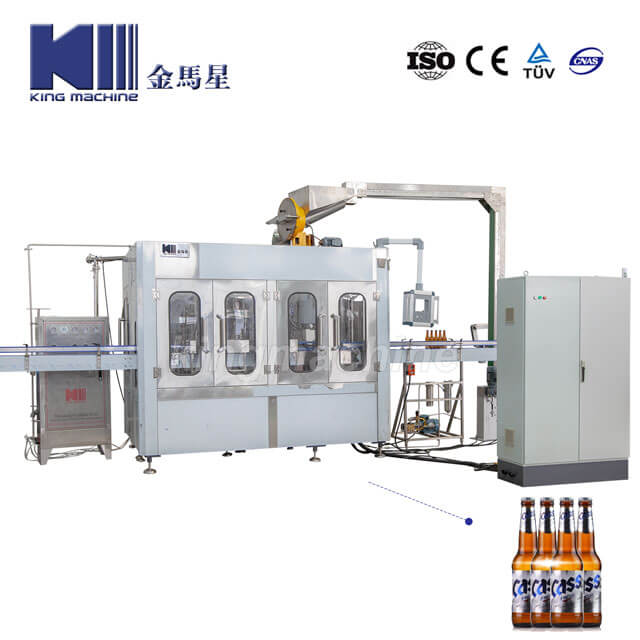
Foaming prediction and suppression in carbonated soft drink and beer filling machines
Adaptive parameter optimization when switching between different beverages or bottle formats
Real-time anomaly detection to identify abnormal vibrations, pressure fluctuations, or valve behavior
These applications significantly improve process stability and product consistency across different filling machines, including juice filling machines and oil filling machines.
Benefits for Beverage Manufacturers
The adoption of AI-driven control systems delivers measurable benefits:
Reduced product waste and rejections
Improved filling accuracy and repeatability
Lower dependence on manual adjustments and operator experience
Higher overall equipment effectiveness (OEE)
As AI technology matures, beverage filling lines are moving closer to autonomous operation with minimal human intervention.
2. IoT Monitoring and Digital Connectivity
Role of IoT in Smart Beverage Filling Plants
The Internet of Things (IoT) plays a central role in the digitalization of beverage filling plants. Sensors embedded throughout the filling line collect data on flow rates, temperatures, pressures, motor loads, and machine status. This data is transmitted in real time to centralized monitoring systems.
Modern water filling lines and aluminum can filling machines are increasingly integrated with Manufacturing Execution Systems (MES) and Enterprise Resource Planning (ERP) platforms, enabling seamless data exchange across the entire production ecosystem.
Remote Monitoring and Predictive Maintenance
One of the most valuable applications of IoT in beverage filling technology is predictive maintenance. By continuously monitoring critical components such as filling valves, capping heads, conveyors, and servo motors, IoT systems can detect early signs of wear or failure.
Instead of reacting to unexpected breakdowns, manufacturers can:
Schedule maintenance based on actual equipment condition
Reduce unplanned downtime
Extend equipment lifespan
Remote monitoring also allows technical teams to access filling line performance data from anywhere, which is particularly useful for multinational beverage producers operating multiple factories.
Operational Advantages
IoT-enabled beverage filling lines provide:
Improved traceability and quality documentation
Centralized performance analysis across different filling machines
Faster troubleshooting and decision-making
These capabilities are becoming standard expectations in modern beverage production facilities.
3. Faster Changeover and Greater Line Flexibility
Market Demand for Multi-SKU Beverage Production
Consumer demand for variety has increased dramatically, forcing beverage manufacturers to produce more SKUs with shorter production runs. This trend applies to bottled water, flavored drinks, juices, and even daily chemical products.
As a result, filling lines must be capable of fast and reliable changeovers between different bottle sizes, shapes, and product types.
Technologies Enabling Fast Changeover
Innovations that support rapid changeover include:
Servo-driven height and diameter adjustment systems
Tool-free or reduced-tool change parts
Automatic recipe management and recall
Modular filling valve designs
These technologies allow water filling machines and juice filling machines to switch between formats with minimal downtime.
Impact on Production Efficiency
Faster changeover reduces idle time, lowers labor requirements, and improves overall line utilization. Manufacturers gain the flexibility to respond quickly to market changes without sacrificing efficiency or product quality.
4. Ultra-Clean and Hygienic Filling Technologies
From Conventional to Ultra-Clean Filling
Hygiene is a critical concern in beverage filling, particularly for products with extended shelf life requirements. Ultra-clean filling technology bridges the gap between traditional hot filling and full aseptic filling.
Unlike hot filling, ultra-clean filling operates at lower temperatures, preserving product flavor and nutrients. Compared to aseptic filling, it offers a more cost-effective solution for many beverages.
Key Technologies in Ultra-Clean Filling
Ultra-clean filling lines incorporate:
Controlled clean zones with filtered sterile air
Bottle and cap sterilization using hydrogen peroxide, UV, or chemical-free methods
Hygienic filling valve and piping designs with minimal dead zones
These technologies are widely used in modern juice filling machines and water filling lines.
Benefits for Beverage Producers
Ultra-clean filling offers:
Extended shelf life without preservatives
Improved product quality
Lower energy consumption compared to hot filling
Compliance with strict food-grade hygiene standards
5. Integrated Blowing-Filling-Capping Systems
What Is an Integrated Blowing-Filling-Capping Systems System?
Integrated blowing-filling-capping systems combine PET bottle blowing, filling, and capping into a single compact unit. Bottles are produced from preforms and filled immediately without external handling.
This approach is particularly popular in high-speed bottled water and carbonated soft drink production.
Technical Advantages of Blowing-Filling-Capping Technology
Key advantages include:
Reduced contamination risk due to minimal bottle exposure
Smaller factory footprint and simplified layout
Lower energy consumption and compressed air usage
Improved overall hygiene control
Blowing-Filling-Capping systems represent a major advancement in PET bottle filling technology.
Ideal Applications
Integrated systems are ideal for:
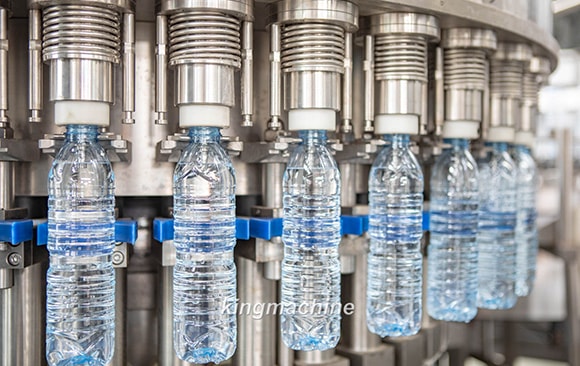
Water filling machines
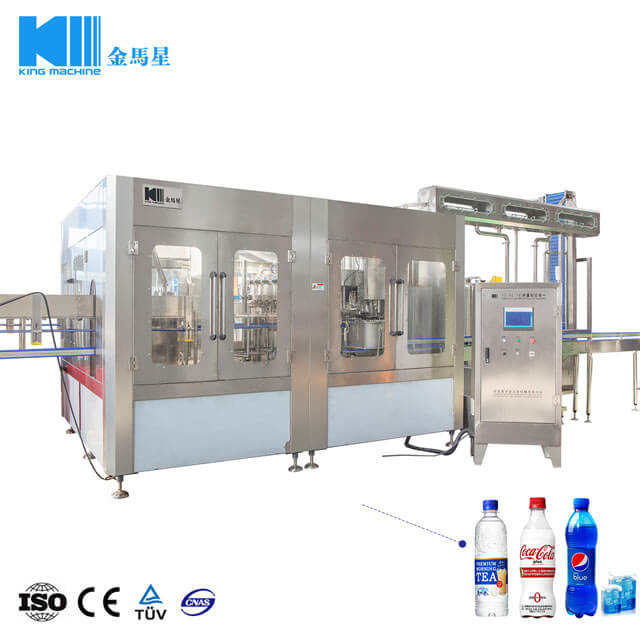
Carbonated soft drink filling machines
High-output beverage plants with limited space
6. Sustainability and Energy Efficiency as Core Design Drivers
Sustainability has become a central focus in beverage filling equipment design. Manufacturers are adopting:
Lightweight PET bottle compatibility
Water-saving CIP cleaning processes
Energy-efficient motors and air recovery systems
These measures reduce operating costs while supporting environmental responsibility.
Conclusion
Selecting the right beverage filling technology requires a strategic balance between efficiency, flexibility, hygiene, and sustainability. Innovations such as AI control, IoT monitoring, fast changeover systems, ultra-clean filling, and integrated Blowing-Filling-Capping solutions are no longer optional—they are essential for future-ready beverage production.
Manufacturers that invest in advanced filling machines and intelligent production lines will be better positioned to meet market demands, regulatory requirements, and long-term growth objectives.
As a trusted partner in the PET plastic packaging and beverage filling industry, King Machine provides comprehensive solutions covering water filling machines, aluminum can filling machines, juice filling machines, carbonated soft drink filling machines, beer filling machines, oil filling machines, and daily chemical product filling machines, helping beverage producers worldwide build efficient, reliable, and sustainable filling lines.