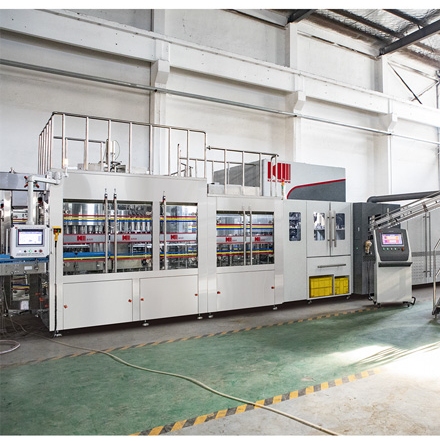
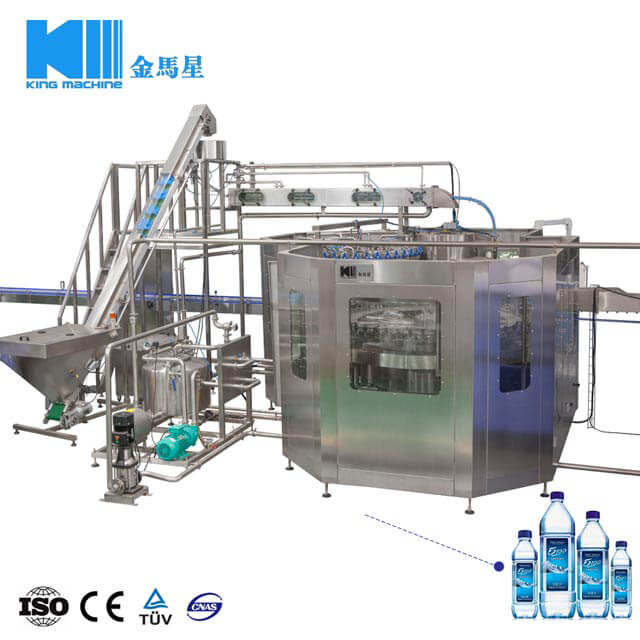
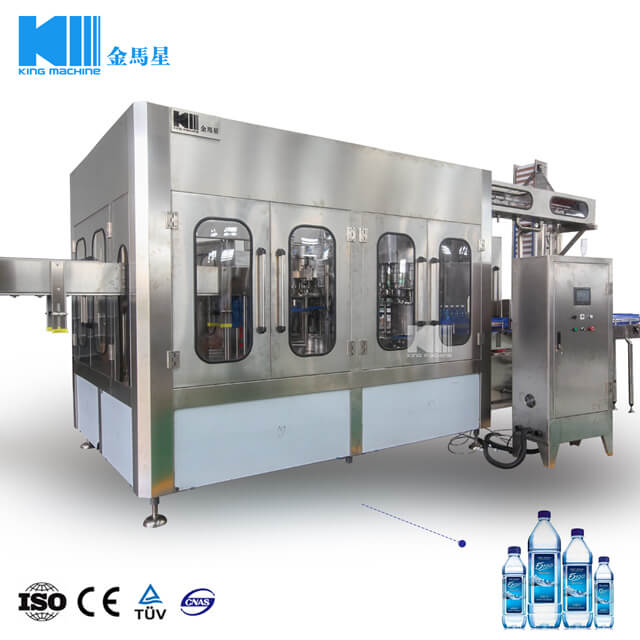
The continued expansion of the bottled water market is driving more manufacturers to invest in automated filling equipment to boost production capacity and efficiency. As a critical preliminary step in the filling process, the installation quality of the equipment directly impacts filling accuracy, production efficiency, operational stability, and the overall service life of the machinery.
Improper installation can create operational problems such as bottle jams, filling errors, excessive vibration, and unexpected downtime. A reliable installation process requires meticulous planning, precise equipment positioning, standardized utility connections, accurate equipment calibration, and comprehensive trial runs prior to full-scale operation.
This article provides a complete guide to water filling machine installation, covering preparation steps, equipment connection, commissioning procedures, and essential considerations.
1. Preparation Before Installing
Thorough preparation is crucial to ensuring stable production after the filling machine is installed.
1.1 Analyze Production Requirements
Before installation, manufacturers should determine the equipment configuration according to production needs, including:
Production capacity
Bottle size
Water type
Automation level
Small-scale plants may choose semi-automatic systems, while large production facilities usually require fully automatic filling lines.
1.2 Check Factory Layout and Installation Space
A suitable installation area should be planned in advance. Key factors include:
A reasonable layout can reduce material movement, improve production efficiency, and simplify future maintenance.
1.3 Prepare Utilities
Water filling machines require stable utility support, including:
Water supply
Electricity
Compressed air
Before installation, manufacturers should verify power requirements, air pressure, and water quality to ensure reliable equipment operation.
2. Step-by-Step Installation Process
2.1 Position and Level the Machine
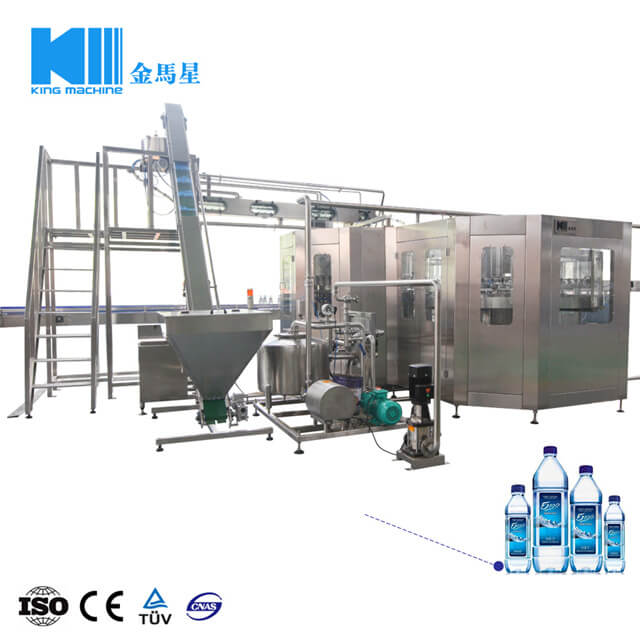
The first step is to install the filling machine according to the planned production line layout. The equipment should be positioned in the designated location, adjusted to the appropriate height, and precisely leveled. Accurate positioning can prevent equipment vibration, operational instability, and unnecessary mechanical stress during continuous production.
2.2 Connect Water, Electrical and Air Systems
After positioning the machine, the water, electrical, and air systems should be connected properly. The water supply must provide stable flow through clean pipelines, while electrical connections require correct voltage and wiring. The compressed air system should maintain proper pressure without leakage to ensure reliable filling performance.
2.3 Install Supporting Equipment
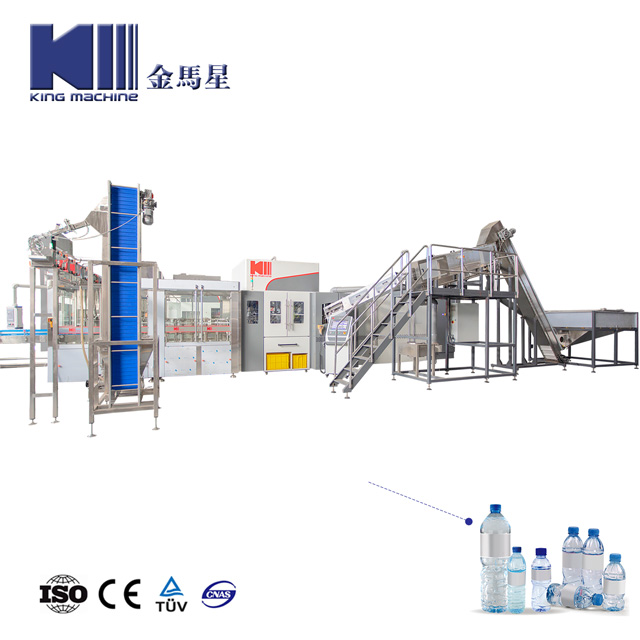
Precise alignment is also essential during the installation of auxiliary equipment within a complete bottled water production line—including water treatment systems, blow molding machines, conveyors, capping machines, labeling machines, and packaging systems. Smooth bottle conveyance and stable signal exchange between units are critical for achieving efficient production.
3. Machine Adjustment After Installation
After completing the installation, the water filling production line requires proper adjustment and commissioning. Operators should optimize key parameters and test each function before starting full-scale production.
Commissioning Item | Key Check |
Filling Parameters | Volume, speed, bottle position |
Capping System | Cap feeding, pressure |
Trial Production | Quality, speed, stability |
Step 1: Adjust filling parameters based on bottle specifications and production requirements to ensure filling accuracy.
Step 2: Test the capping and conveying systems to ensure smooth transfer and reliable sealing.
Step 3: Conduct trial production to verify filling consistency, system operation, production speed, and product quality.
4. Common Problems During Installation
During the installation process, several issues may affect the performance and stability of a water filling machine if they are not handled properly.
Improper equipment leveling or an uneven mounting base can lead to equipment vibration and bottle transport issues.
Incorrect connections of water, electricity, or compressed air may lead to machine failures and unstable production.
An unreasonable equipment layout may lead to bottle jams, thereby impeding the smooth flow of materials.
5. Tips for Successful Installation
The following tips can improve installation quality.
Tip 1: Follow Manufacturer Installation Instructions
Different water filling machines may have specific requirements for:
Installation procedures
Operating parameters
Maintenance methods
Tip 2: Use Professional Installation Support
Technical support from the equipment supplier can help:
Tip 3: Train Operators Before Production
Before starting production, operators should receive training on:
Machine operation
Parameter adjustment
Basic troubleshooting
6. Why Choose a Complete Water Filling Solution Provider?
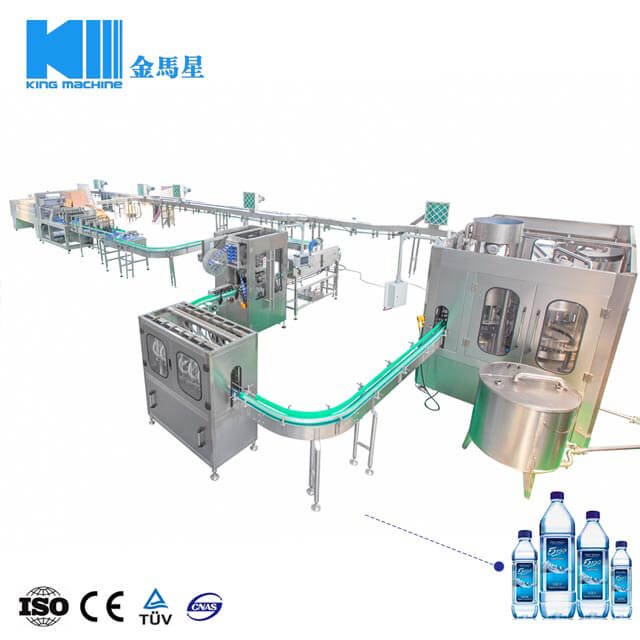
Building a bottled water production facility requires more than purchasing a single filling machine. A complete production system involves multiple processes, including water treatment, filling, packaging, and automation control, which must work together efficiently.
Choosing a complete solution provider offers several advantages:
System compatibility: All equipment is designed to work together smoothly.
Easier installation: Integrated solutions simplify setup and commissioning.
Technical support: Professional guidance helps solve operation and maintenance issues.
Stable production: Optimized systems improve efficiency and reduce unexpected downtime.
By working with an experienced beverage machinery supplier, manufacturers can build a more reliable and efficient water production system that meets different capacity and production requirements.
Conclusion
Proper installation is essential for ensuring the stable operation of a water filling machine. From production planning and equipment positioning to system connection, parameter adjustment, and trial operation, each step affects filling accuracy, production efficiency, and equipment reliability. A well-installed system can reduce downtime, improve production performance, and maintain consistent product quality during long-term operation.
Leveraging extensive experience, King Machine provides comprehensive beverage production solutions to clients worldwide. Backed by a track record of over a thousand beverage filling line projects, broad global customer service expertise, and "turnkey" engineering capabilities, King Machine is dedicated to helping manufacturers build efficient, reliable, and stable bottled water production systems tailored to their specific production needs.