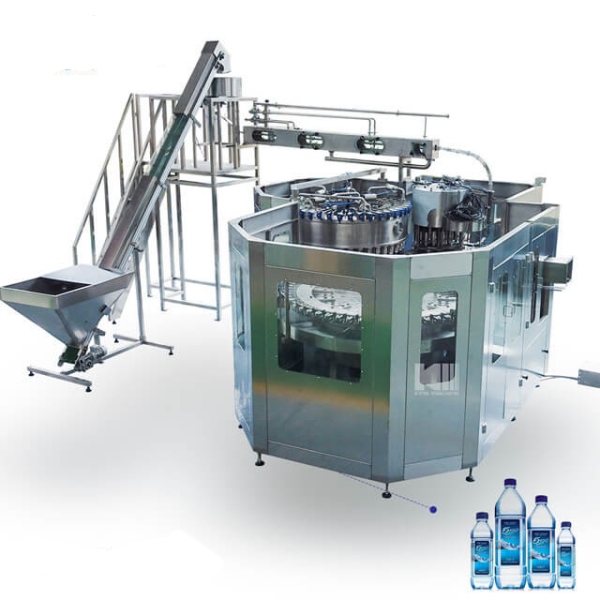
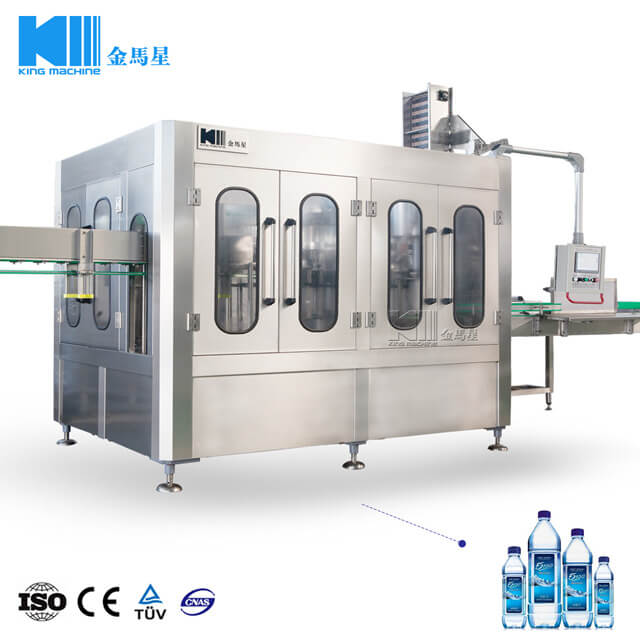
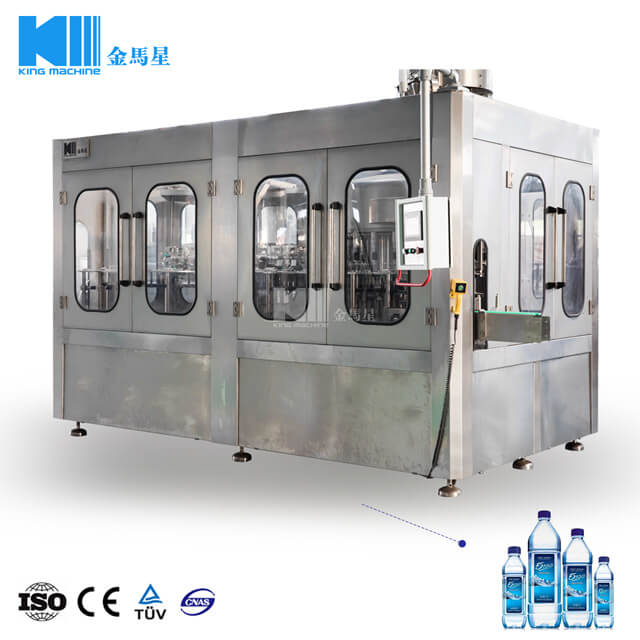
The bottled water industry continues to grow as more manufacturers rely on automated water filling machines to achieve efficient and large-scale production. As a key part of the bottling process, filling machines directly affect production speed, filling accuracy, and product quality.
However, water filling machines operate continuously under high-speed production conditions, water contact environments, and repetitive mechanical movement. Without proper maintenance, equipment issues such as inaccurate filling, unexpected downtime, product waste, and higher repair costs may occur.
Regular maintenance helps keep equipment running smoothly and extend machine lifespan. This article provides a daily maintenance checklist for water filling machines, covering routine inspections, cleaning, lubrication, key component checks, and practical tips to improve equipment reliability.
1. Why Regular Maintenance Is Important?
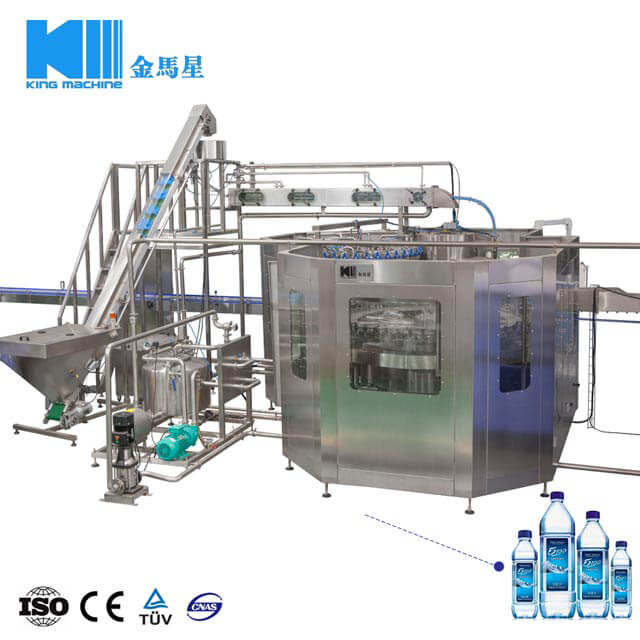
Water filling equipments are precision automation systems composed of key components such as filling valves, pumps, sensors, conveyors, and control systems. During continuous operation, these components may experience performance changes, including valve seal degradation, inaccurate sensor detection, reduced lubrication of moving parts, and hygiene issues caused by water residue.
Regular maintenance helps ensure filling accuracy, thereby maintaining consistent production quality. Furthermore, it allows for the detection and resolution of potential issues—such as loose components, leaks, or abnormal machine noise—before they escalate into serious failures, reducing unplanned downtime.
In addition, regular cleaning and inspection also help prevent contamination and bacteria buildup, ensuring hygienic production conditions and reliable bottled water quality.
2. Daily Maintenance Checklist
Routine maintenance is essential for ensuring the reliable operation of the filling machine. Operators should conduct routine checks before and during operation to prevent minor issues from affecting production.
Check Item | Maintenance Task |
Machine Appearance | Check leakage, dirt, abnormal wear |
Filling Valves | Inspect dripping and blockage |
Sensors | Confirm normal detection |
Conveyor System | Check smooth bottle movement |
Air System | Verify stable pressure |
Safety Devices | Test emergency stop function |
2.1 Visual Inspection Before Startup
Before starting the equipment, operators should inspect the machine frame, filling unit, and conveying area. They should check for water or oil leaks, loose components, or abnormal wear to detect potential issues early and avoid unexpected production interruptions.
2.2 Check Filling Valves and Nozzles
The filling valve is a critical component that directly affects filling performance. Regularly inspecting the valve body condition, seals, and internal cleanliness helps maintain filling accuracy and hygiene throughout the filling process.
2.3 Inspect Conveyor and Bottle Transfer System
The conveyor system should be checked to ensure bottles move smoothly through each production stage. Proper alignment and stable transfer help prevent bottle jams, production delays, and container damage.
2.4 Check Pneumatic and Electrical Systems
Operators should verify that pneumatic systems maintain proper air pressure without leakage. Sensors, control panels, and emergency switches should also be checked to ensure stable automatic operation.
2.5 Cleaning and Sanitation
Since water filling machines directly contact drinking water, regular cleaning is an important part of maintenance. Cleaning filling valves, removing water residue, and sanitizing contact parts help maintain food safety.
3. Weekly and Monthly Maintenance Tasks
Weekly maintenance focuses on preventing wear and keeping stable operating condition. Operators should inspect lubrication points, fasteners, pneumatic filters, and machine surfaces regularly. These checks help reduce component wear, maintain smooth operation, and identify minor issues before they affect production.
Monthly maintenance requires more detailed inspection and adjustment of key components. Tasks include filling accuracy calibration, seal inspection, sensor testing, and valve maintenance. Regular monthly checks help maintain equipment performance, improve filling consistency, and ensure long-term reliable operation of the water filling system.
4. Key Maintenance Tips to Improve Machine Performance
To keep water filling line equipments operating efficiently, manufacturers should follow these practical maintenance tips:
Tip 1: Follow Manufacturer Guidelines
According to the guidelines, different models may require specific lubrication methods, replacement intervals, and cleaning procedures for maintenance to ensure optimal performance.
Tip 2: Keep Detailed Maintenance Records
Records of maintenance dates, replaced parts, and issues discovered help operators identify recurring faults, predict potential hazards, and schedule downtime for maintenance.
Tip 3: Use Proper Spare Parts
Choosing compatible and reliable spare parts helps prevent installation problems, performance reduction, and unnecessary equipment failures.
Tip 4: Train Operators Regularly
Well-trained operators should understand daily inspection procedures, basic troubleshooting methods, and safety requirements.
5. Maintenance Requirements for Different Water Filling Lines
Maintenance requirements vary depending on the production capacity and automation level of a water filling line. Higher-speed systems usually require more structured maintenance plans.
Line Capacity | Key Focus | Maintenance Method |
Small (500-3,000 BPH) | Basic checks | Manual inspection |
Medium (6,000-12,000 BPH) | Component condition | Regular inspection |
High-Speed (24,000+ BPH) | System stability | Preventive maintenance |
For small capacity lines, simple daily checks can help identify common issues. Medium and high-speed lines require more planned maintenance because equipment failures may cause greater production losses. A suitable maintenance strategy helps improve efficiency, reduce unexpected downtime, and extend machine service life.
Conclusion
Proper maintenance ensures the stability of bottled water production and maximizes the performance of filling equipment. Regular inspection, cleaning, lubrication, and preventive maintenance help maintain filling accuracy, boost production efficiency, minimize unplanned downtime, and extend the equipment's service life. By adhering to a standardized maintenance schedule, manufacturers can ensure the reliable operation of their filling systems.
Leveraging extensive experience, King Machine provides reliable beverage filling solutions to customers worldwide. With a track record of over 1,000 successful beverage filling line projects, King Machine helps design efficient production systems tailored to diverse customer needs, enabling long-term, stable production operations.