NewsSite EditorSite/uploads/image/694e24f48271f.pngThis article explains what a 3 in 1 juice filling machine is, how it works, its structural components, and the key advantages it offers to beverage manufacturers.
What Is a 3 in 1 Juice Filling Machine? Structure, Working Principle, and Advantages
Views: 437Author: Site EditorPublish Time: 2026-03-16Origin: Site
As global demand for bottled beverages continues to rise, juice manufacturers are under increasing pressure to improve efficiency, ensure product safety, and reduce operating costs. Whether producing mango juice, litchi juice, blended fruit beverages, or tea drinks, selecting the right filling equipment plays a decisive role in production success.
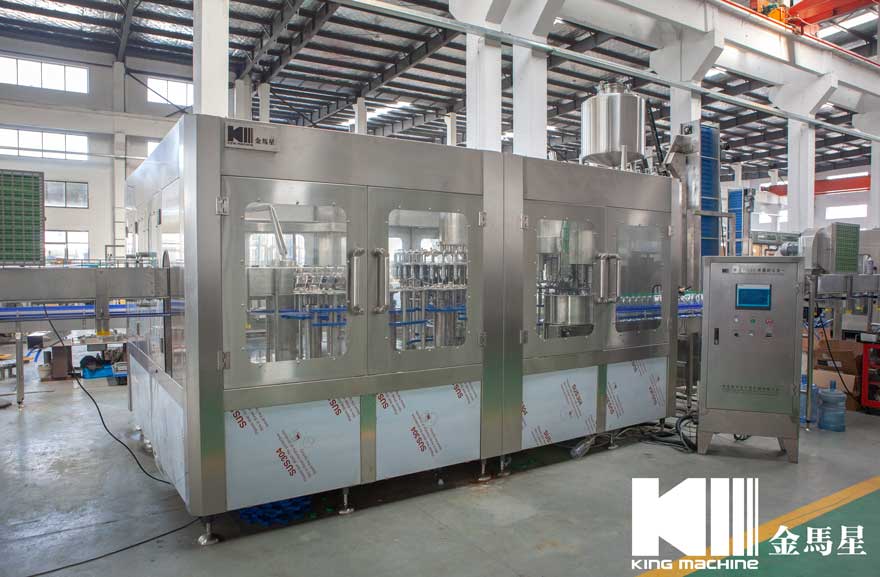
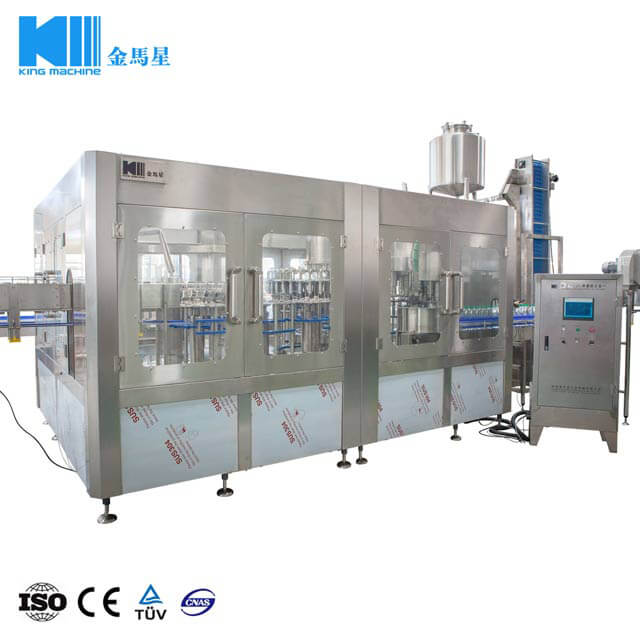
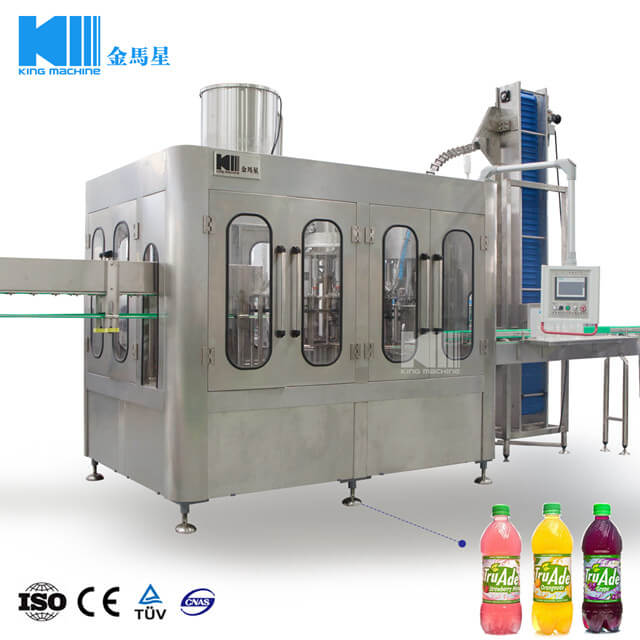
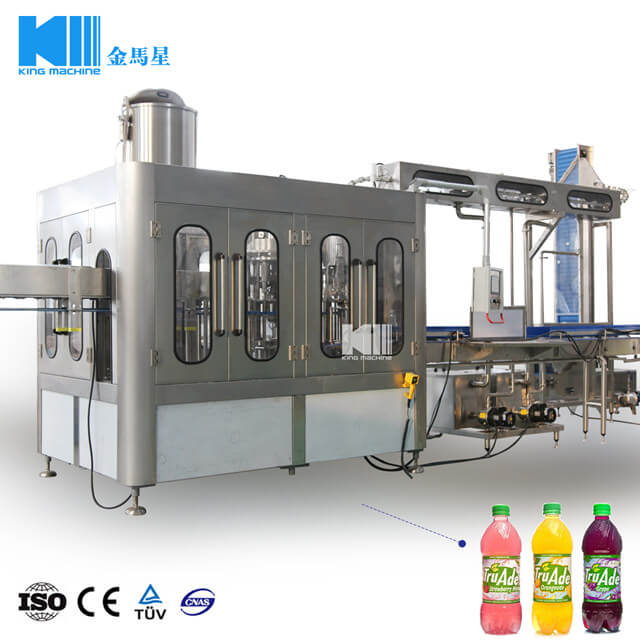
One of the most widely adopted solutions in modern beverage plants is the 3 in 1 juice filling machine. By integrating rinsing, filling, and capping into a single compact unit, this system has become the standard configuration for high-speed juice bottle production.
This article explains what a 3 in 1 juice filling machine is, how it works, its structural components, and the key advantages it offers to beverage manufacturers.
What Is a 3 in 1 Juice Filling Machine?
A 3 in 1 juice filling machine is an integrated beverage packaging system that combines three core processes into one monoblock unit:
Bottle rinsing
Juice filling
Bottle capping
Instead of using separate standalone machines connected by conveyors, this integrated design allows bottles to move seamlessly through all stages within a single frame.
A typical juice bottle filling machine in 3-in-1 configuration is suitable for:
Hot-filled juice
Non-carbonated beverages
Fruit juice with or without pulp
Functional drinks and tea beverages
It is commonly used in PET bottle production lines but can also be adapted for glass bottles depending on plant requirements.
Structure of a 3 in 1 Juice Filling Machine
Understanding the structure helps manufacturers evaluate machine quality and operational reliability. A standard automatic juice filling machine consists of the following major components:
1. Bottle Rinsing System
The rinsing section ensures that bottles are clean before filling. It typically includes:
Bottle infeed via air conveyor
Bottle gripping clamps
Inversion mechanism
Sterile water spray nozzles
Water recovery and recirculation system
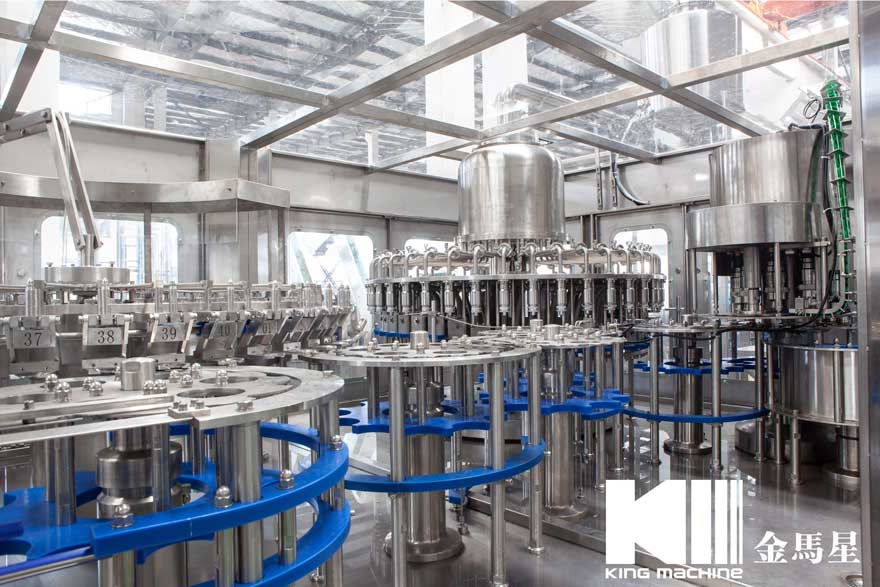
When bottles enter the rinsing carousel, they are automatically inverted. Sterilized water is sprayed inside to remove dust and impurities. After rinsing, bottles are drained and transferred directly to the filling section without manual handling.
2. Filling System
The filling system is the core of the juice filling and capping machine.
Depending on the product type, the machine may use:
Gravity filling
Micro-pressure filling
Hot filling technology
For fruit juices such as mango juice or litchi juice, hot filling is commonly used to extend shelf life. The filling valves are designed to ensure:
Accurate fill levels
Smooth liquid flow
Minimal splashing
Stable operation at high speeds
Advanced filling valves maintain consistent volume, which is critical for brand quality control.
3. Capping System
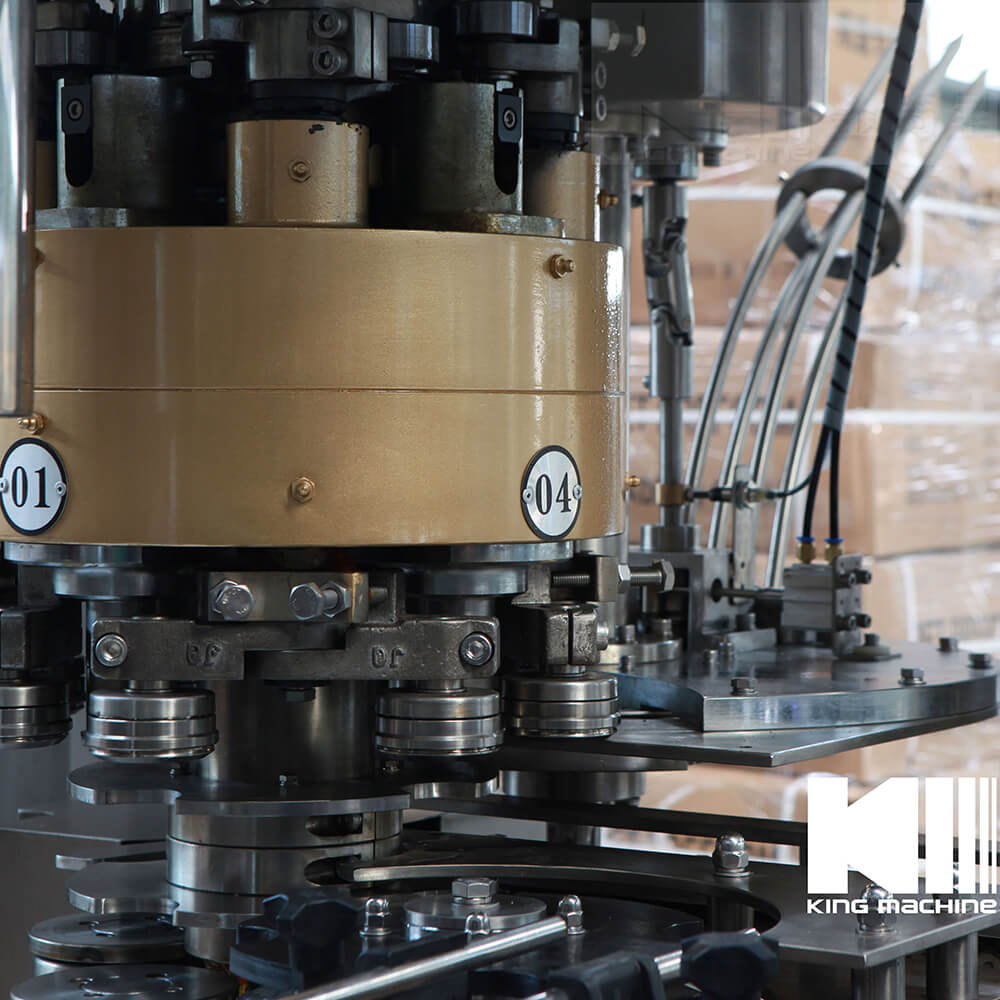
The capping section seals the bottle securely to preserve product freshness.
It includes:
Cap sorting and feeding unit
Cap chute
Magnetic torque-controlled capping heads
Automatic rejection system for defective caps
Precise torque control ensures caps are neither too loose nor too tight, preventing leakage while maintaining product integrity.
4. Drive and Control System
Modern automatic juice filling machines are equipped with:
PLC (Programmable Logic Controller)
Touchscreen HMI interface
Frequency inverter for speed control
Safety sensors and overload protection
The operator can monitor production speed, filling volume, and machine status in real time. Fault alarms improve maintenance efficiency and reduce downtime.
Working Principle of a 3 in 1 Juice Filling Machine
The operational process of a 3 in 1 juice filling machine follows a continuous rotary workflow:
Step 1: Bottle Feeding
Empty bottles are delivered via air conveyor and positioned at the rinsing station using neck-handling technology. This method prevents bottle body deformation and ensures stable transfer.
Step 2: Bottle Rinsing
The bottles are clamped and inverted. Sterilized water is sprayed inside to remove contaminants. After rinsing, excess water drains before bottles move to the filling section.
Step 3: Juice Filling
Once positioned under the filling valve:
The bottle is raised and sealed against the filling valve.
Juice flows into the bottle under controlled conditions.
The liquid level reaches the preset height automatically.
For hot filling applications, juice is typically filled at 85–95°C. This temperature helps eliminate microorganisms and ensures longer shelf life without preservatives.
Step 4: Bottle Capping
After filling, bottles move to the capping station:
Caps are automatically sorted and placed.
Magnetic torque heads apply precise sealing pressure.
Finished bottles exit onto the discharge conveyor.
The entire process is continuous and synchronized, allowing high-speed production with minimal manual intervention.
Although 3-in-1 systems are primarily used for bottles, some manufacturers also require a juice can filling machine for aluminum can packaging. While structurally different, the principle of integrated filling and sealing remains similar.
Advantages of a 3 in 1 Juice Filling Machine
1. Compact and Space-Saving Design
The integrated monoblock structure reduces factory footprint compared to separate machines. This is particularly beneficial for medium-sized production plants.
2. High Production Efficiency
By eliminating bottle transfers between standalone machines, production becomes smoother and faster. Modern systems can reach high output levels while maintaining stability.
3. Improved Hygiene Standards
The enclosed structure minimizes contamination risk. Combined with CIP (Clean-in-Place) systems and stainless-steel construction, hygiene compliance is significantly enhanced.
4. Reduced Labor Costs
Automation reduces manual bottle handling and supervision requirements. Fewer operators are needed, lowering long-term operating expenses.
5. Accurate Filling Performance
Precision filling valves ensure consistent liquid levels across all bottles. This enhances product presentation and prevents material waste.
6. Easy Maintenance and Changeover
Modern 3-in-1 systems allow quick adjustments for different bottle sizes. Modular design simplifies maintenance and spare part replacement.
3 in 1 Juice Filling Machine vs. Traditional Separate Machines
Compared with traditional systems that use independent rinsing, filling, and capping units, the 3-in-1 configuration offers:
Higher production efficiency
Reduced contamination points
Lower installation complexity
Improved synchronization
Although the initial investment may be slightly higher, the long-term return on investment is significantly better due to reduced downtime and maintenance costs.
Conclusion
A 3 in 1 juice filling machine represents a highly efficient, hygienic, and cost-effective solution for modern juice production. By integrating rinsing, filling, and capping into one compact system, it streamlines operations and improves product quality.
Whether you are producing mango juice, litchi juice, or other fruit beverages, selecting a high-quality automatic juice filling machine is essential for maintaining consistent output and competitive advantage.
As an experienced beverage equipment supplier, King Machine provides advanced juice bottle filling machine solutions designed for reliability, precision, and long-term performance. With extensive expertise in juice production systems, King Machine delivers customized filling solutions tailored to meet the diverse needs of beverage manufacturers worldwide.