Choosing the right bottling line capacity involves more than comparing rated speeds in bottles per hour (BPH). Beverage manufacturers need to consider production targets, product types, packaging formats, and available operating hours. For example, a water production line must deliver enough bottles to meet daily demand while accounting for cleaning, changeovers, and unexpected downtime.
A line with insufficient capacity may delay orders and limit production growth. However, choosing equipment that significantly exceeds actual demand can increase capital investment, floor space requirements, and ongoing operating costs. The goal is to find a capacity that meets current needs without creating unnecessary expenses or restricting future expansion.
This article explains how to calculate required output, match line capacity with different beverages and packaging formats, identify production bottlenecks, and evaluate operating costs. It also covers how to plan for future growth and select a bottling line that balances productivity, flexibility, and long-term investment.
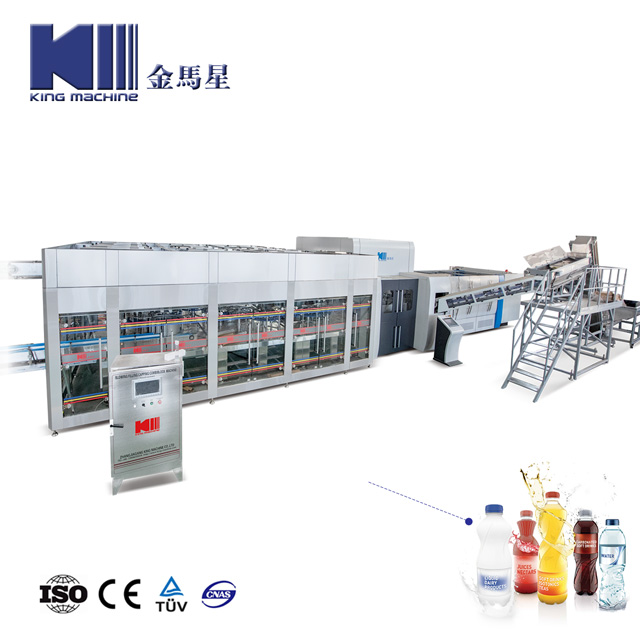
1. Understand Bottling Line Capacity and Actual Output
Rated Capacity vs. Actual Output
A bottling line's rated capacity indicates its nominal production speed, usually measured in bottles per hour (BPH). However, actual output is often lower because of cleaning, changeovers, unplanned downtime, and rejected bottles. For a water filling line, understanding this difference helps manufacturers estimate how many saleable bottles they can produce during a working shift.
BPH, Production Time, and OEE
BPH measures bottles produced per hour, while bottles per minute (BPM) expresses the same rate over a shorter interval. Overall Equipment Effectiveness (OEE) combines availability, performance, and quality to assess productive efficiency. Available production time and OEE both influence actual output, making them essential when calculating capacity requirements.
The Slowest Stage Limits the Line
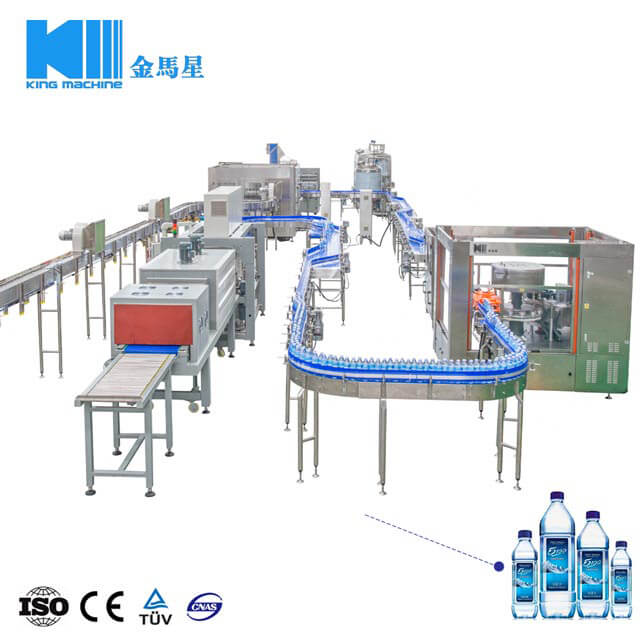
A bottling line's output also depends on coordination between filling, capping, labeling, packaging, and palletizing. The slowest stage can restrict the entire line, even when the filler operates at a higher speed.
Metric | Meaning | Planning Use |
Rated capacity | Nominal equipment speed | Initial equipment selection |
Actual output | Saleable production achieved | Assess delivery capability |
OEE | Overall equipment effectiveness | Estimate productive output |
Bottleneck | Stage limiting line speed | Identify the capacity ceiling |
2. Calculate Required Capacity
Start With Demand
Size a bottling line around daily orders, peak demand, shifts, and available production hours. Allow for seasonal fluctuations and planned downtime.
Calculate Required BPH
Use this formula to estimate the rated speed needed:
Required BPH=Target Output/(Available Hours×OEE)
Planning Parameter | Example |
Target output | 50,000 bottles/day |
Available production time | 16 hours/day |
OEE | 75% |
Estimated rated speed | 4,167 BPH |
Allow for Downtime and Rejects
Cleaning, changeovers, maintenance, and rejected bottles affect saleable output. A water packaging line must also coordinate filling, conveying, and downstream packaging to meet the same production target. Use actual operating data to refine the estimate and account for reject rates and peak demand before final equipment selection.
3. Match Products and Packaging
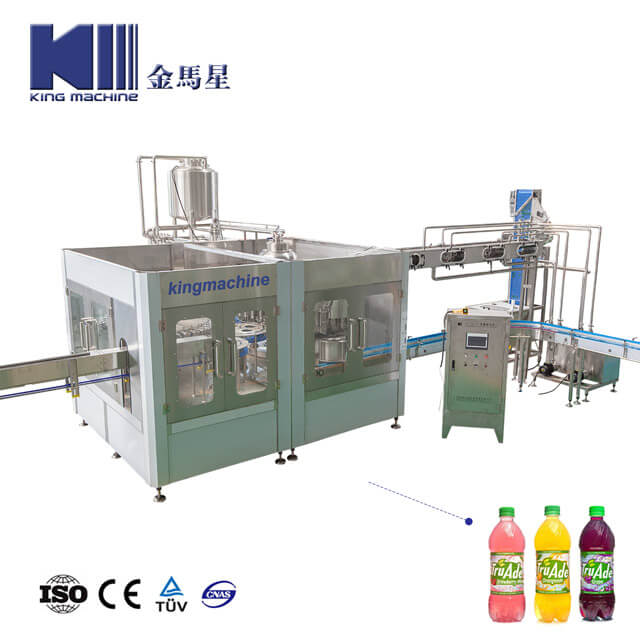
Consider Beverage Type
Different beverages require different filling conditions, which affect line speed and equipment selection.
Choose the Container
Bottle size, neck finish, cap type, and material influence changeovers, conveying, and filling compatibility.
Product or Package | Key Capacity Consideration |
PET bottled water | Bottle format and conveying speed |
Carbonated drinks | Pressure, temperature, and CO₂ retention |
Juice and tea | Filling method and CIP requirements |
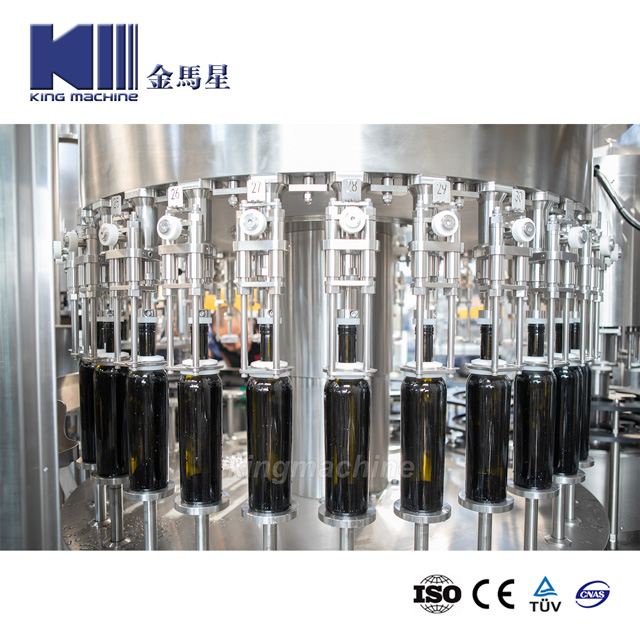
Glass bottles | Handling and breakage risk |
Cans | Filling and seaming speed |
Consider Integrated Systems
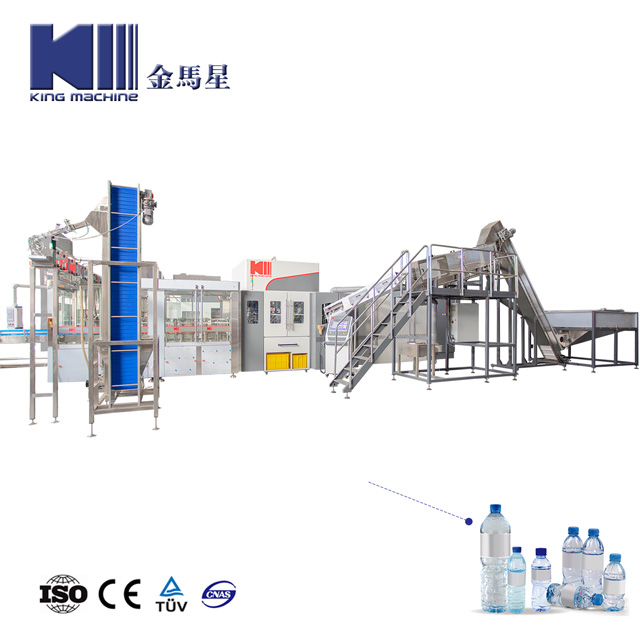
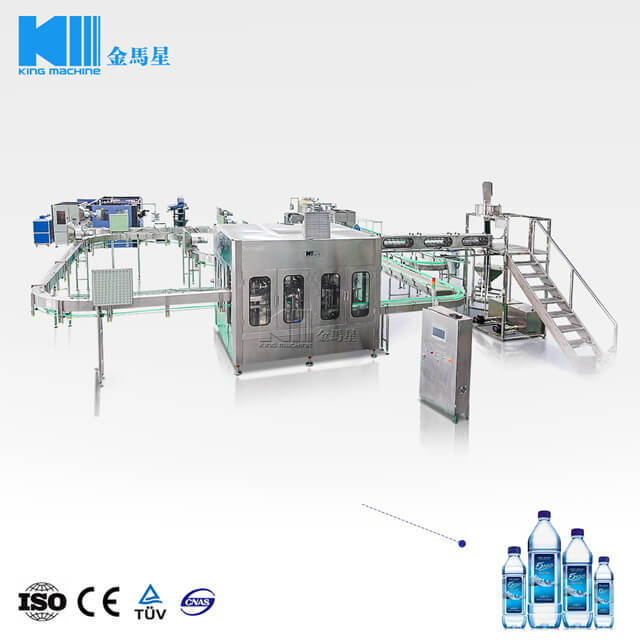
A Combiblock Water Filling Machine can integrate PET bottle blowing, filling, and capping. Its suitability depends on target output, container specifications, and plant layout. Compare the actual configuration with production needs rather than assuming an integrated system fits every beverage or package.
4. Identify Bottlenecks
Balance Line Speeds
A blowing filling capping machine must operate in sync with downstream labeling and packaging equipment. Increasing one machine's speed will not improve total output if another stage cannot keep pace.
Reduce Downtime
Cleaning, maintenance, and product changeovers reduce available production time. Track these losses alongside short stoppages to identify recurring constraints.
Bottleneck | Possible Impact | What to Check |
Filler | Limited output | Speed and filling settings |
Capper | Delays or jams | Operating rhythm |
Labeler | Slow changeovers | Label supply and setup |
Packaging | Downstream buildup | Packing speed and buffers |
CIP | Lost production time | Cleaning schedule |
Improve Flow
Review conveyor capacity and buffer areas to reduce the effect of brief stops. Production logs can help distinguish individual equipment faults from poor line synchronization before adjustments are made.
5. Evaluate Space and Costs
Check Layout and Utilities
Confirm that the plant can accommodate equipment, material flow, and storage. Check utility requirements against the proposed configuration.
Match Automation to Needs
PLC controls, HMI interfaces, and sensors can support machine operation and monitoring, depending on the equipment. Choose automation based on production volume, product variety, and budget.
Compare Total Costs
A Combiblock solution may integrate several processes and affect floor space and operating costs, but its suitability depends on production needs.
Cost Item | What to Assess |
Equipment and installation | Machinery, integration, commissioning |
Utilities | Water, electricity, air, cooling |
Labor and training | Operation and changeovers |
Maintenance and spares | Repairs and replacement parts |
Downtime | Lost output and delayed orders |
Compare the initial investment with ongoing expenses to estimate the line's total cost of ownership.
6. Plan for Growth
Allow for Growth
Plan for realistic increases in orders, seasonal peaks, and new products. Excess capacity can raise investment and operating costs without improving returns.
Balance Speed and Flexibility
A High-Speed Combiblock may suit stable, high-volume production when bottle formats and demand match its configuration. Multi-product operations may benefit more from flexible equipment and faster changeovers.
Production Need | Selection Priority |
Stable, high volume | Speed and line balance |
Multiple bottle formats | Compatibility and changeover time |
Future expansion | Capacity headroom |
Cost control | Actual demand and operating costs |
Check Equipment and Support
Assess how filling, capping, conveying, labeling, and packaging work together. Also confirm installation guidance, operator training, spare parts, and after-sales support before making a final decision.
Conclusion
Choosing the right bottling line capacity requires balancing actual demand, rated speed, OEE, product and packaging requirements, line bottlenecks, and long-term operating costs. The best solution is not necessarily the fastest equipment, but a well-coordinated production line that meets current targets, maintains efficiency, and leaves room for realistic growth.
King Machine provides beverage filling equipment and complete bottling line solutions for different production needs. Whether you are planning a new line or upgrading existing equipment, contact King Machine to discuss your production targets, beverage types, and packaging formats, and request a solution tailored to your requirements.