Excessive foam is a common challenge in carbonated beverage filling. It can cause unstable fill levels, product loss, CO₂ escape, and slower production. For manufacturers, controlling foam is essential to maintaining filling accuracy and keeping a carbonated beverage production line running efficiently.
Foam formation is influenced by several factors, including beverage temperature, filling pressure, liquid flow, container condition, and the timing of capping. Even when the filling machine is operating normally, problems in other parts of the process can disrupt filling performance. Effective foam control therefore requires attention to the entire production process.
This article explains why foam forms during carbonated beverage filling and outlines practical ways to control it through process adjustments, equipment maintenance, and suitable filling line selection.
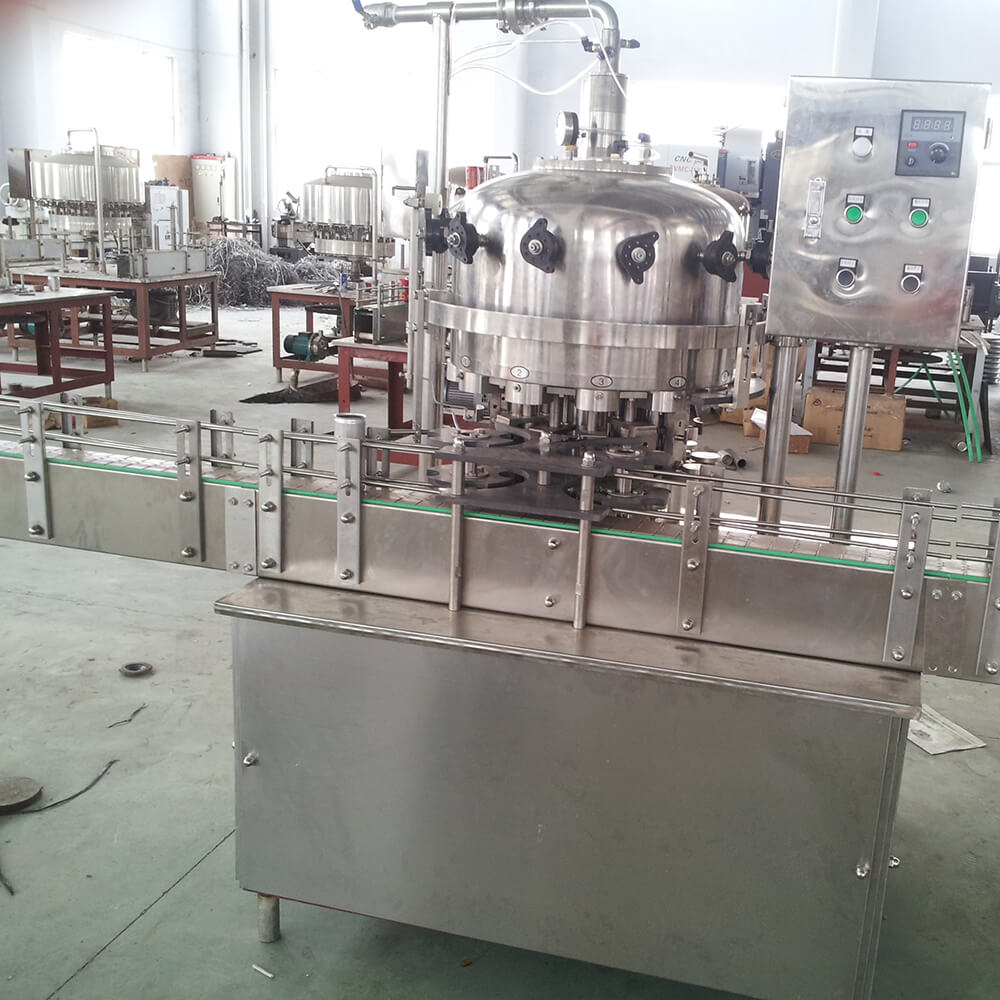
1. Why Foam Forms During Carbonated Beverage Filling
CO₂ and Pressure Changes
CO₂ dissolves in beverages under pressure. When temperature rises or pressure drops suddenly, dissolved gas escapes, creating bubbles and excess foam. Stable temperature and pressure help retain carbonation during filling.
Flow and Equipment Issues
Foam can also form when beverage flow is unstable or the liquid splashes during filling. Faulty filling valves may disrupt liquid flow, while residue inside bottles or cans can also contribute to foaming. Therefore, foam problems may be related to container preparation and equipment conditions.
Production Impact
Excess foam can cause:
Overflow and product waste.
Inaccurate fill levels and delayed capping.
More frequent cleaning and reduced output.
A stable carbonated beverage filling line requires coordinated temperature, pressure, liquid flow, and equipment conditions.
Cause | Common sign | Impact |
Pressure drop | Excess bubbles | CO₂ loss |
Turbulent flow | Heavy foam | Unstable filling |
Valve issues | Uneven filling | Production delays |
2. Stabilize Temperature and Pressure
Control Temperature
Keep the beverage cool and maintain a stable temperature from the carbonator to the filler. Check temperature changes in tanks and transfer pipes, as warming can cause CO₂ to escape.
Match Carbonation and Pressure
Adjust filling conditions according to CO₂ content, beverage formulation, container type, and production requirements. Higher carbonation levels generally require more careful pressure control.
Use Isobaric Filling
Isobaric filling balances container pressure with the filling system before liquid enters. This helps reduce sudden CO₂ release and excessive foaming. A suitable CSD filling and canning machine should maintain stable pressure throughout filling.
Check Pressure Stability
Inspect the CO₂ supply, filler bowl pressure, seals, and filling valves. Pressure fluctuations can cause uneven foaming across filling heads.
Check | Purpose |
Temperature | Limit CO₂ loss |
Pressure | Reduce sudden gas release |
Valves and seals | Maintain stable filling |
3. Optimize Filling Flow and Speed
Reduce Turbulence
Stable liquid flow helps limit splashing and foam. Check pumps, pipe bends, and changes in pipe diameter for unnecessary turbulence.
Check Valves and Nozzles
Filling nozzles and valve timing affect how smoothly beverages enter containers. Where the equipment allows, bottom-up or wall-guided filling can reduce splashing. Inspect seals and vent passages regularly.
Balance Line Speed
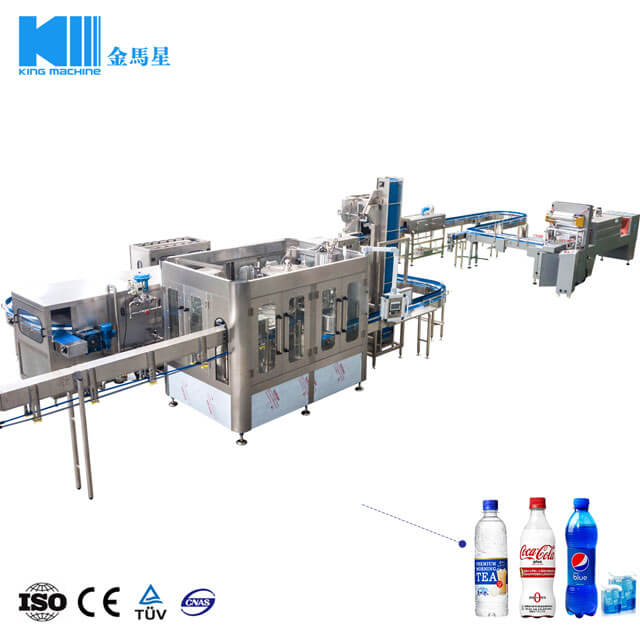
Match filling speed with carbonation levels and container design. A carbonated beverage packaging line also needs coordinated filling, capping, and downstream handling to avoid unnecessary delays.
Symptom | Possible cause | Check |
Foam at all heads | Shared pressure or temperature issue | Supply and system settings |
Foam at a few heads | Blocked nozzle or faulty valve | Clean and inspect components |
Foam at high speed | Excessive turbulence | Adjust flow and line speed |
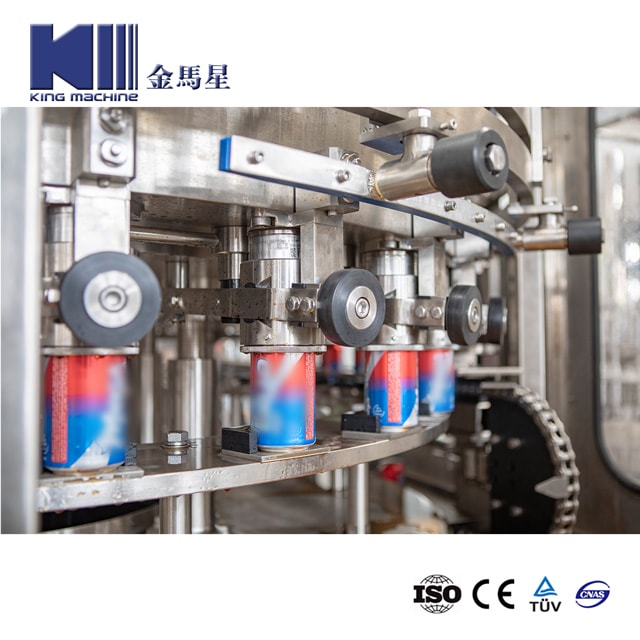
4. Check Containers and Hygiene
Inspect Containers
Dust, oil, product residue, and cleaning-agent traces can affect foaming. Check each container type according to its handling requirements.
Check Sealing and Cleaning
Prompt sealing helps retain carbonation after filling. Inspect caps, can seams, and sealing equipment, and verify that CIP and rinsing procedures remove product and cleaning residues.
Check area | What to inspect | Why it matters |
Containers | Cleanliness, temperature, defects | Reduce contamination and foaming risks |
Sealing | Cap fit or can seam integrity | Limit CO₂ loss |
CIP and rinsing | Cleaning parameters and residue | Prevent unwanted foaming |
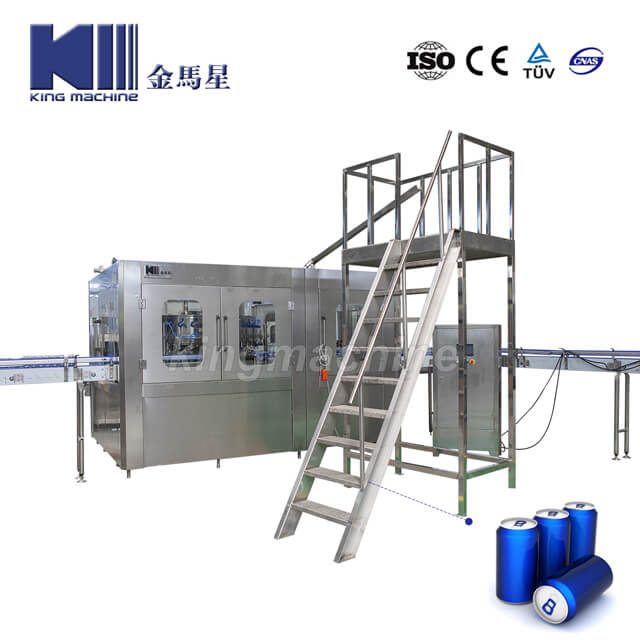
For a carbonated can filling machine, container handling and seaming must suit the can format. PET and glass bottle lines require their own container-specific checks.
5. Monitor and Troubleshoot Foam
Monitor Key Parameters
A carbonated beverage filling machine should be checked for pressure, temperature, flow, and fill-level variations. Where available, sensors, PLCs, and HMIs help operators identify abnormal readings.
Follow a Checklist
Before production: Check carbonation, temperature, pressure, containers, and valves.
During production: Monitor foam, fill levels, line speed, and capping synchronization.
After production: Inspect nozzles, valves, seals, and CIP rinsing.
Record Recurring Issues
Log the affected filling heads, operating conditions, and maintenance actions. Comparing records helps distinguish system-wide pressure problems from faults affecting individual valves.
Symptom | First check |
Foam across all heads | Shared pressure and temperature |
Foam at one head | Valve and nozzle condition |
Changing fill levels | Flow, speed, and pressure |
Use these records to guide adjustments and prevent recurring problems.
6. Choose the Right Filling Solution
Match Production Needs
Consider output capacity, carbonation level, container size, filling accuracy, and changeover requirements. Do not select equipment based on rated speed alone. Actual performance depends on the whole production process.
Integrate the Line
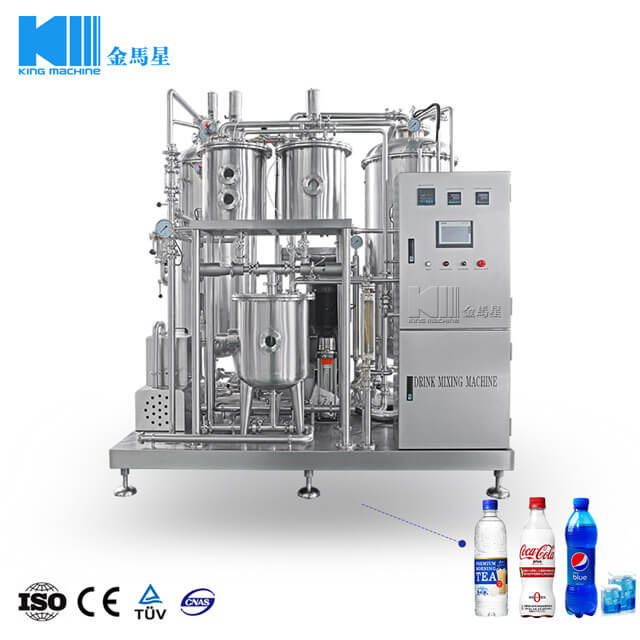
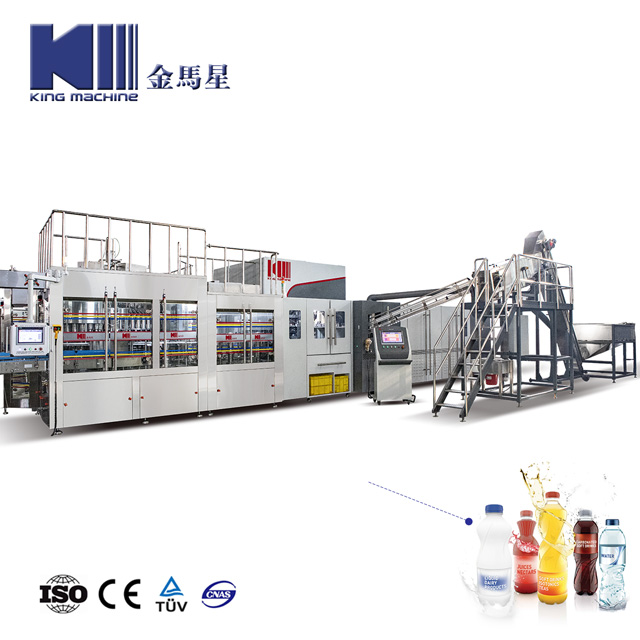
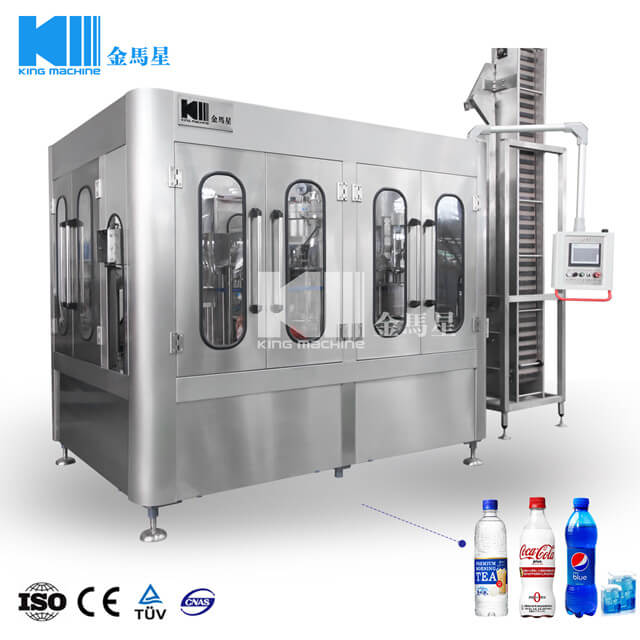
Coordinate carbonation, cooling, filling, capping or seaming, conveying, and packaging. A carbonated beverage Combiblock can integrate bottle blowing, filling, and capping when the system is designed for these functions.
Evaluate Long-Term Costs
Before choosing a solution, assess:
Maintenance needs and spare parts availability.
Installation guidance and operator training.
After-sales support and operating costs.
The right system should suit current production needs while allowing practical, cost-effective operation over time.
Conclusion
Controlling foam during carbonated beverage filling requires stable temperature and pressure to retain CO₂, smooth liquid flow, properly maintained filling valves, suitable production speeds, clean containers, and effective hygiene management. Monitoring these factors across the production line helps improve fill-level consistency, reduce product waste, and maintain efficient operation.
Choosing the right equipment means evaluating filling technology, line integration, maintenance requirements, and long-term operating costs. King Machine provides beverage filling equipment and integrated line solutions for different production needs. Contact our team to discuss your beverage, container specifications, and capacity requirements and find a suitable filling solution.