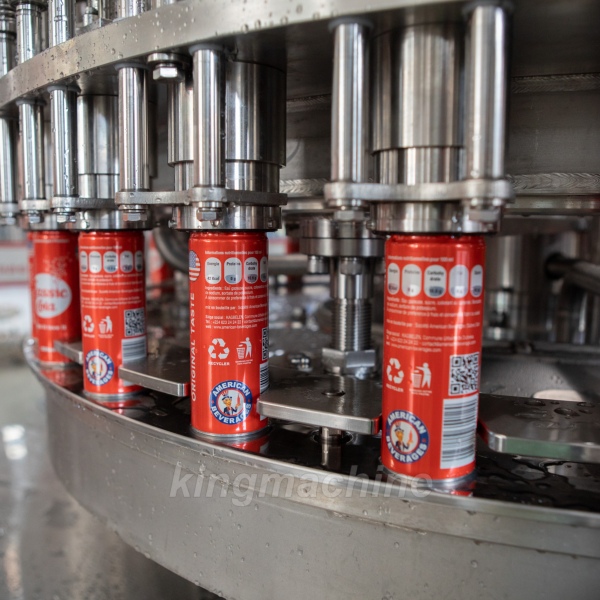
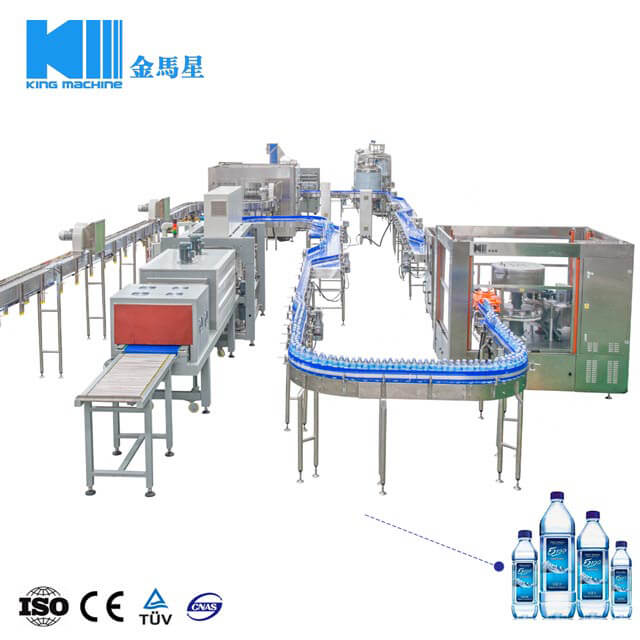
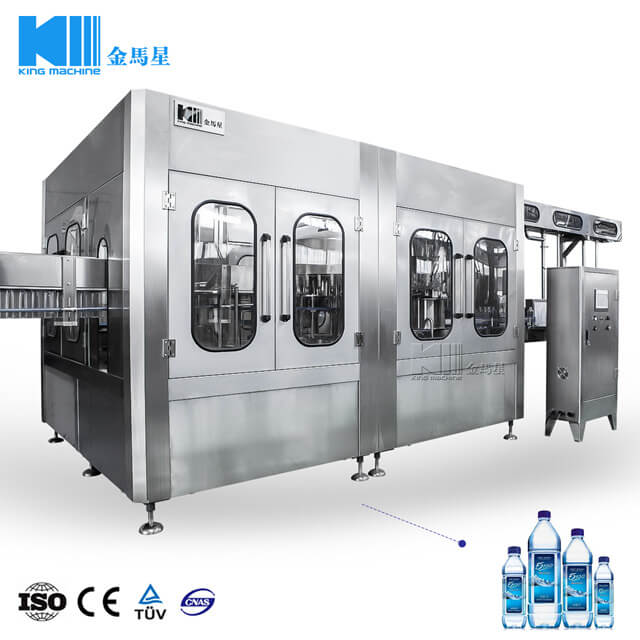
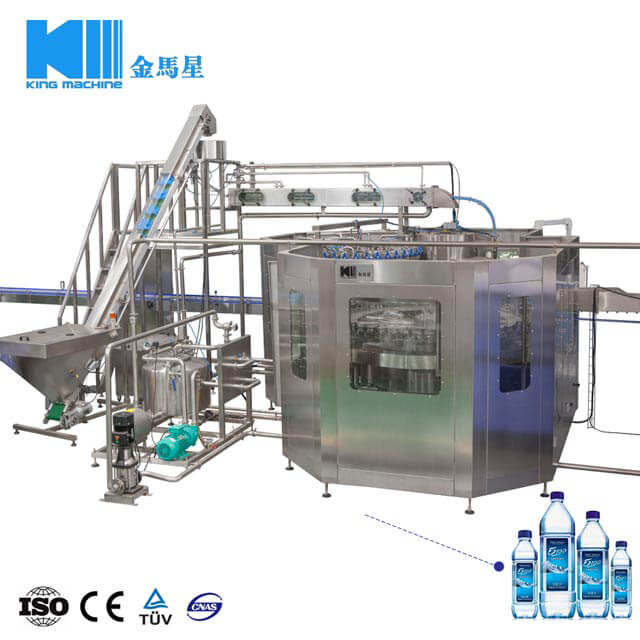
Water filling machines play an essential role in bottled water production by automating the filling process, improving production efficiency, ensuring accurate filling volumes, and maintaining product hygiene. With reliable filling equipment, manufacturers can achieve stable output and consistent product quality.
However, during long-term operation, water filling machines may experience problems such as filling errors, bottle jams, leakage, sensor failures, and unexpected downtime. These issues can result in production delays, product waste, and increased maintenance costs.
Understanding common water filling machine problems and solutions helps manufacturers reduce downtime and maintain stable production. This article discusses typical problems, their possible causes, and practical solutions to improve equipment reliability and production performance.
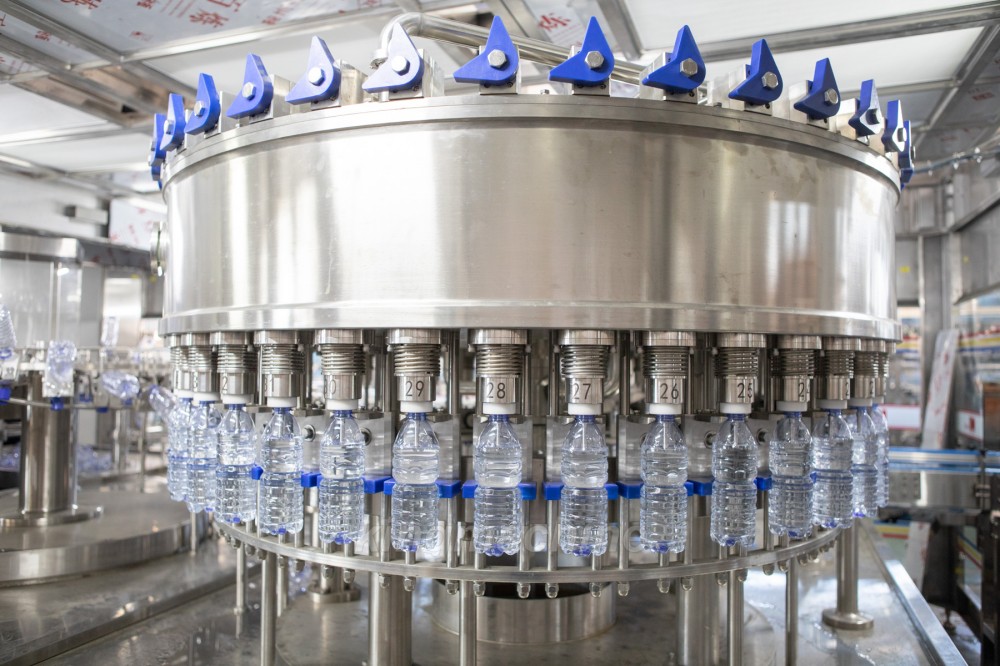
1. Why Water Filling Machine Troubleshooting Matters?
Timely troubleshooting plays an important role in maintaining efficient bottled water production. When equipment problems occur, unexpected downtime can reduce output, delay orders, and affect overall production schedules.
Water bottle filling machine issues can also impact product quality. Incorrect filling volumes, leakage, or unstable operation may lead to packaging problems and increased product waste. Regular inspections help identify potential failures before they affect production.
In addition, preventive maintenance reduces component wear and extends machine service life. By combining regular maintenance with effective troubleshooting, manufacturers can ensure continuous beverage production and improve long-term equipment reliability.
2. Common Water Filling Machine Problems and Solutions
2.1 Inconsistent Filling Levels
Inaccurate filling volume is one of the most common water bottling machine problems, causing overfilled, underfilled, or inconsistent bottles. Possible causes include incorrect calibration, worn filling valves, blocked nozzles, or unstable pressure. Regular calibration, valve inspection, nozzle cleaning, and pressure adjustment can improve filling accuracy and reduce product waste.
2.2 Dripping or Leaking Filling Nozzles
Leaking nozzles may result in product waste, equipment contamination, and additional cleaning work. This issue is usually caused by damaged seals, worn valve components, or improper nozzle adjustment. Replacing seals, cleaning valves, and checking nozzle alignment can help ensure reliable filling performance.
2.3 Bottle Jamming on Conveyor System
Bottle jams can interrupt production and reduce line efficiency. Common causes include misaligned guide rails, incorrect conveyor speed, or bottle size differences. Adjusting conveyor settings, checking bottle positioning, and maintaining proper alignment can reduce downtime and improve production stability.
2.4 Foaming and Overflow During Filling
Foaming affects filling accuracy and packaging appearance, especially for mineral water and carbonated beverages. It may be caused by excessive filling speed, improper filling methods, or temperature changes. Optimizing filling parameters and selecting suitable filling technology can minimize overflow and improve product quality.
2.5 Machine Cannot Start or Stops Suddenly
Unexpected shutdowns may occur due to power issues, emergency stops, sensor failures, or PLC alarms. Checking electrical connections, control systems, sensors, and safety devices helps operators quickly identify problems and restore production.
2.6 Sensor Detection Errors
Sensors control bottle positioning, filling timing, and production safety. Dust, incorrect positioning, or electrical interference may affect detection accuracy. Regular cleaning, sensor adjustment, and wiring inspection help maintain stable operation.
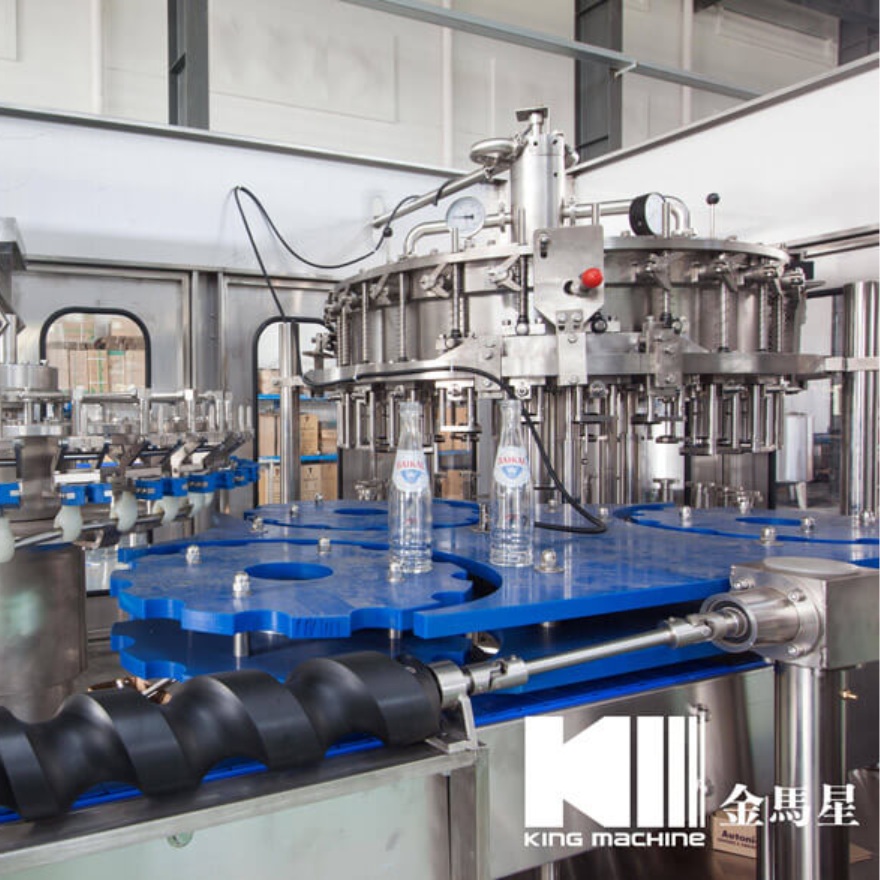
2.7 Loose or Incorrect Bottle Caps
Improper capping may cause loose caps, leakage, or poor sealing. Common causes include incorrect torque settings, cap feeding issues, or bottle neck deformation. Adjusting capping torque and checking cap supply systems can improve sealing reliability.
2.8 Poor Cleaning and Hygiene Performance
Strict hygiene control is essential in water production. Residue buildup or insufficient cleaning may create contamination risks. Regular CIP cleaning, food-grade materials, and preventive maintenance help ensure safe and hygienic production.
3. Practical Maintenance Tips for Water Filling Machines
Regular maintenance is essential to prevent unexpected failures and keep water filling machines running efficiently.
Regular Inspection: Check key components such as filling valves, sensors, conveyors, and electrical parts to identify potential issues early.
Preventive Maintenance: Perform regular lubrication, cleaning, and spare parts replacement to reduce component wear and extend equipment life.
Operator Training: Train operators on correct machine operation, basic troubleshooting methods, and safety procedures to improve daily management.
Preventive maintenance reduces unexpected downtime, improves equipment reliability, and ensures stable beverage production.
4. How to Reduce Water Filling Machine Downtime?
Reducing downtime requires reliable equipment, effective management, and professional support. Choosing a water filling machine with a stable structure, high-quality components, and advanced control systems helps improve operational reliability.
Optimize Production Management: Regular maintenance, production monitoring, and data analysis help identify potential issues and maintain stable performance.
Work with Experienced Manufacturers: Professional suppliers can provide technical support, installation services, and spare parts supply to ensure quick problem resolution and long-term equipment operation.
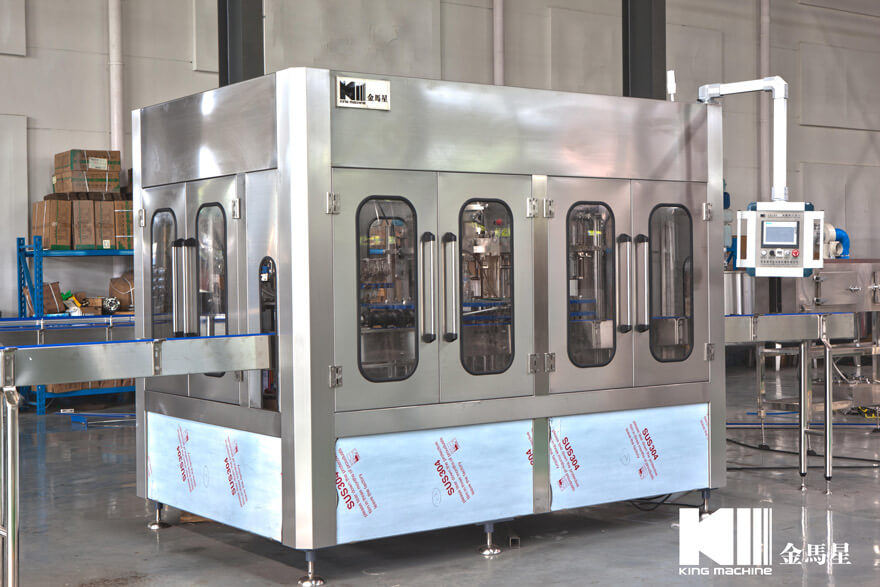
5. How to Choose a Reliable Water Filling Machine?
Choosing the right water bottle filler requires careful evaluation of equipment quality, manufacturer experience, and technical support. Reliable equipment should feature a stable structure, high-quality components, and advanced control systems to ensure long-term operation.
Manufacturers with extensive industry experience can provide customized solutions, complete beverage production lines, and professional engineering support. In addition, installation guidance, spare parts availability, and after-sales service are essential factors that help reduce downtime and improve production reliability.
6. Conclusion
Water filling machine problems such as inconsistent filling, bottle jams, leakage, and sensor failures can affect production efficiency and product quality. Through proper troubleshooting and preventive maintenance, manufacturers can reduce downtime, improve equipment reliability, and maintain stable operations.
Choosing reliable beverage production equipment is essential for long-term success. King Machine provides advanced water filling machines and complete beverage production solutions with professional engineering support. Contact us today to discuss a customized solution for your production needs.