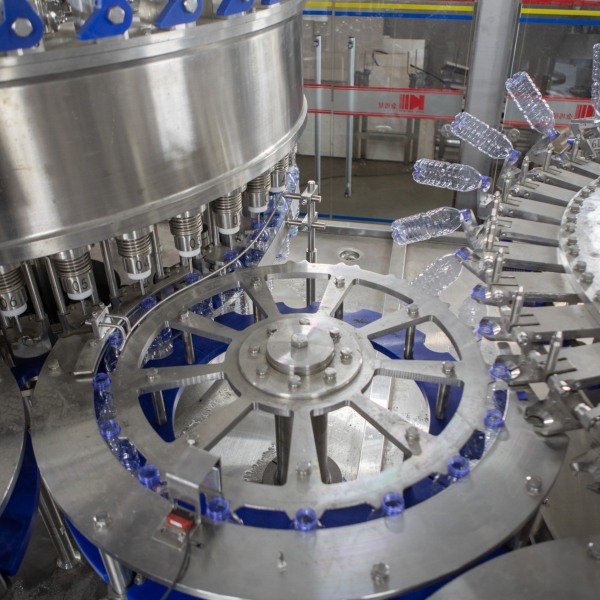
Bottle filling machines are essential components of any modern water bottling line, directly influencing filling accuracy, production efficiency, and long-term operating costs. In bottled water production, two commonly adopted technologies are gravity filling machines and flowmeter filling machines.
While both solutions are widely used in water filling applications, they differ significantly in process control methods, achievable accuracy, and suitability for different production scales. Selecting the right filling machine technology is critical for improving production stability and maximizing return on investment.
This article compares these two filling methods to help manufacturers identify the most suitable solution for their water bottling line.
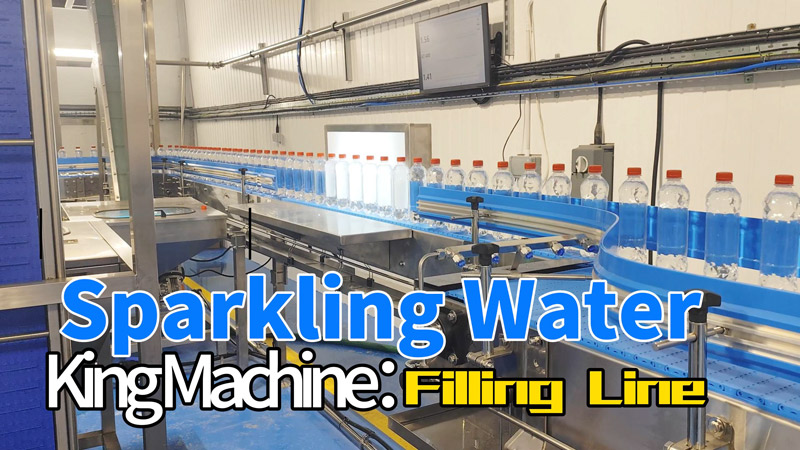
1. What Is a Gravity Filling Machine?
A gravity filling machine is a water filling equipment that uses natural liquid flow to fill bottles. It is commonly used in standard bottled water production where cost efficiency is more important than high precision.
Working Principle : Water is stored in a balance tank and flows into bottles through filling valves under gravity. No external pressure is required, making the process simple and stable.
Key Features : Simple structure, low investment cost, and easy maintenance. It requires minimal operator training and offers stable performance for basic production needs.
Typical Applications : Suitable for still drinking water, standard bottled water, and medium- to low-speed filling lines.
2. What Is a Flow Meter Filling Machine?
A flowmeter based filling machine is an advanced water filling equipment that uses precise measurement technology to control filling volume. It is widely used in modern bottling plants that require high accuracy and automation.
Working Principle : Flow meter filling machines use electromagnetic or mass flow meters to measure and control the exact volume of liquid. Each bottle is filled based on real-time flow measurement rather than liquid level.
Key Features : High filling accuracy, stable performance, and a high level of automation. It ensures consistent filling results and reduces product waste.
Typical Applications : Suitable for premium bottled water, functional water products, and high-speed automated filling lines.
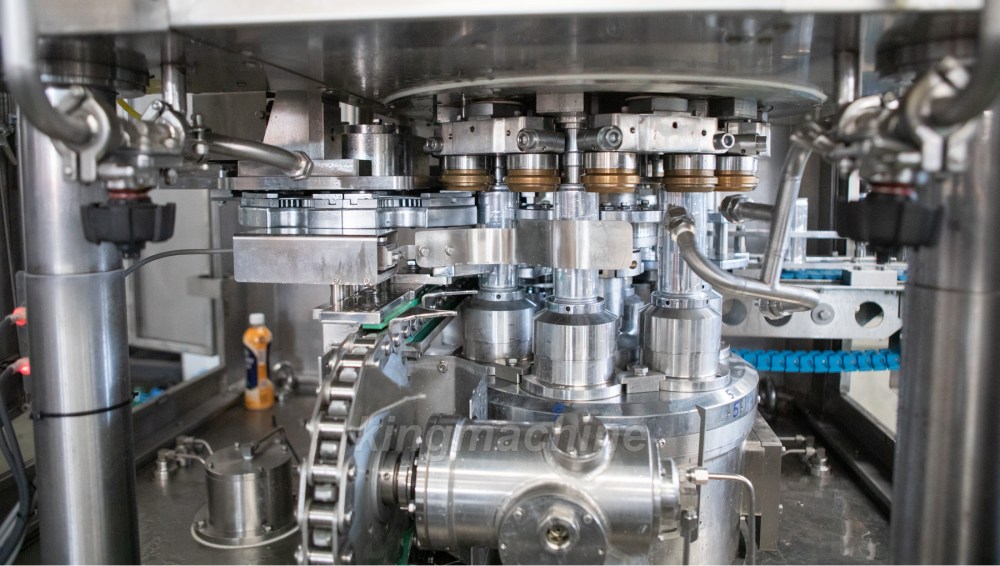
3. Gravity Filling vs Flow Meter Filling
Gravity filling machines and flow meter filling machines differ mainly in control method, accuracy level, and overall system capability. The following comparison highlights their key differences in practical production use.
Item | Gravity Filling Machine | Flow Meter Filling Machine |
Filling Accuracy | Lower | Higher |
Equipment Cost | Lower | Higher |
Production Speed | Medium | High |
Maintenance | Simple | More complex |
Hygiene Control | Standard | Better |
Automation Level | Basic | Advanced |
Gravity filling is more cost-focused with a simpler mechanical structure, while flow meter filling emphasizes higher precision and automation. Gravity systems suit standard production, whereas flow meter systems are better for high-end automated applications. Each filling machine type serves different production strategies.
4. Which Filling Machine Is Better for Water Bottling?
When to Choose Gravity Filling Machine
Gravity filling machines are suitable for manufacturers with limited investment budgets, standard bottled water production, and small to medium-sized water plants. They are a practical choice for stable, cost-efficient operations where high-speed output and ultra-precise filling are not critical requirements.
When to Choose Flow Meter Filling Machine
Flow meter filling machines are ideal for premium bottled water brands, large-scale production lines, and applications that require high filling accuracy and advanced automation. They are better suited for manufacturers focusing on consistent product quality, higher efficiency, and long-term production stability.
5. Selection Guide for Water Filling Machine Plants
Production Capacity
Small-scale plants usually prefer cost-efficient filling machine solutions with simpler configurations and lower investment requirements, making them suitable for early-stage or limited-output production. Large-scale plants, however, require high-efficiency filling systems that can support continuous operation, higher output, and stable long-term performance.
Product Positioning
For standard drinking water, gravity filling machines are commonly used due to their cost advantage and stable basic performance. In contrast, high-end bottled water production often requires flow meter filling machines to ensure higher accuracy, better consistency, and stronger brand quality control.
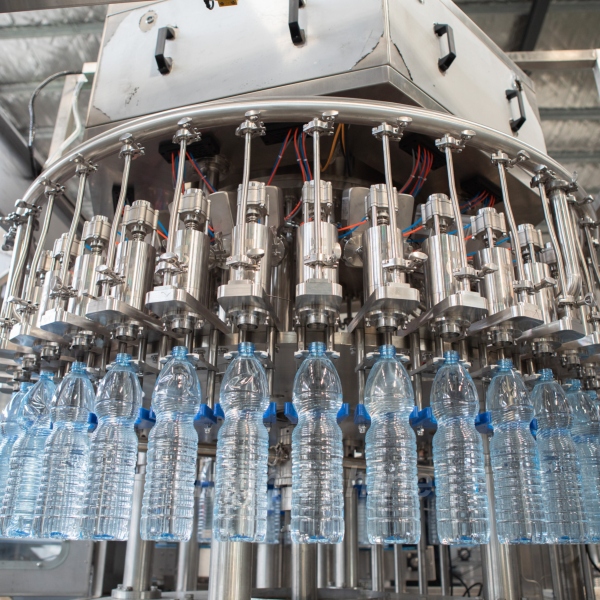
Budget Planning
When the initial investment budget is limited, gravity filling machines offer a more economical solution with lower equipment and maintenance costs. For companies planning long-term development, flow meter filling machines are often preferred due to their higher efficiency, precision, and better return on investment over time.
Automation Level
Basic production lines generally rely on gravity systems with simpler operation and control requirements. In comparison, highly automated factories tend to adopt flow meter filling systems to achieve more precise control, improved efficiency, and better integration with modern production management systems.
6. Conclusion
Both filling machine technologies have their own advantages, and there is no universal “best” option for all water bottling applications. The key is to select the right filling system based on specific production requirements and long-term operational goals.
Manufacturers should carefully evaluate factors such as cost, production capacity, filling accuracy, and automation level before making a decision. A well-matched filling machine solution can significantly improve efficiency, product quality, and overall return on investment.
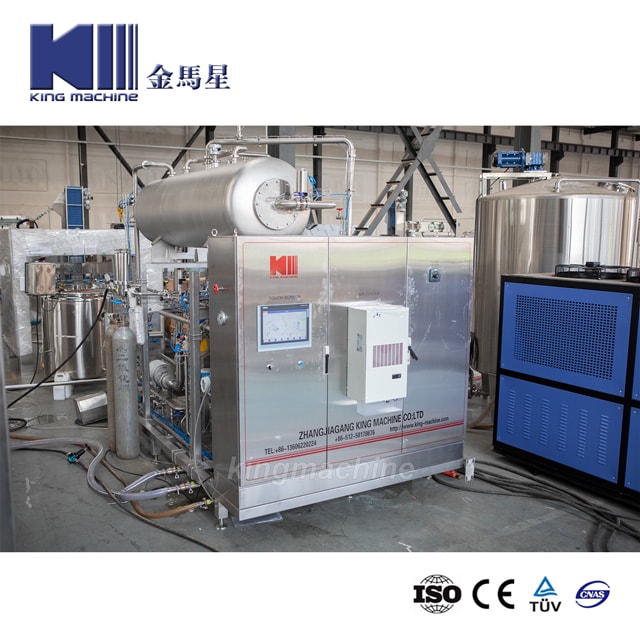
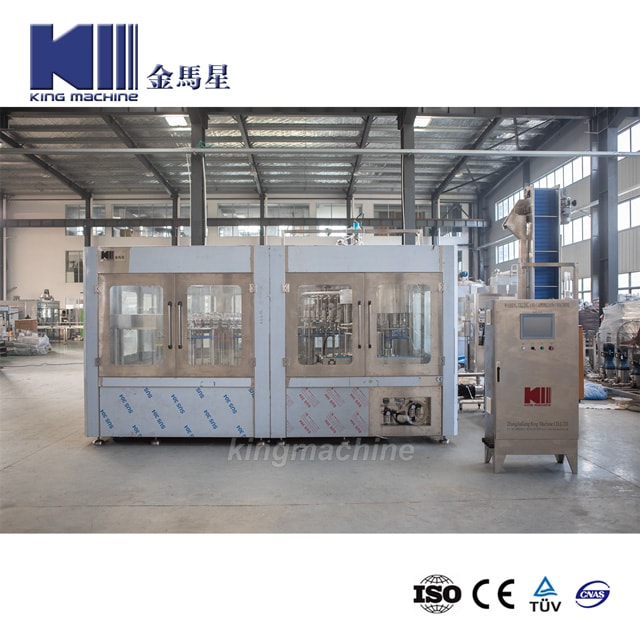
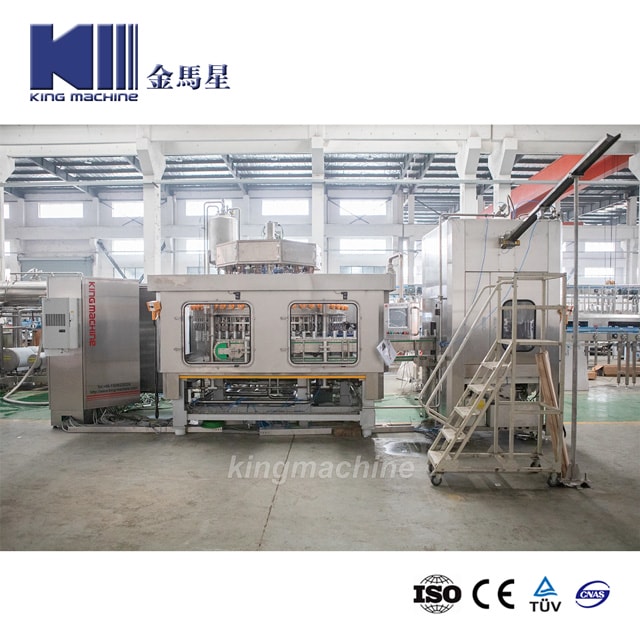
King Machine provides professional water filling machine solutions focused on flow meter filling technology and complete bottling line integration. These systems are designed to meet different production capacities and automation requirements, helping manufacturers achieve stable operation, higher efficiency, and reliable long-term performance.