Carbonated drinks are known for their refreshing fizz, but preserving that sensation during production requires careful control over filling and sealing. Excessive foaming, inaccurate fill levels, or carbon dioxide (CO₂) loss can affect product consistency and packaging quality. The filling stage therefore plays a key role in delivering beverages that meet quality expectations.
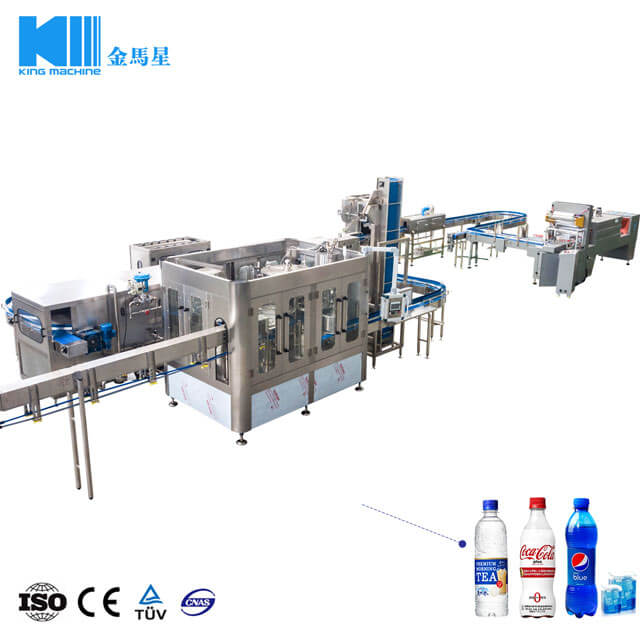
A carbonated drink filling machine is designed to fill beverages under controlled pressure, helping retain dissolved CO₂ and reduce foaming before containers are sealed. As part of a complete carbonated beverage production line, it must work efficiently with beverage preparation, container handling, capping, and downstream packaging equipment.
This article explains what a carbonated drink filling machine is, how it works, the main equipment types available, and the key factors to consider when choosing a suitable filling solution.
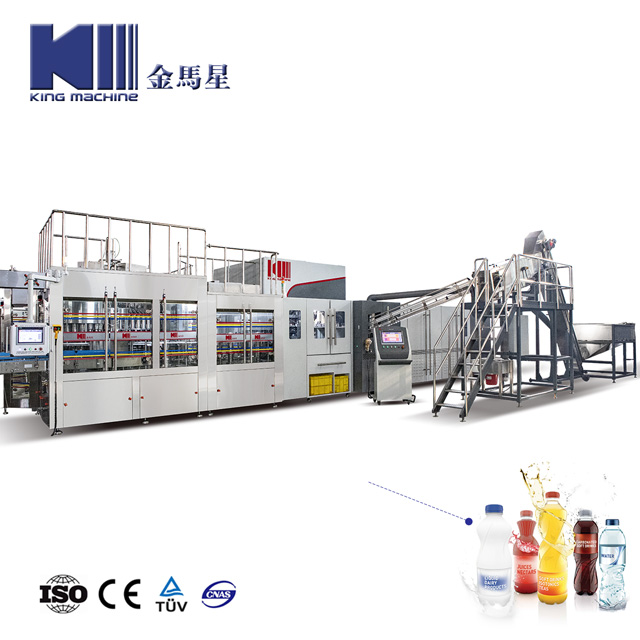
1. What Is a Carbonated Drink Filling Machine?
A carbonated drink filling machine fills beverages containing dissolved CO₂ into containers while controlling pressure and liquid flow. Its main goals are to maintain filling accuracy, limit foaming, and preserve carbonation. As a key part of a carbonated beverage filling line, it works alongside capping equipment to help maintain product quality.
How It Differs from Standard Fillers
Unlike standard filling machines, which often use gravity or atmospheric-pressure methods, carbonated drink fillers commonly use isobaric filling. This process balances pressure between the beverage tank and container, reducing CO₂ loss and excessive foaming during filling.
Beverages and Containers
These machines handle products such as cola, soda, and sparkling water. Container requirements vary by format:
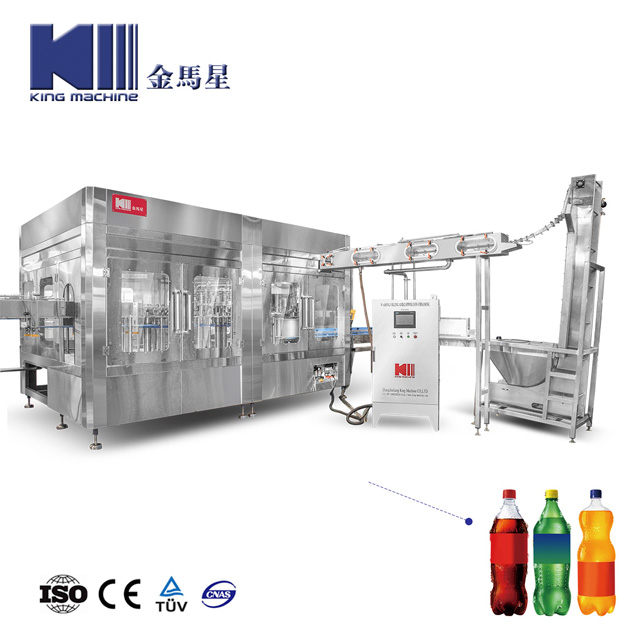
PET bottles: Lightweight and widely used for soft drinks.
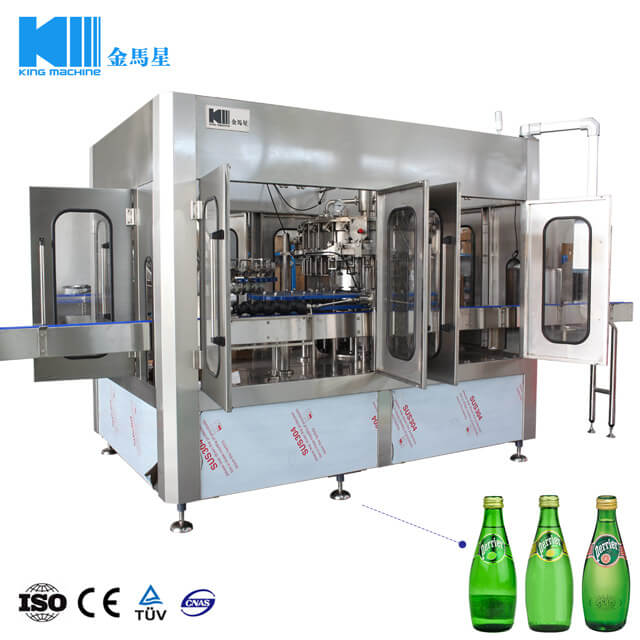
Glass bottles: Require suitable handling and capping systems.
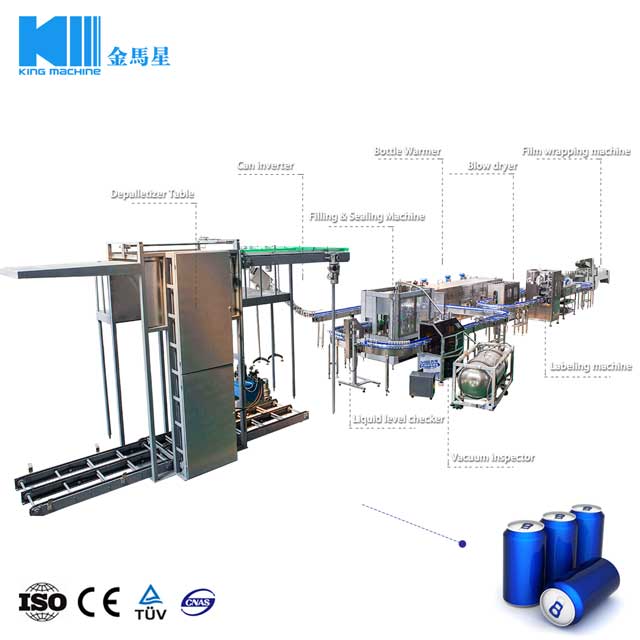
Aluminum cans: Need compatible filling valves and seaming equipment.
2. How a Carbonated Drink Filling Machine Works
Beverage and Container Preparation
The beverage is mixed, carbonated, and cooled before filling. Lower temperatures help retain dissolved CO₂ and reduce foaming. Empty containers are fed into the machine and rinsed when required.
Pressure Balancing and Filling
In isobaric filling, pressure inside the container is balanced with the filling tank before the beverage enters. This reduces sudden pressure changes, helping limit foam formation and CO₂ loss.
Capping and Sealing
After filling, containers are sealed promptly to preserve carbonation and prevent leakage. Filling and capping speeds must remain synchronized to maintain a steady production flow.
Inspection and Packaging
Filled containers undergo checks for liquid level and closure quality. Defective products can be rejected before moving through conveyors to labeling and secondary packaging equipment, completing the carbonated beverage packaging line.
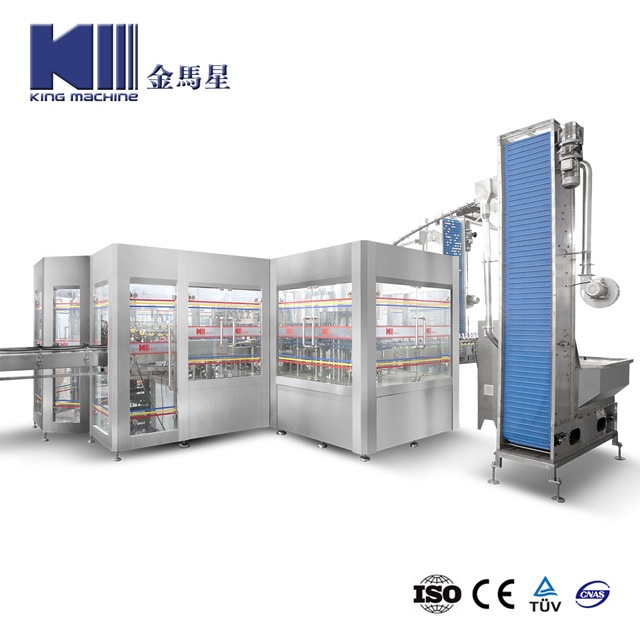
3. Main Types of Carbonated Drink Filling Machines
Pressure and Isobaric Filling
Pressure-based filling is widely used for carbonated drinks because it helps retain dissolved CO₂ and control foaming. The right system depends on the beverage's carbonation level, container type, and production requirements.
Machine Types Compared
Machine Type | Main Features | Typical Application |
Pressure / Isobaric Filler | Balances pressure to limit CO₂ loss | Carbonated soft drinks and sparkling water |
Monoblock 3-in-1 | Integrates rinsing, filling, and capping | Bottled carbonated beverages |
Carbonated Can Filler | Works with can filling and seaming equipment | Cola, soda, and other canned drinks |
Bottles vs. Cans
Bottle and can systems differ in container handling and closure methods. Bottles typically use caps, while cans require seaming to form a secure seal. A carbonated can filling machine must therefore match the can dimensions, filling requirements, and seaming system rather than simply replace a bottle filler.
4. Choosing the Right Carbonated Drink Filling Machine
Capacity and Accuracy
Match the machine's output to hourly production targets and shift schedules. Consistent fill levels and stable operation are as important as rated speed.
CO₂ Retention
Choose filling technology based on carbonation levels, beverage temperature, and pressure control. A suitable csd filling and canning machine should meet product requirements, not just capacity targets.
Containers and Line Layout
Check compatibility with container materials, sizes, and changeover needs. Ensure the filler integrates with upstream processing, capping or seaming, and downstream packaging equipment.
Hygiene and Maintenance
Consider cleaning procedures, hygienic design, automation, spare parts, and routine maintenance requirements.
Total Cost and Support
Compare purchase price, energy use, maintenance costs, and potential downtime. Confirm that the supplier can provide appropriate installation guidance, operator training, and after-sales support.
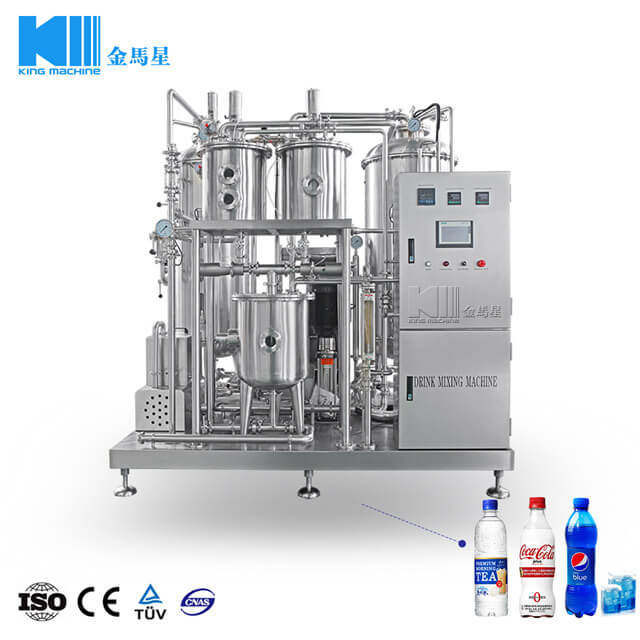
5. Carbonated Drink Filling Line Solutions
A complete carbonated beverage line coordinates carbonation, filling, capping, and downstream packaging. A carbonated beverage Combiblock can integrate bottle blowing, filling, and capping into one system when the selected configuration supports all three processes.
Equipment selection depends on production capacity, container specifications, factory layout, and automation needs. Buyers should also confirm available installation guidance, operator training, and after-sales support when evaluating a suitable filling solution.
Conclusion
Choosing the right carbonated beverage filling machine helps maintain pressure balance, retain CO₂, achieve consistent fill levels, and ensure reliable sealing. When evaluating a complete line, consider production capacity, beverage characteristics, container specifications, automation requirements, and long-term operating costs. Comparing carbonated beverage filling line suppliers also means assessing equipment compatibility, line integration, project experience, and technical support.
King Machine provides beverage filling equipment and integrated production line solutions for different manufacturing needs. Whether you are planning a new facility or upgrading existing equipment, the team can help assess your requirements and recommend a suitable configuration. Contact King Machine today to discuss your production goals and request tailored equipment recommendations.